Health & Fitness
Grant to Support Exploration of Neural Stem Cell Interactions
$250K in funding awarded to Rutgers Cancer Institute of New Jersey researchers

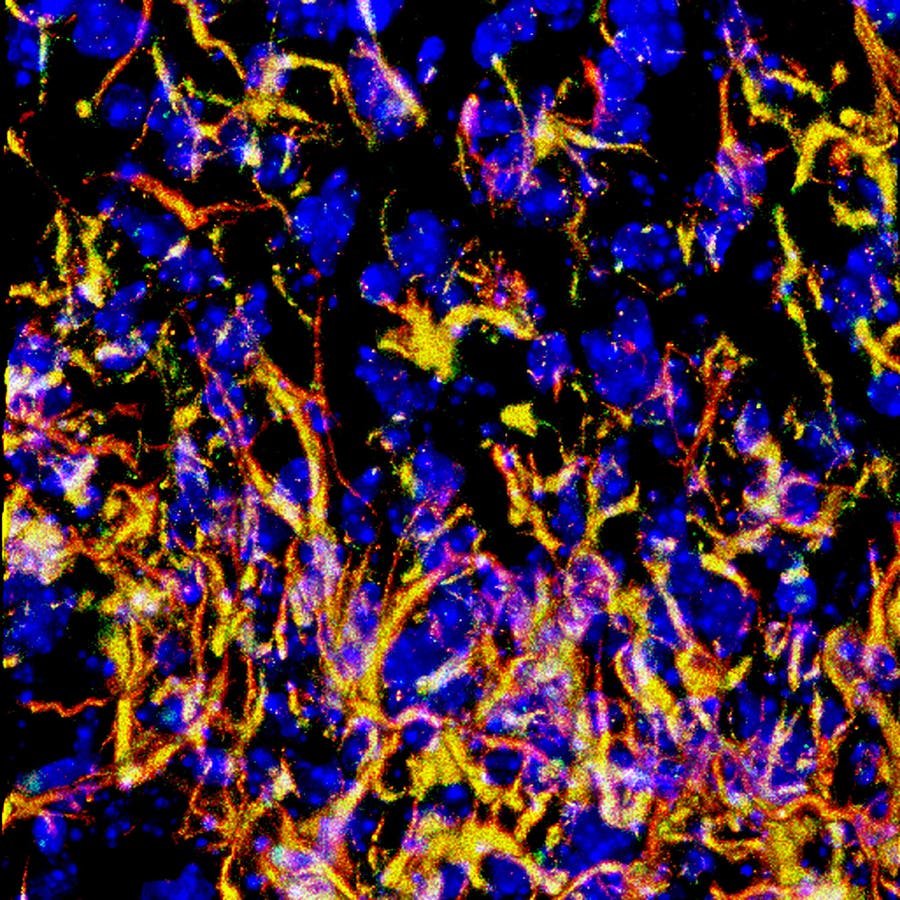
New Brunswick, N.J., July 31, 2018 – The joint laboratory of Wadih Arap, MD, PhD, director of Rutgers Cancer Institute of New Jersey at University Hospital and Renata Pasqualini, PhD, chief of the Division of Cancer Biology at Rutgers New Jersey Medical School and Rutgers Cancer Institute researcher, will benefit from a recently awarded $250,000 grant from the Gillson Longenbaugh Foundation. The funding will help expand the team’s research focused on two projects: exploring neural stem cell interactions and developing antibody therapeutics for cancer treatment.
The work builds on previous research supported by the Gillson Longenbaugh Foundation and – in part – focuses on searching for molecular signatures that are unique to normal or diseased cells and tissues. As part of the project, cells of the central nervous system will be studied. Neural stem cells are self-renewing cells that can multiply and potentially mature into cells with specialized functions. They originate in the central nervous system and can transform into neurons and various other cell types with specialized functions in the brain. “These cells might have functional roles in disorders of the central nervous system like cancer, Alzheimer’s, and other degenerative diseases. We believe there are proteins or protein complexes present within stem cells that can be targeted and used to regulate stem cell behavior,” say Drs. Arap and Pasqualini.
The second part of the project will utilize a novel screening process known as SPARTA (Selection of Phage-displayed Accessible Recombinant Targeted Antibodies) to generate antibodies ready for translation to medical applications. Some targets are expressed on cancer cells specifically, and Arap and Pasqualini will oversee the validation of antibodies against two well-established targets found in lung, breast, and prostate cancers.
Find out what's happening in New Brunswickfor free with the latest updates from Patch.
“Antibodies have been identified that bind these targets and enter the tumor cells. Now we will try to determine which clinical purpose each antibody might be best suited for. For example, some might be effective as anti-tumor agents as they are while others might be better suited to being attached to an imaging agent or drug to induce cell death,” note the investigators. “We are grateful to the Gillson Longenbaugh Foundation and its directors for their continued support of this very important work,” they add.
###