Neighbor News
How Jewish Authors Reinvented the American War Novel
Dr. Leah Garrett discusses her award-winning new book, "Young Lions," on March 9 at Rutgers.
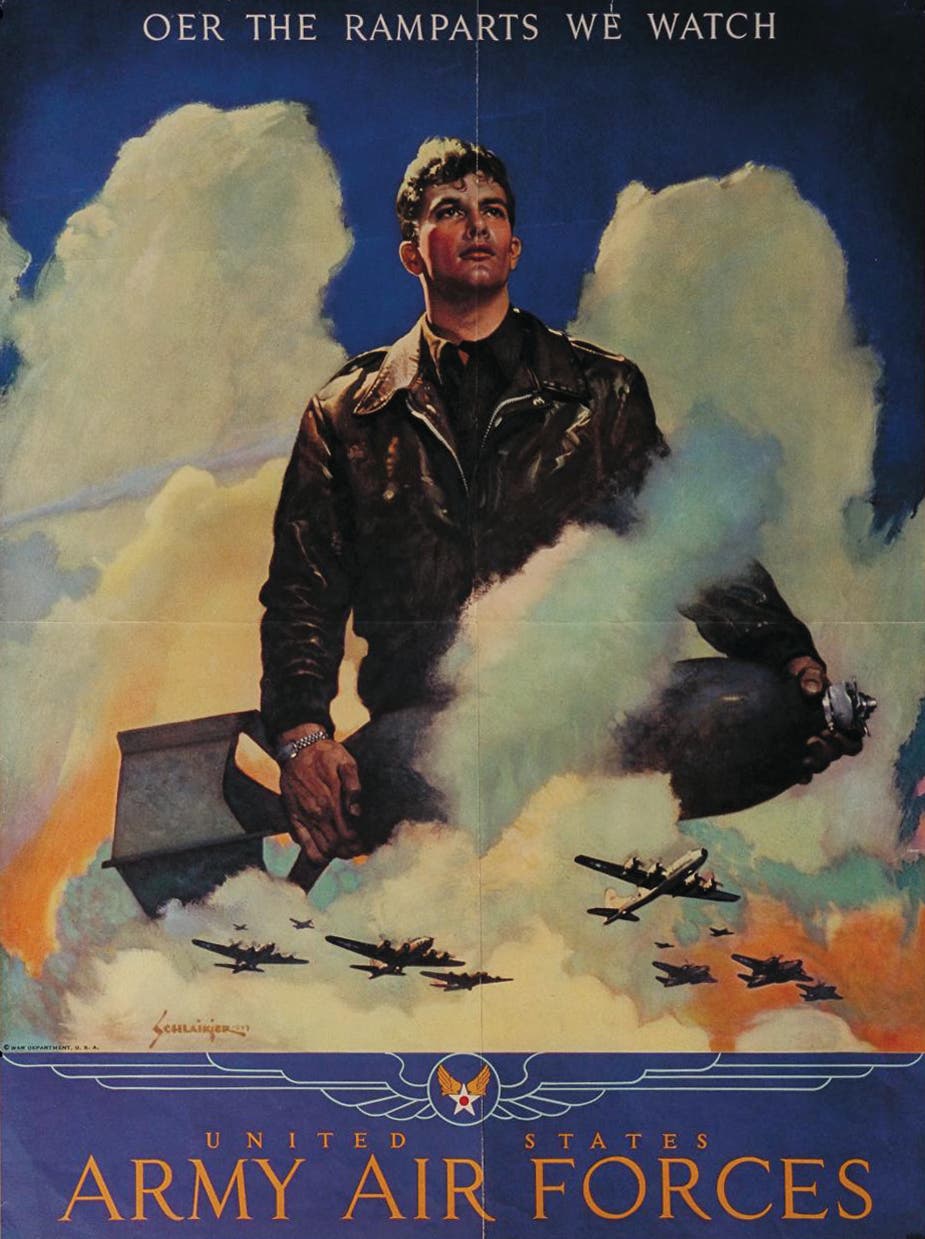
When Dr. Leah Garrett was growing up in New York, she often heard her male relatives talking about their military service in World War II. Later, she in turn became preoccupied with trying to understand the conflict’s broad impact on American Jews. Garrett, a literary historian, began researching popular novels about the war and soon came to the astounding conclusion that for the first time, Jewish literary figures represented what it meant to be both a solider and an American.
While perusing The New York Times bestseller list for 1948, Garrett discovered that five of the most popular titles – including Norman Mailer’s The Naked and the Dead and Irwin Shaw’s The Young Lions – were written by Jews and featured Jewish soldiers as their protagonists. That trend continued with the publication of Herman Wouk’s The Caine Mutiny in 1951 and Joseph Heller’s Catch-22 in 1961.
In contrast to most previous war fiction, the “Jewish” novels were often ironic, funny, and irreverent, and sought to teach the reading public broader lessons about liberalism, masculinity, and pluralism. Even non-Jewish authors often mimicked the tropes of Jewish writers when writing about the experience of the war. Clearly, the way Jewish Americans were writing about World War II, the Holocaust, and Jewish soldiers, was influencing American perspectives on all three.
Find out what's happening in New Brunswickfor free with the latest updates from Patch.
Young Lions: How Jewish Authors Reinvented the American War Novel (Northwestern University Press, 2015), Garrett’s latest book, pivots on this fascinating discovery. The book was a Finalist for the 2015 National Jewish Book Awards in the American Jewish Studies category.
Garrett points out that for Jewish soldiers, service in World War II became a transformative rite of passage. They enlisted at higher rates than other Americans and served bravely, and while anti-Semitism remained a current in the military, Jews were, in general, highly respected. Many non-Jewish soldiers had their first personal encounters with Jews in their platoons, helping to overturn widely held stereotypes that Jews were weaklings and shirkers. The war experience also enabled Jews to enter the American cultural mainstream, and propelled them from the working class into the middle class. With assistance from the GI Bill, they began moving out of ethnic urban enclaves into the suburbs and enrolled in college.
Find out what's happening in New Brunswickfor free with the latest updates from Patch.
A professor of Contemporary Jewish Life and Culture at Monash University in Australia, Garrett charts how bestselling books about Jewish soldiers spoke to the times, tapping into American cultural and political currents while driving home messages about what needed to change in this country. In his review of the book in the Wall Street Journal, David Margolick points out that these war novels “more than the works in any other medium, brought the catastrophe that had befallen European Jews into the American consciousness.”
“Much has been written about the significance of World War II in American culture, yet Garrett’s book adds a new perspective on the unique role of American Jewish fiction in shaping American public memory that contributes to our understanding of this process. Her talk will be of great interest to our faculty, students, and the community,” says Yael Zerubavel, director of the Allen and Joan Bildner Center for the Study of Jewish Life at Rutgers University, whose mission is to provide a public forum for new scholarship in Jewish Studies.
Dr. Garrett’s talk, “How Jewish Authors Reinvented the American War Novel,” will take place on Wednesday, March 9 at 7:30 p.m. at the Douglass Campus Center, located at 100 George Street in New Brunswick. It is free and open to the public. It is this year’s Abram Matlofsky Annual Lecture supported by the Karma Foundation, and is cosponsored by the Bildner Center, the Department of American Studies, and the Program in Comparative Literature. Free parking is available behind the Campus Center. (For GPS search, use “57 Lipman Drive”) Advance registration is requested by emailing csjlrsvp@rci.rutgers.edu or calling 848-932-2033. For more information, visit the website BildnerCenter.rutgers.edu.
The Allen and Joan Bildner Center for the Study of Jewish Life connects the university with the community through public lectures, symposia, Jewish communal initiatives, cultural events, and teacher training.