Health & Fitness
The LGBTQ+ Community is Disproportionately Burdened by Cancer
Discrimination based on gender identity and/or sexual orientation contributes to cancer disparities today

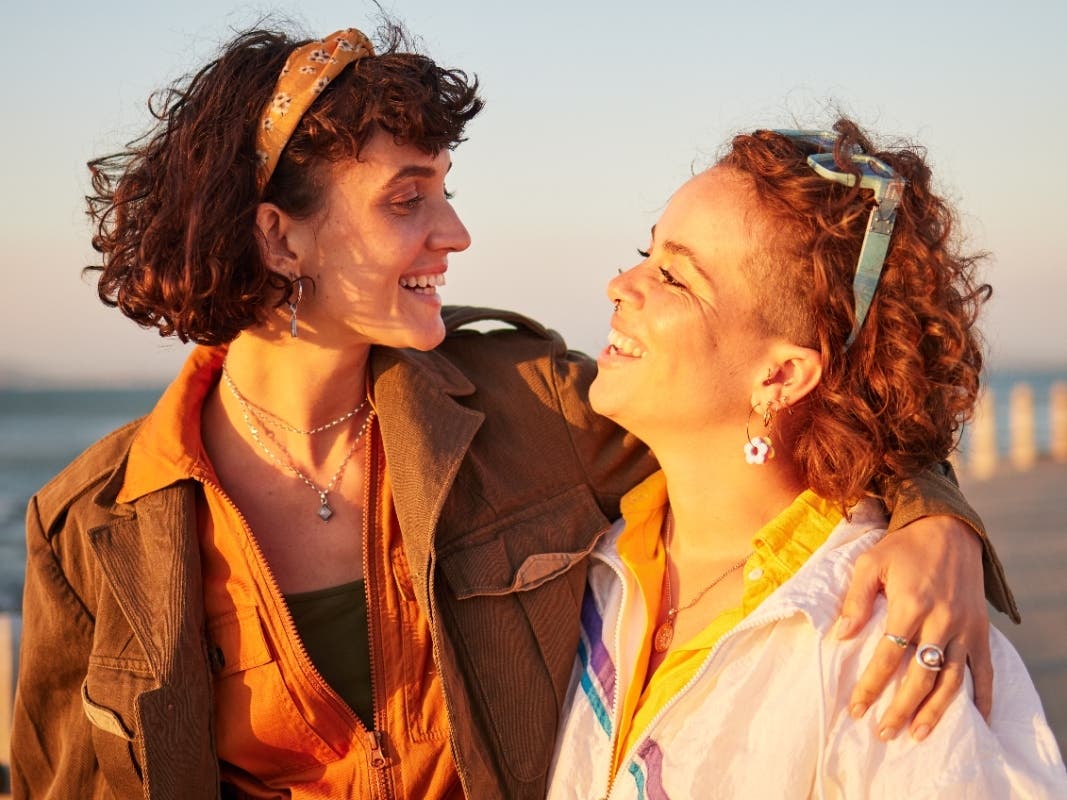
New Brunswick, N.J., June 1, 2024 –Cancer health disparities are differences in cancer burden experienced by members of marginalized communities. As such, discrimination based on gender identity and/or sexual orientation contributes to cancer disparities today.
What we know: While data about cancer among members of the LGBTQ+ community is somewhat limited, recent studies have found that members of this group may have an elevated rate of cancer diagnoses.
· Compared to heterosexual, cisgender people, LGBTQ+ people are more likely to be unemployed, uninsured, lack access to health care and delay health care—including care that’s critical to screen for and help prevent cancer.
Find out what's happening in New Brunswickfor free with the latest updates from Patch.
- ###liJAMA Dermatology, the odds of developing skin cancer are significantly higher in both gay men and bisexual men compared with heterosexual men.
- A study in Cancer found that bisexual women have significantly higher rates of cervical cancer compared with heterosexual women. ###liAmerican Association for Cancer Research, transgender men are more than twice as likely as cisgender men to be diagnosed with cancer.
- A study published in Journal of the National Cancer Institute indicates that transgender people may be diagnosed at later stages, be less likely to receive treatment, and have worse survival for several cancer types, compared to cisgender patients.
- According to the National LGBT Cancer Network, cigarette smoking among gay men is nearly double that of the general population. Smoking increases the risk for many cancers, including lung, mouth, throat, cervical, blood, bladder, esophagus, stomach, pancreatic and kidney cancers.
The challenge: According to the American Cancer Society, LGTBQ+ individuals may have worse health outcomes due to fear of discrimination, past negative healthcare experiences and lack of adequate insurance coverage. According to the National LGBT Cancer Network, because the LGBTQ+ population faces unique barriers when accessing any health care system, both preventative and essential care are affected, which can result in disparities in cancer risk and treatment.
Cancer care teams and communities can be better allies. Despite the barriers and disparities that many LGBTQ+ individuals with cancer face, education for medical professionals on the topic of healthcare and cancer is growing to support this community. Identifying and acknowledging disparities helps us work together to improve access to care and treatment and reduce cancer risks. Additional tips for clinicians whom deal with this population include:
Find out what's happening in New Brunswickfor free with the latest updates from Patch.
- Be willing to learn more about individuals who are LGBTQ+, their experiences and the issues they often face
Use terminology that is currently embraced by the LGBTQ+ community (i.e. inclusive and gender-neutral language)
- Confront your own prejudices and bias, even if it is uncomfortable to do so. Remember, you do not need to understand why an individual identifies the way they do to know they deserve to be treated with respect and consideration.
Rutgers Cancer Institute and RWJBarnabas Health facilities are inclusive environments with staff dedicated to serving the needs of the LGBTQ+ community. Learn more here: https://rwjbh.org/lgbtq
Joan Hogan, DSW, LCSW, OSW-C, manager of Social Work Services, Rosemarie Slirzewski, MSW, LCSW and Stephanie Fearse, MSW, LSW, social workers at Rutgers Cancer Institute, the state’s only NCI-designated Comprehensive Cancer Center and leading cancer program, specialize in LGBTQ+ equity.
For journalists – contact:
Krista Didzbalis
Corporate Communications Specialist
For patient appointments/inquiries – contact: