Health & Fitness
Rutgers Opens First-Ever Early Psychosis Intervention Clinic for Young Adults
The outpatient clinic is located in the Edison Metroplex and is for 15-to-35-year-old residents of Middlesex, Monmouth and Mercer counties.


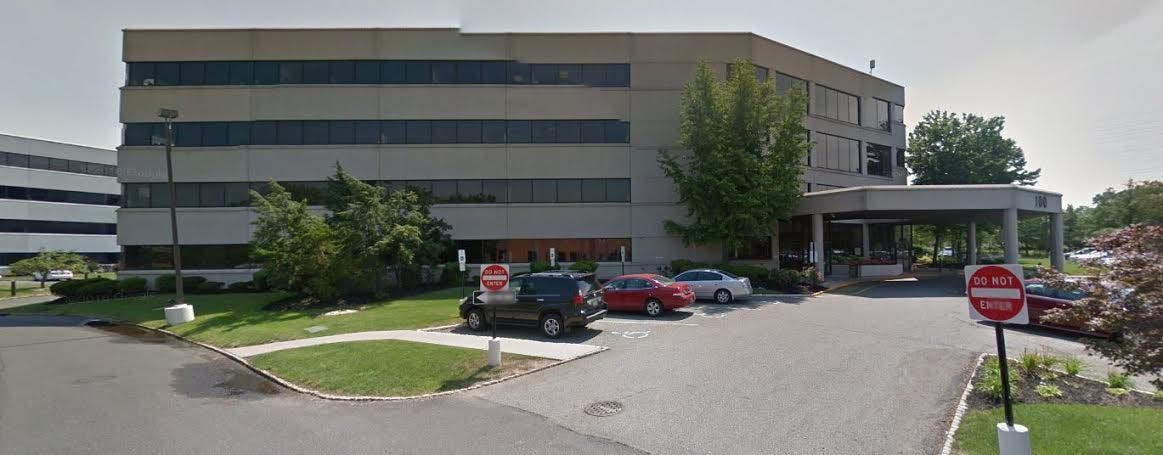
EDISON, NJ - Rutgers University Behavioral Health Care has opened a first-episode psychosis clinic to serve people aged 15 to 35.
The outpatient clinic is located in Edison, in the Edison Metroplex. It is meant to serve 15-to-35-year-old residents of Middlesex, Monmouth and Mercer counties. Psychosis – characterized by an impaired sense of reality – typically occurs between the ages of 18 and 28. First-episode symptoms appear gradually, often pushing people into state of denial: They know something is amiss but assume it is temporary, said clinic director Steven Silverstein. Troublesome signs include seeing or hearing things that no one else does, withdrawing from family and friends, having difficulty concentrating and experiencing a decline in self-care.
“They may not admit they have a diagnosis of a psychotic disorder, but they will admit that they are having experiences – like lack of concentration, poor grades or hearing voices – that are interfering with meeting their life goals,” Silverstein says. "Focusing on how recent changes are interfering with life goals, rather than on whether the person does or does not have a disorder such as schizophrenia, is an important part of motivating a young person to enter treatment."
Find out what's happening in New Brunswickfor free with the latest updates from Patch.

The clinic accepts patients who are within two years of the onset of psychotic symptoms, such as auditory hallucinations, severe paranoia or delusional ideas. Prior hospitalization is not required to qualify for treatment.
Two other clinics opened this month, one in Paramus and the other in Cherry Hill, both of which cater to people in their late teens and 20s.
Find out what's happening in New Brunswickfor free with the latest updates from Patch.
“There are big changes that happen in the brain from about two years before the onset of psychotic symptoms to three years after,” Silverstein explains. “This is why early identification of people in need of treatment, and provision of treatment as early as possible, are critical. Unfortunately, the average person with a first episode of psychosis currently can go 15 months or longer with symptoms before treatment is provided, leading to greater challenges in helping a person recover.”
Silverstein notes that most treatments for psychotic disorders are designed for those who have been living with these conditions for many years, which can be a deterrent to teens or 20-somethings in need of care. “Young people cannot identify with older adults who have been living on medication for decades and will often leave clinics,” he says. “In addition, these treatments do not address the specific concerns of people of this age group, such as finishing college, landing that first job and dating.”
The clinics are funded by a grant from the New Jersey Division of Mental Health and Addiction Services.
Get more local news delivered straight to your inbox. Sign up for free Patch newsletters and alerts.