Neighbor News
Steps toward Preventing Lung Cancer
November is Lung Cancer Awareness Month. As Rutgers Cancer Institute of New Jersey experts tell us, a healthy lifestyle can aid prevention.

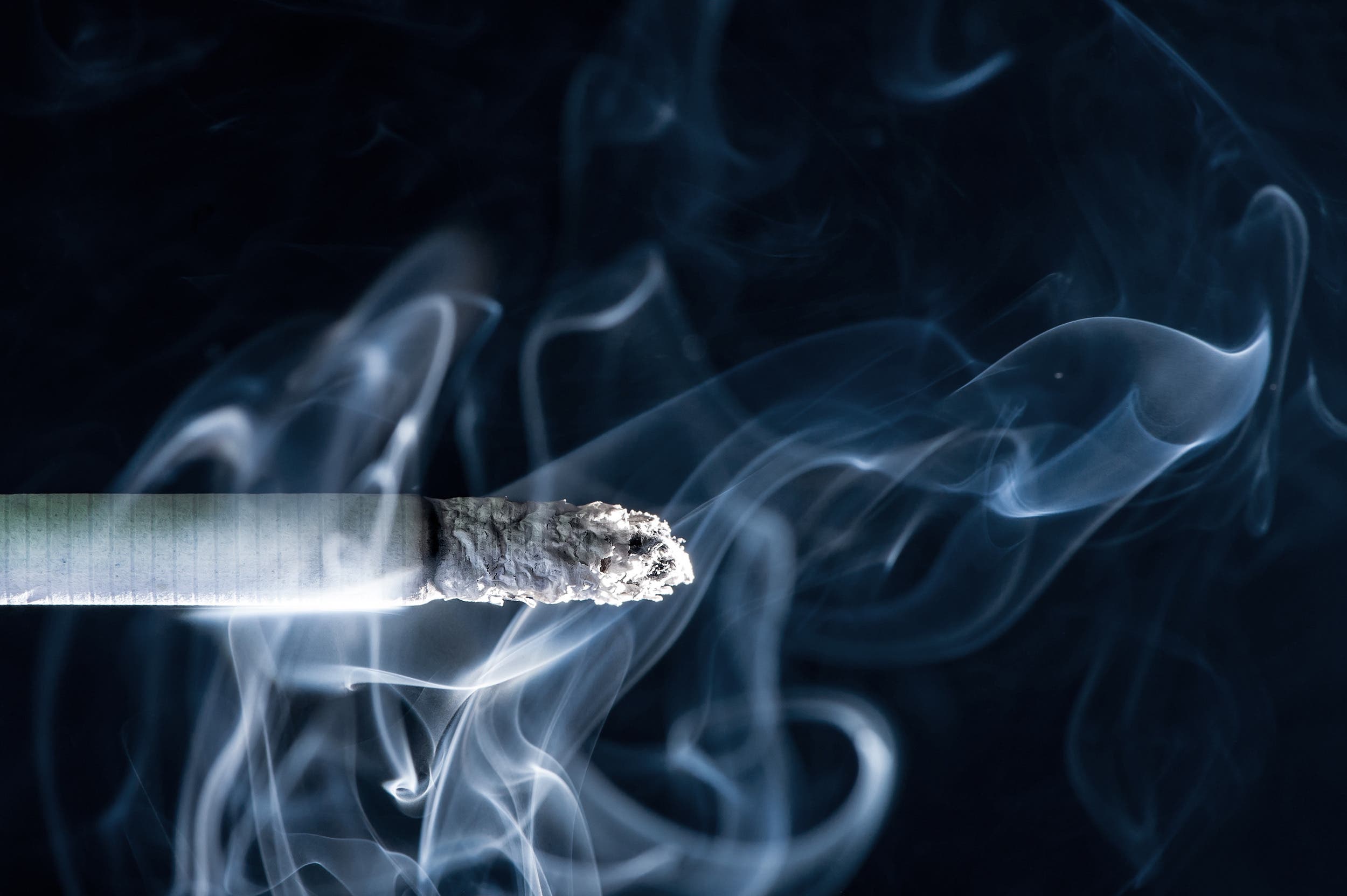
November is Lung Cancer Awareness Month. So what do you need to know? Smoking accounts for nearly 90 percent of all lung cancers. The risk of developing lung cancer for a current smoker of one pack per day for 40 years is approximately 20 times that of someone who has never smoked. Prevention is always best. Make it a point to not expose loved ones to smoking- they are also at risk for cancer and many other types of medical problems.
Protect yourself and loved ones by quitting. In doing so, you’ll even set a positive example to friends and family on how to treat their own bodies. Quitting smoking or smokeless tobacco is not easy for most, but there are resources available to help tobacco users make a change. Initiatives and resources like the Great American Smoke Out, telephone support groups (1-800-QUIT-NOW), and any number of tobacco cessation programs like the Tobacco Dependence Program supported by the Cancer Institute of New Jersey, Robert Wood Johnson Medical School and School of Public Health at Rutgers University. Specialists there can discuss a variety of treatment options, including the nicotine patch, gum, lozenge, nicotine nasal spray or nicotine inhaler – along with prescription medications and one-on-one or group support and counseling.
While the majority of patients with lung cancer come in with advanced disease we hope to change that. If you have never really had a cough before and either smoke now or did so in the past, see your doctor. A cough with blood is even more concerning, but just as difficult to pinpoint the cause. If you have a hoarse voice that has come on suddenly and does not go away, please alert your physician. If you have smoked more than 100 cigarettes in your life, please keep track of these symptoms and ask your doctor if further evaluation is needed.
Find out what's happening in New Brunswickfor free with the latest updates from Patch.
While these and other symptoms can be seen in patients with cancer, they can be seen in non-cancer cases, too. Screening can help to properly diagnose these patients. Physician-scientists at Rutgers Cancer Institute of New Jersey participated in a national lung cancer screening clinical trial that showed great promise in reducing lung cancer deaths. We continue to offer this expertise with our lung cancer screening program. For more information about the lung cancer screening program or to schedule an appointment, call 732-235-5947.
Remember, prevention is always best – but even if you are a current tobacco user, there are resources available to help you quit.
Find out what's happening in New Brunswickfor free with the latest updates from Patch.
Sujani Ganga Surakanti, MD, is a medical oncologist in the Thoracic Oncology Program at Rutgers Cancer Institute of New Jersey and a clinical assistant professor of medicine at Rutgers Robert Wood Johnson Medical School.