Health & Fitness
Toxin Exposure Possible In Dominican Deaths, Rutgers Prof Says
A Rutgers toxicology prof and an expert in the world of bootleg liquor talk to Patch: What's causing the deaths in the Dominican Republic?


NEW BRUNSWICK, NJ — A Rutgers toxicology professor and a man who runs a non-profit dedicated to identifying bootleg liquor across the world both spoke to Patch this week on the topic that's on everyone's minds: What is causing so many tourist deaths in the Dominican Republic?
Woodbridge Township resident Joseph Allen has now become the ninth American to die under suspicious causes in the Dominican Republic. Allen's family told the media he felt hot and feverish during his vacation there last week, and he went to lie down in his room. On Thursday morning, he was found dead.
Read more: Family: Why Did Woodbridge Man Die In Dominican Republic?
Find out what's happening in New Brunswickfor free with the latest updates from Patch.
While there are no reports of Allen drinking alcohol, the FBI launched an investigation last week into whether the other American deaths were from drinking tainted or bootleg liquor, reported the New York Post.
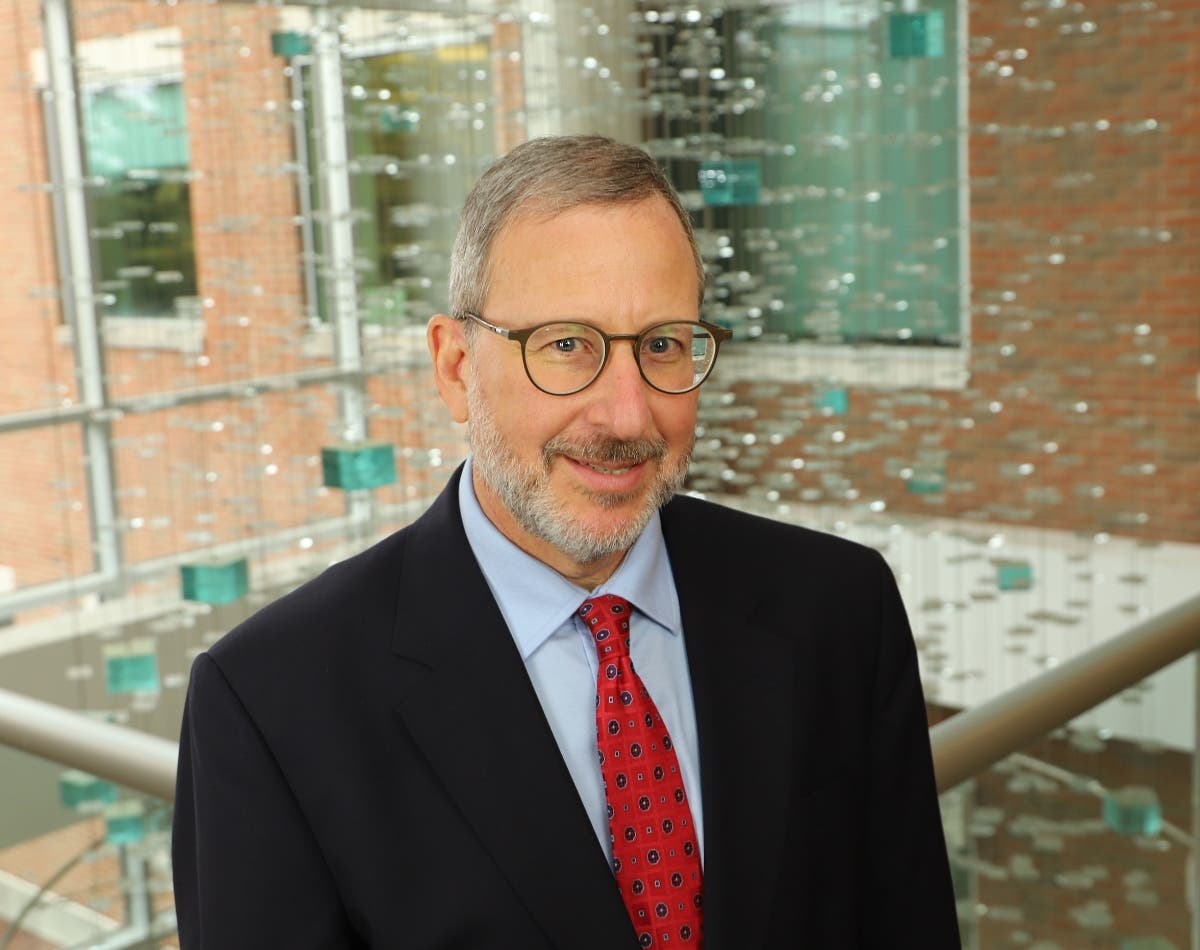
"When you have nine people who died, two of whom are a couple, and they are all otherwise healthy, you've got to believe this is some kind of toxin exposure," said Dr. Reynold Panettieri, a pulmonary critical care physician and toxicologist at Rutgers. "Now whether it's an inhaled toxin, or transmitted topically through the skin or ingested such as in a drink — we just don't know enough yet."
Find out what's happening in New Brunswickfor free with the latest updates from Patch.
The FBI has taken drink samples from the Dominican hotels to their labs in Quantico, Virginia but they have not made the results public yet.
"Based on the tips we've been consistently getting for over the past year, I certainly feel comfortable saying that a lot of the drinks (in Mexico and the Dominican Republic) are inauthentic," said Kemal, the founder of SafeProof.org, a Jersey City-based non-profit that aims to track and identify bootleg liquor worldwide. (He declined to give his last name because he said he often does undercover investigations into bars serving counterfeit alcohol). "You're also dealing with serious criminal elements in the bootlegging world."
So far, the deaths are eerie in their similarities:
The family of Pennsylvania resident Yvette Monique Sport said she died in 2018 at a Bahia Principe resort after having a drink from the minibar. Miranda Schaup-Werner, another Pennsylvania resident, died May 25, just hours after arriving at the Grand Bahia Príncipe. She was on a trip to celebrate her anniversary with her husband but collapsed suddenly after having a drink and was later pronounced dead. Robert Bell Wallace, of California, died in April after drinking from the minibar at the Hard Rock Hotel & Casino resort in Punta Cana, Fox News reported.
A New York City woman told the Post she stayed at a Grand Principe location in October 2018, and downed a soda that had been in the room's minibar. "I ran to the bathroom sink and spit it out and it was all blood. This is bleach, this is bleach! My tongue was bleeding and my mucous was all blood."
To this day, she has no taste buds.
Adulterated, bootleg or watered-down drinks in developing countries is nothing new. In April, the U.S. State Department warned spring breakers visiting Cancun to watch out for unregulated alcohol. SafeProof said they've been receiving complaints about counterfeit booze, specifically in the Dominican Republic and Mexico, for more than a year now.
"Anytime there's an all-inclusive resort the risk for adulterated alcohol increases," explained Kemal. "The rates they charge tourists are so reasonable, and yet the cost of importing alcohol is so expensive, so the temptation for these resorts is very high."
What typically happens is one of four things, he said: "First, they simply just water down the alcohol. That's very common. The second is they will refill premium bottles with cheaper brands, many of which are made correctly, but are just not premium."
The third option is the most worrisome: Resorts will use liquor that has been distilled locally, often made in backyard distilleries that quietly operate without the government's knowledge.
"There's a reason why in the U.S. you can make your own beer but it's illegal to distill your own liquor. That's because the home distillation process can create methanol, which is poisonous," he said.
"That's the first part of it," he continued. "The second part of this, which is very likely, is that these illicit producers are using industrial-strength ethanol alcohol. You can buy a 55-gallon drum of this for only a few hundred dollars. It's the stuff made for cleaning products or rubbing alcohol; it's 200 proof. They mix it with water or another recipe, but if it's not done correctly, it can be lethal."
On SafeProof.org, a young Canadian woman shared a story of how she drank a bootleg cocktail while visiting Indonesia. She's now blind.
"This is what's being done in a lot of developing countries. It's so much cheaper and bypasses alcohol taxation, which is very high," said Kemal.
Bootleg alcohol is also commonly found in places where alcohol is frowned upon or illegal, such as countries like India, Malaysia, Iran and Pakistan. But it's not just a problem for the developing world: According to Kemal, illegal, home-distilled liquor is a growing problem in England, as well.
He said his company vets all the tips they receive, and shares tips that seem legit with the appropriate enforcement agency, which can include the FBI. He said he also reports various bars and resorts to the Dominican Republic tourism board.
"We try to reach out to as many people as we can to get as much attention as possible to this," he said. "After all, tourism is such a huge part of their economy and GDP."
Many of the American tourists died of respiratory failure and pulmonary edema, according to autopsies done by the Dominican government. Methanol poisoning kills by attacking the heart and the lungs, and causes pulmonary edema, said Kemal. Other toxins kill that way, too, said the Rutgers professor.
"Nine people all dying within six months and all dying without having a previous illness makes me concerned we're missing something and putting more people at risk," said Dr. Panettieri.
Here's how you can safely drink alcohol and still travel the world:
"The best thing to do when you're traveling, anywhere in the world, is to start with a brand of liquor that you know," said Kemal. "Get that neat or order it with soda water. Smell it first, take a small sip. If it doesn't smell or taste correctly, that's a big red flag to put it down."
Also, ask to look at the bottle, look at the label on the bottle (however labels can be switched) and make sure the drink is being made right in front of you.
Do that for every single alcoholic drink you have while on vacation, he said.
"However, much like a counterfeit Louis Vuitton handbag, it's very easy to make counterfeit drinks, too," he warned.
Watch Ashley King tell her story:
Related: NJ Man Is 9th American To Mysteriously Die In Dominican Republic
Get more local news delivered straight to your inbox. Sign up for free Patch newsletters and alerts.