Neighbor News
Unmasking Cardiac Sarcoidosis: Symptoms, Diagnosis, and Lifesaving Insights
Cardiac sarcoidosis is a rare, silent inflammatory disease that disrupts heart rhythm and function, risking heart failure and sudden death.

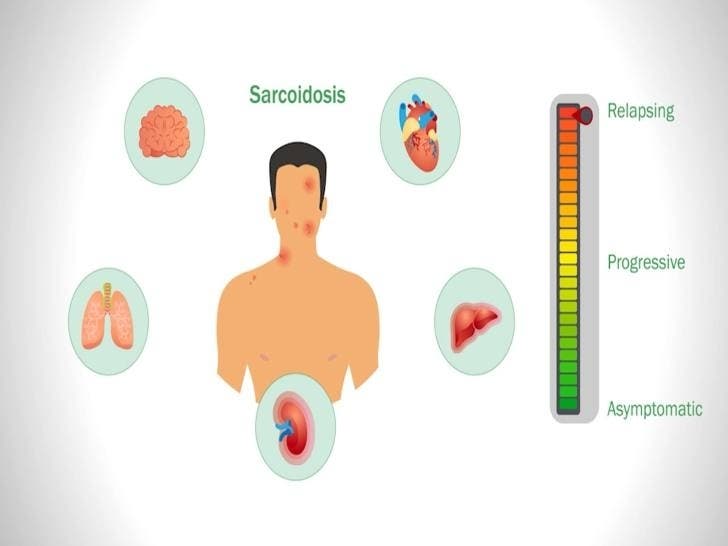
Cardiac sarcoidosis, though rare, is a potentially life-threatening condition that often lurks silently within the heart. It is a manifestation of sarcoidosis, an inflammatory disease characterized by the formation of tiny clumps of inflammatory cells called granulomas. While sarcoidosis most commonly affects the lungs and lymph nodes, its cardiac involvement can lead to serious complications, including heart rhythm disturbances, heart failure, and even sudden cardiac death. Understanding the signs, diagnostic approaches, and management strategies is crucial for timely intervention and improved outcomes.
Understanding Cardiac Sarcoidosis
Cardiac sarcoidosis occurs when granulomas form in the heart tissue, disrupting normal electrical pathways and impairing heart function. The exact cause of sarcoidosis remains unknown, but it is thought to involve an abnormal immune response, possibly triggered by infections or genetic predisposition. The disease can affect individuals of any age, but it is most commonly seen in adults between 20 and 60 years of age. Early recognition is challenging because the symptoms often mimic other heart conditions, making awareness and vigilance vital.
Symptoms: The Silent and Overt Signs
One of the most perplexing aspects of cardiac sarcoidosis is its unpredictable presentation. Some individuals remain asymptomatic, while others experience subtle or severe symptoms depending on the location and extent of granuloma formation. Common manifestations include:
Find out what's happening in New Brunswickfor free with the latest updates from Patch.
- Arrhythmias (Abnormal Heart Rhythms): Granulomas can interfere with the heart’s electrical system, leading to irregular heartbeats, palpitations, or fainting spells. Ventricular arrhythmias, in particular, pose a significant risk of sudden cardiac death.
- Heart Block: The condition may cause conduction abnormalities, such as atrioventricular (AV) block, resulting in slow or irregular heart rates. This can lead to dizziness, fatigue, or unexplained fainting.
- Heart Failure Symptoms: When granulomas damage the heart muscle, the heart’s pumping ability diminishes. Patients may notice shortness of breath, swelling in the legs or abdomen, and difficulty performing everyday activities.
- Chest Pain or Discomfort: Though less common, inflammation in the heart can lead to chest pain, often mistaken for angina or other cardiovascular issues.
- Other Systemic Symptoms: Fatigue, unexplained weight loss, and low-grade fevers may accompany cardiac involvement, especially if other organs are affected by sarcoidosis.
Because these symptoms overlap with other cardiac disorders, misdiagnosis or delayed diagnosis is common. Therefore, anyone experiencing persistent or unexplained cardiac symptoms should seek specialized evaluation.
Diagnosis: Piecing Together the Puzzle
Diagnosing cardiology cardiac sarcoidosis is complex, often requiring a combination of clinical assessment, imaging studies, and sometimes tissue biopsy. Physicians rely on a stepwise approach to confirm the presence of granulomas in the heart while ruling out other conditions.
Find out what's happening in New Brunswickfor free with the latest updates from Patch.
- Electrocardiogram (ECG) and Holter Monitoring: These tests detect arrhythmias, conduction abnormalities, and subtle changes in heart rhythm. Continuous monitoring can capture intermittent events that standard ECGs may miss.
- Echocardiography: This ultrasound-based imaging technique evaluates heart structure and function. It can reveal areas of impaired motion, thinning of the heart walls, or enlargement of the chambers.
- Cardiac MRI (Magnetic Resonance Imaging): MRI with late gadolinium enhancement is highly sensitive for detecting scar tissue and inflammation. It provides detailed images of the heart’s structure and helps identify affected regions.
- PET Scan (Positron Emission Tomography): PET imaging detects active inflammation in the heart and is useful for monitoring treatment response. It often complements MRI findings, offering a clearer picture of disease activity.
- Endomyocardial Biopsy: In certain cases, a small sample of heart tissue is examined under a microscope to confirm granulomas. While definitive, the procedure carries risks and may yield false negatives due to the patchy nature of the disease.
- Blood Tests and Other Evaluations: Blood work can provide supportive evidence, such as elevated inflammatory markers or abnormal cardiac enzymes, and may help assess sarcoidosis involvement in other organs.
Lifesaving Insights and Management
The treatment of cardiac sarcoidosis aims to control inflammation, manage symptoms, and prevent complications. Early recognition and intervention can dramatically improve quality of life and reduce the risk of sudden death.
- Immunosuppressive Therapy: Corticosteroids, such as prednisone, are the cornerstone of treatment, reducing inflammation and preventing further granuloma formation. In refractory cases, other immunosuppressive agents may be considered.
- Arrhythmia Management: Antiarrhythmic medications can help stabilize heart rhythm. In severe cases, implantation of a pacemaker or an implantable cardioverter-defibrillator (ICD) may be necessary to prevent life-threatening arrhythmias.
- Heart Failure Management: Standard therapies for heart failure, including ACE inhibitors, beta-blockers, and diuretics, are used when cardiac function is compromised. Lifestyle modifications, such as sodium restriction and regular exercise, also play a supportive role.
- Regular Monitoring: Ongoing follow-up with a cardiologist experienced in cardiac sarcoidosis is essential. Imaging studies, ECGs, and symptom tracking help adjust therapy and detect relapse early.
- Patient Awareness: Educating patients about symptom recognition, medication adherence, and lifestyle modifications is crucial. Prompt reporting of new symptoms can save lives.
Conclusion
Cardiac sarcoidosis is a stealthy and complex disease, capable of striking without warning. Its diverse symptoms, diagnostic challenges, and potential for serious complications make awareness and timely intervention critical. While the road to diagnosis may be intricate, advances in imaging and treatment—supported by specialized care at centers such as Liv Hospital—provide hope. By unmasking cardiac sarcoidosis early, patients and healthcare providers can work together to prevent complications, stabilize heart function, and embrace a proactive, life-saving approach.
Recognizing the signs, understanding the diagnostic pathways, and implementing targeted treatment strategies are not just medical necessities—they are lifelines that transform uncertainty into hope and vigilance into survival.