Neighbor News
When Life Gets Expensive: Navigating the Financial Surprises That Catch Us All Off Guard
Unexpected expenses can strike anytime. Learn how savings, planning, and smart borrowing help you stay calm, prepared, financially resilient

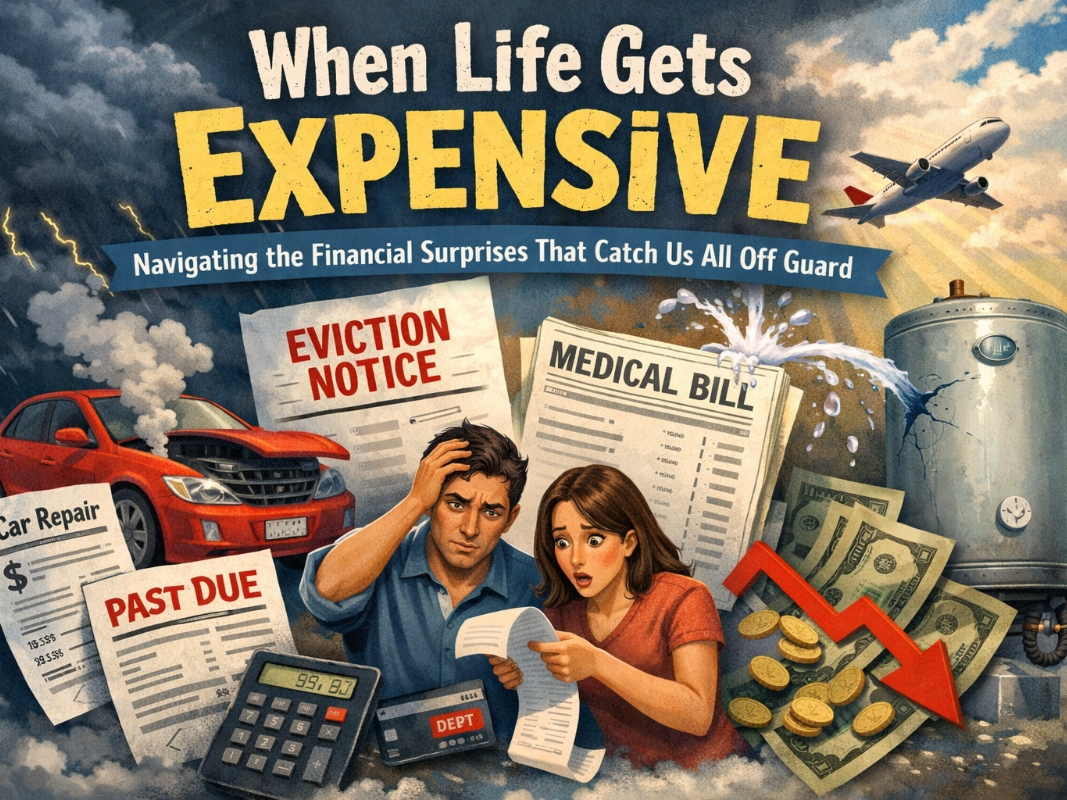
Nobody wakes up expecting their boiler to break down in the middle of January, or their car to fail its MOT with a repair bill that makes their stomach drop, or a letter from the dentist explaining that the twinge they have been ignoring for months is going to cost significantly more than they hoped. Yet these are exactly the kinds of expenses that land on people's doorsteps with depressing regularity, and they have an uncanny ability to arrive at the worst possible moment. Research consistently shows that a large proportion of households would struggle to cover an unexpected expense of even a few hundred pounds from their current savings. This is not because people are irresponsible with money. It is because the cost of everyday life has risen sharply in recent years, and the gap between what most people earn and what they need to spend leaves very little room for building the kind of financial cushion that would make these surprises painless.
The emotional toll of an unexpected expense is often as significant as the financial one. There is a particular kind of stress that comes from knowing you need to find money quickly for something you had no way of planning for, and it can affect everything from your sleep to your relationships to your ability to concentrate at work. People in this situation frequently make decisions under pressure that they would not make if they had more time to think, whether that is putting a large amount on a high-interest credit card, borrowing from a family member and creating an awkward dynamic, or simply ignoring the problem and hoping it goes away, which almost always makes things worse and more expensive in the long run. Understanding your options before you are in the middle of a crisis is one of the most valuable things you can do for your own financial wellbeing, even if it feels like an abstract exercise at the time.
Building Resilience Before You Need It
The single most effective way to protect yourself against financial surprises is to build an emergency fund, and the good news is that it does not need to be a daunting sum to make a real difference. Even having a few hundred pounds set aside in an accessible savings account can be the difference between a minor inconvenience and a genuine crisis. The key is to start small and be consistent rather than waiting until you can afford to save a large amount in one go. Setting up an automatic transfer of even a modest sum each payday means the money moves before you have the chance to spend it, and over the course of several months, those small contributions add up to something meaningful. It is worth keeping this money in a separate account from your everyday spending so that it is not accidentally absorbed into your regular budget, but it should still be easy to access quickly when you need it, because the whole point is that emergencies do not wait for convenient banking hours.
Find out what's happening in New Brunswickfor free with the latest updates from Patch.
Beyond saving, it is also worth taking stock of the expenses that are most likely to catch you out and doing what you can to reduce their impact in advance. If your car is getting older, for example, it may be worth setting aside a little more specifically for maintenance costs rather than being blindsided when something inevitably needs replacing. If your home has ageing appliances or a heating system that has seen better days, keeping a rough idea of replacement costs in mind helps you feel less ambushed when the time comes. Insurance is another tool that many people overlook or undervalue until they need it. Policies that cover boiler breakdowns, appliance repairs, or emergency plumbing can seem like an unnecessary expense when everything is working fine, but they can save you hundreds or even thousands of pounds when something goes wrong. The trick is to review what you are paying for regularly, because many people continue paying for cover they no longer need whilst missing gaps in protection that would genuinely benefit them.
When Savings Are Not Enough
Despite the best planning, there will be times when the cost of what needs to happen exceeds what you have available. This is nothing to be ashamed of, and it is far more common than most people realise, partly because nobody talks about it very openly. When you find yourself in this position, the most important thing is to take a breath and assess your options carefully rather than grabbing the first lifeline you see. Personal loans are one of the most straightforward borrowing options for covering a defined expense, because you borrow a specific amount, agree a repayment schedule upfront, and know exactly what your monthly payments will be from day one. This predictability can be genuinely reassuring when the rest of the situation feels chaotic, because at least the financial element has a clear structure and a definite end date.
Find out what's happening in New Brunswickfor free with the latest updates from Patch.
It is worth understanding how personal loans differ from other forms of credit before you make a decision. Unlike a credit card, where the temptation to make only minimum repayments can lead to debt lingering for years and costing far more in interest than the original purchase, a personal loan has a fixed term that ensures you are paying down the balance consistently. Unlike borrowing from friends or family, it keeps financial obligations within a formal framework and avoids the complications that informal lending can introduce into personal relationships. The interest rate you are offered will depend on factors including your credit history, the amount you want to borrow, and the length of the repayment period, so it is always worth comparing options from more than one provider. Looking at the total amount repayable rather than just the monthly figure gives you a much clearer picture of what the borrowing will actually cost, and it is the number that matters most when you are comparing one offer against another.
Ultimately, financial resilience is not about earning a certain amount or never facing unexpected costs. It is about having a combination of habits, knowledge, and awareness that allows you to deal with those costs without them derailing your broader financial health. Building savings gradually, understanding what you are most likely to need money for, knowing how different borrowing options work before you need them, and making decisions calmly rather than under pressure are all skills that improve with practice. Life will always find ways to be expensive at inconvenient moments. What changes is how prepared you feel to handle it, and that sense of preparedness, more than any specific sum in a savings account, is what gives people genuine peace of mind about their finances.