Arts & Entertainment
5 Things To Do In Your June Garden
Want a beautiful garden? Here's what you need to do to get it.
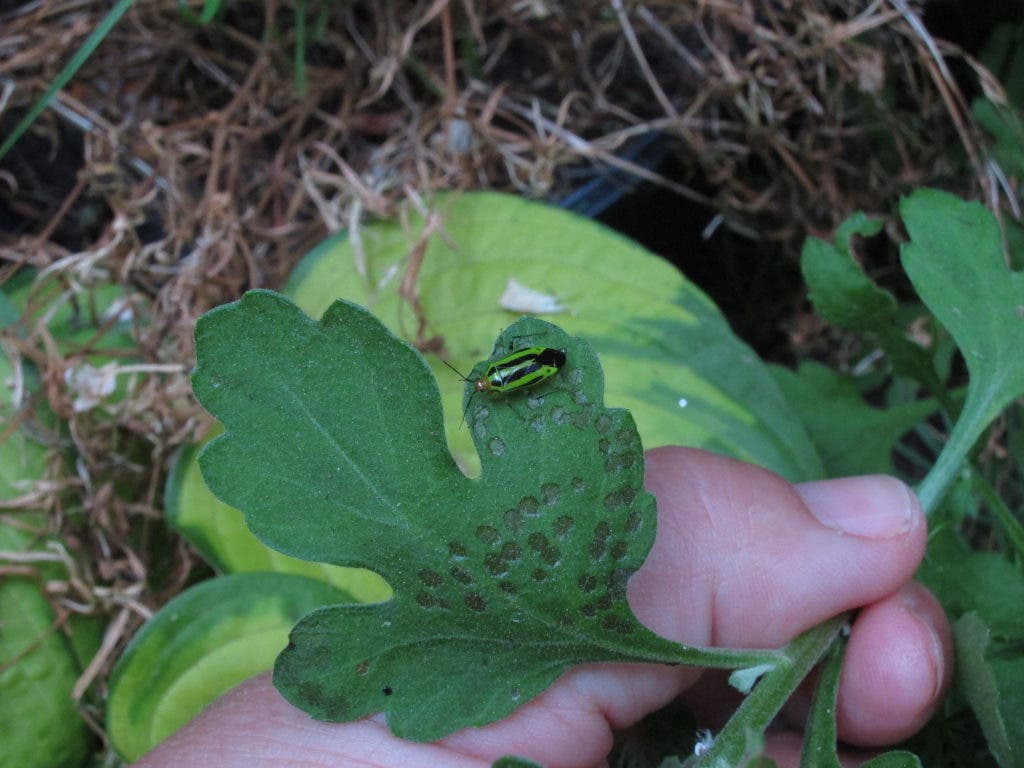


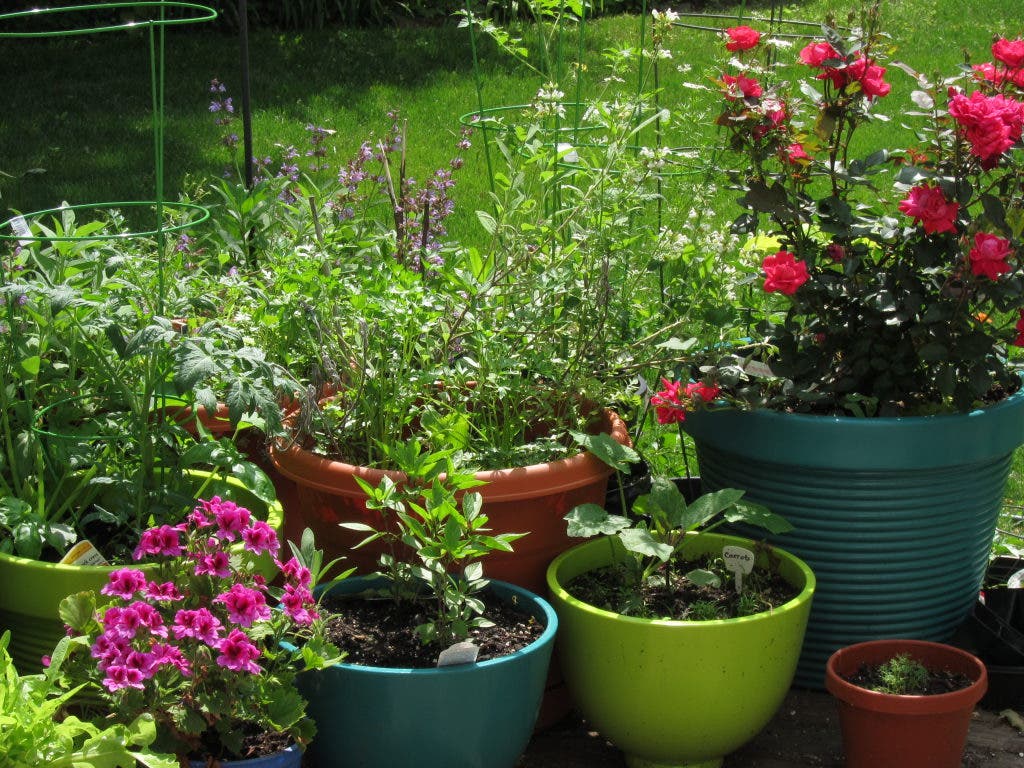


Although there are still many tasks to be done in the June garden, this transitional month is filled with the heady sights and smells of late spring/early summer blossoms that make working out of doors an almost other-worldly experience.
1. Water
Make sure to “water in” any transplants or new plantings. Water deeply, preferably early in the morning, so the plants can dry off before evening, avoiding the growth of molds. Water to the depth of at least 2-3 inches in the soil. Test the soil with your pointer finger to make sure it is thoroughly soaked. Many times the surface soil will look wet, when it is dry, barely underneath. Water containers more frequently as they are prone to drying out. In extreme heat it is entirely possible to water container plants twice a day.
Find out what's happening in New Milfordfor free with the latest updates from Patch.
2. Weed
Weed beds regularly, avoiding a massive onslaught by the pesky things which seem to quadruple on vacations. Put healthy weeds that are not diseased or full insects into the compost. It is not a good idea to compost weeds that have flowered as they have “gone to seed” as they will permeate your soil with baby weeds. Mulch around plants to a depth of 2-3” to cut down on weeds. Hay is a good mulch for the vegetable garden.
Find out what's happening in New Milfordfor free with the latest updates from Patch.
3. Pinch
Pinch back Montauk Daisies and Chrysanthemums until July to force plants to bush out, rather than become tall and spindly. Deadhead, (pinch off)- that is remove spent flowers from rhododendrons, azaleas, mountain laurels and lilacs. Deadhead repeat blooming roses to encourage the growth or more blossoms. Throw blossoms into the compost.
4. Dig
Continue planting trees, shrubs, ground covers and other container plants until the really hot weather sets in. After that point it is advisable to wait until the fall as the stress of intense heat is too much for plants trying to set roots. Remember to dig a hole a little deeper and twice as wide as the container or ball the plant came in. Loosen up the dirt in the hole and mix with 1/3 peat. Plant at the same level that it was in the container. Firm the dirt around the plant. Water and continue to water almost daily to establish the roots.
Finish transplanting seedlings such as tomatoes, peppers and eggplants, melons. (It is ideal to do your transplanting on a windless and cloudy day as it minimizes water-loss and reduces the shock of transplanting in the blazing sun or extreme heat. Make sure to water all newly planted plants, be vigilant to continue to water regularly to aid developing roots.)
5. Sew
Sew annual seeds such as zinnias, sunflowers, cosmos, love-in-a-mist, and marigolds. Direct sew vegetables now that the soil is nearing 70 degrees: squashes, pumpkins, zucchini, cucumbers and many herbs such as fast-growing basil. Finish sewing corn. Direct seed fall crops-kale, collards, and rutabagas while transplanting broccoli, cabbage, cauliflower, and brussels sprouts.