Arts & Entertainment
Fall is the Perfect Time to Plant Trees, Shrubs and Perennials
Tips for healthy plants for years to come
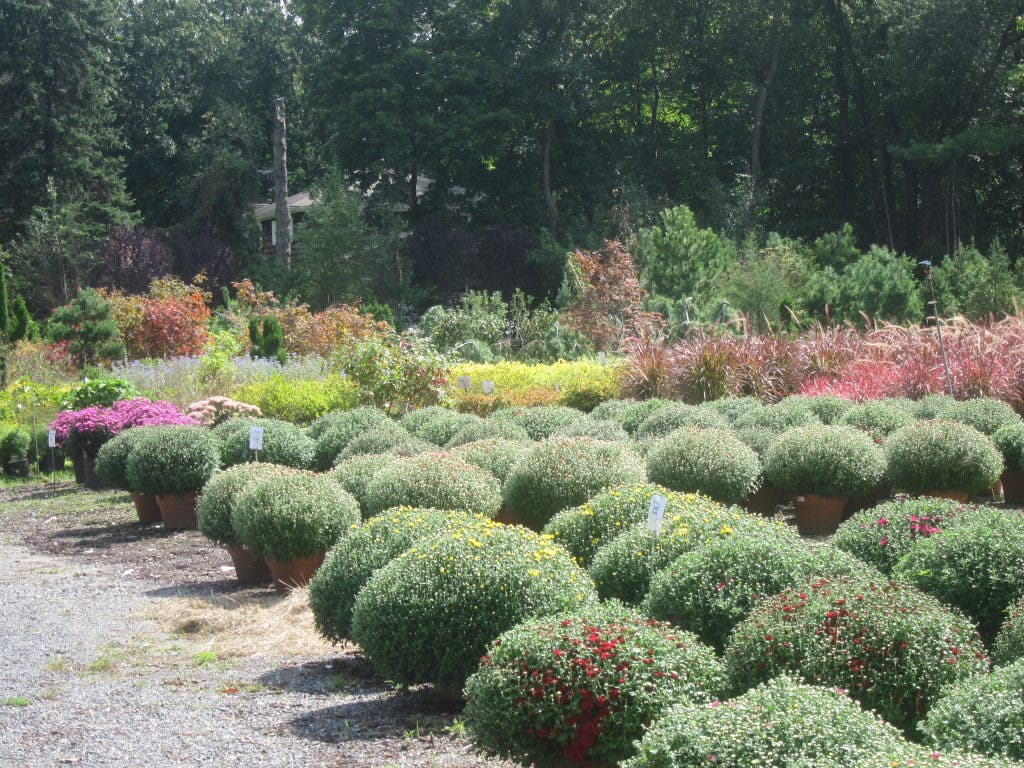


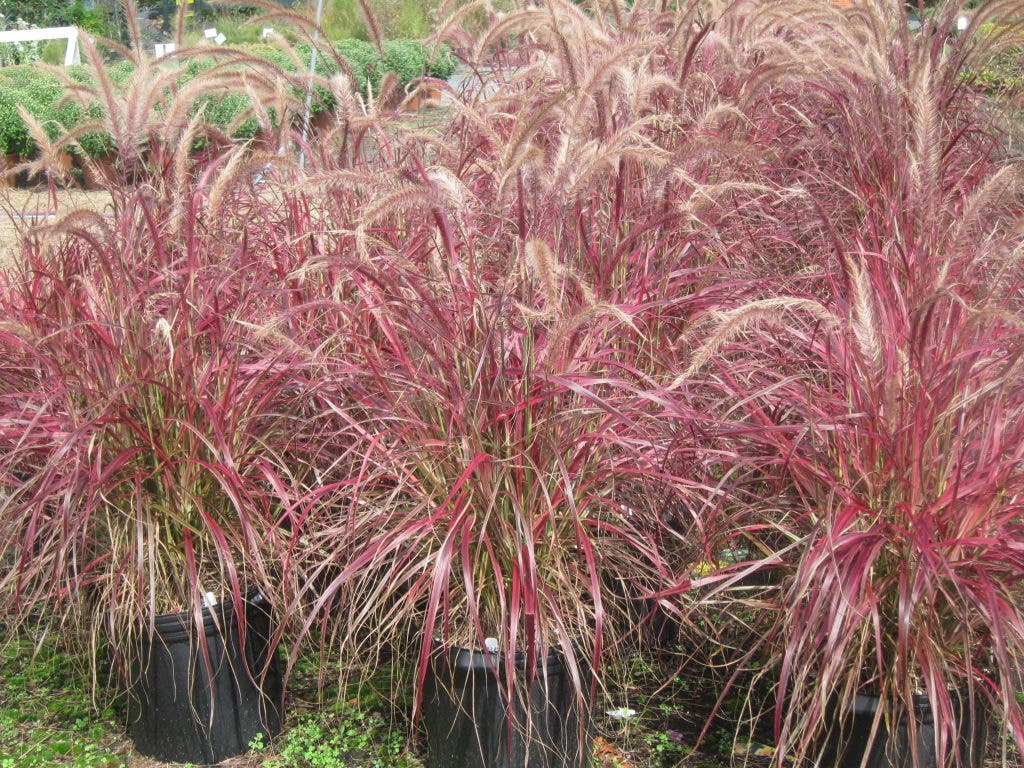


Fall is the perfect time to plant new trees, shrubs and perennials in the garden as the soil is warmer than in the spring. Planting between now and October 15 gives trees and shrubs about 6-8 weeks for roots to become established before the hard frosts of December. Soil temperatures are usually in the high 60s in September, but roots will still grow in the late fall temperatures of about 40 degrees.
Placement
The most important consideration in planting is the Master Gardener’s Mantra: “The right plant for the right place.” Study the spot before digging! How many hours of direct sunlight does it get? How much shade? Does it have adequate drainage? What type of soil? How close is it to the house, patio, deck? And what will it look like in the future?
Find out what's happening in New Milfordfor free with the latest updates from Patch.
Read the tags on potential candidates to make sure the location closely matches the plants' growing conditions. Pay attention to the potential size at maturity. Trees and shrubs need good air circulation and room for expansion. It is very difficult to transplant a 300-pound tree or a 12-foot shrub later on.
Plants meant for larger spaces are not polite-they will cast a dark shadow over smaller neighbors, send roots into foundations or sewer pipes and make the façade of your home look haunted with unsightly overgrowth.
Find out what's happening in New Milfordfor free with the latest updates from Patch.
Use a wheel barrel or garden cart to move the tree or shrub to its intended location. It can also be dragged on a tarp.
Digging the hole/testing for drainage
Dig the planting hole two-to-three times the width of the pot or root ball and only as deep. The lateral space is the most important part of preparing the hole as it is the area in which the roots will expand --the wider the space, the more easily they will adapt. Good soil will be rich in minerals which appear as tiny sparkly spots in dark, moist earth. “Loamy” soil will temporarily stay in a loose ball in your hand. Make sure to loosen the soil along the bottom and sides of the hole with your shovel.
Check the hole for drainage, by filling it with water. The water should drain out within 20 minutes or so. If water remains after several hours, the soil is probably clay-dominant and should be amended with 1/3 peat moss mixed into the back fill.
Planting
Be sure to remove all wires, twine, tags and burlap. Yes, the burlap. There is much controversy over leaving loosened burlap in planting holes with many professionals insisting on its eventual decomposition--emphasis on eventual. It is much easier for a plant to send roots directly into the soil than to navigate through scratchy burlap, so why not just eliminate a possible impediment than take a chance when installing a valuable tree or shrub into the landscape.
There are many factors in plant failure and burlap can be the culprit by contributing to suffocation of the roots and the harboring of nasty pests. Burlap also has a tendency to migrate towards the surface, looking unsightly in the garden.
Remove plants from pots gently. If there is any resistance, roll the pot back and forth on its side, adding a bit of pressure on all sides with your hands. If there is still resistance, cut the pot away with heavy shears. Never force a plant out of a pot as you can damage the connection in the trunk or stem by detaching it from the roots completely.
Inspect the roots of the plant. If they are “girdled,” that is tightly wound, yellowed, brown or rust colored, the plant may be root-bound and needs an extra bit of care before planting. Gently loosen the roots by hand, brushing off any sticky dirt or debris. Rejuvenate dried-out roots by soaking for 30 minutes in a large vessel of warm water. Roots that are small and tight and dense may be cut using a small garden saw or pulled apart by hand at the bottom layer to insure easier acclimation in the soil.
Walk around the plant, determining its “good side.” Place it in the hole with its “best face forward,” usually the most symmetrical view. The plant should be straight up and down in the hole, making sure that the top of the root ball is in line with the top of the soil line.
Backfill the hole, tamping down gently. Do not stomp on the hole, pack or heavily compress the soil as roots need to move freely underneath. Patting the soil firmly helps prevent the plant from going into shock or tipping over, however, it needs to be loose enough for rain and watering as well as hospitable to worms to do their work.
Mulching/Watering
Do not prune or fertilize at this time, as you do not wish to encourage growth at the top of the plant. Sprinkle about an inch of compost on the top of the soil that will work its way down slowly over time. Add about two inches of mulch, keeping it from coming indirect contact with the trunk or stems. No volcano piles!
Water for about 20-30 minutes each day. New plants are thirsty and need constant moisture for roots to grow efficiently in the short amount of time before the hard frosts.
Planting in the fall is the preferred time by horticulturalists and by following the above guidelines, insures a more beautiful garden in the spring.