Arts & Entertainment
Garden Patch: Killer Containers
Creative uses of small spaces to brighten up your yard
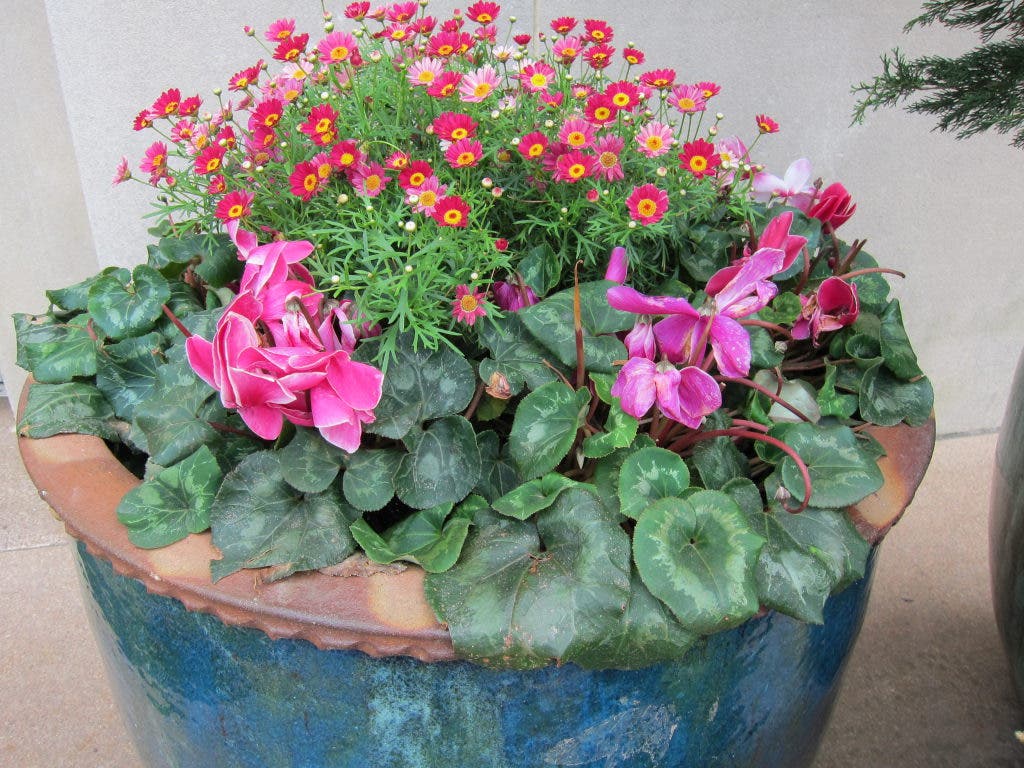
Now that it has stopped raining, it is time to establish your containers just in time for summer. Containers are actually a great place to experiment with different combinations of plants and flowers-they are an inexpensive way to brighten up the entrance to your home, a way to say welcome on a front porch or deck or a dramatic accent anywhere in the yard or pool area.
Container Style
The first thing to think about is the container: what type, how big and how many? Do you have old hanging baskets that just need a bit of sprucing up? A little soap and water, a fresh coat of paint, some Spanish Moss? Is there a favorite theme—an antique bicycle with a charming basket, something nautical, an old milk box, a cluster of unique pitchers.
Find out what's happening in New Milfordfor free with the latest updates from Patch.
Do you want something modern, brightly colored, artsy or otherwise eye-catching? Perhaps traditional is what you are after-a couple of understated urns, a pair of dignified lions. All of the nurseries in our area carry lightweight versions of every imaginable container as well as ceramics and real or imitation stoneware.
Whether old or new, wash containers thoroughly: inside and out, using a mild soap and water to remove dust or other contaminants. Make sure there are at least four to six drainage holes in the bottom, and a splash plate or water-catcher. Some containers come with punch holes while others require drilling with a ½ inch drill bit. Large containers, of two gallons or more, can be filled approximately ¼ from the bottom with small pebbles or crumpled up newspapers for additional drainage as well as taking up unnecessary soil space.
Find out what's happening in New Milfordfor free with the latest updates from Patch.
Fertilizer and Soil
Your next consideration is planting medium. Most planters will be fine with ordinary potting medium-never garden soil, which is too heavy. Potting medium is made up of peat moss, vermiculite and a small amount of compost or fertilizer—all light-weight particles meant for the delicate roots of annuals (one season plants). If you want to grow perennials, herbs, or vegetables, the soil must have more substance. It is advisable to mix two parts potting medium (Miracle Grow with fertilizer or Bumper Crop is good) and one part composted cow manure, mushroom compost or ideally compost from your own composter.
Plants and Design
Now for the fun part and here is where you can let yourself go a little wild. First, think of your favorite colors, selecting between three and five. Take a look in magazines for ideas, drive around in nearby parks or towns or ask at the nursery for suggestions. Like a British Watercolorist, think lights and darks, going for textures and contrasts in your floral palette. Balance your containers symmetrically in the sense that they should have height, a variety of solids and variegated leaves, different sizes and shapes of flowers and at least one dangling vine to add interest.
Try combining a vegetable such as a white or Asian Eggplant, with its beautiful star-shaped lavender blossoms and hyssop, an herb with tiny purple flowers and a bright green-leaved potato vine. Plant sweet 100 tomatoes with lime basil and a cucumber or zucchini vines. (These do best in the large plastic barrels available at most nurseries). Wave petunias come in many gorgeous colors and look wonderful with traditional flowers such as daisies, geraniums, coleus, dahlias, galanthus or tried and trues like impatiens and begonias. Many perennials will winter over if mulched properly—try clematis for height, members of the sage family, candytuft, and mountain pinks mixed with useful herbs like rosemary, cilantro, dill and creeping thyme. There is no limit or standard to combination.
Potting up the Plants
When you are ready to transplant new plants into you containers, gently turn them upside down, rolling the commercial pot a bit to loosen. Remove plants gently from their growing pots, carefully examining the roots. If the plant is root-bound, that is, there is not much soil and the roots are brown or dried out and yellow or coiled tightly around the bottom, you should really take it back to the nursery, as it has been over-fertilized and may not make it. If you don’t feel like going back, try loosening up the roots or even slicing off about a half inch across the bottom. You can also soak a root bound plant in a larger container of very warm water for about two hours before planting-this will re-hydrate the plant and greatly increase its chances for survival.
Bury your plants in soil up to the same level they were in their pots of origin, patting down firmly. Make sure to “water in” new plants and keep them moist until their new roots have been established.
Don’t be afraid to experiment with many different types of plants and flowers.
The most memorable gardens have interesting containers with unusual stories-plants donated from friends, “volunteers” like sedums or creeping jenny and even butterfly bush that just popped up one year and came to stay. Always practical, I love to harvest fresh vegetables and herbs from containers just outside of the kitchen door that are also a riot of colors and scents-that look as good as they are useful.
Maintenance
Remember to water your containers regularly-they dry out much faster than plants that are in the ground; fertilize about every two weeks (while plants are blooming or fruiting) using either a liquid such as Miracle Grow or pellets like Ozmicote.
Deadhead flowers by pinching off or cutting back spent blooms and snipping away dried out or dying leaves, allowing plants to use their energy in new growth. Containers can be more densely planted than in the ground because the soil has more nutrients and can be controlled more easily, so go a little crazy-summer’s coming! And don’t forget to tuck in a surprise element into your containers-a conversation starter like a tiny rubber snake or colorful piece of sea glass, rocks collected from a walk somewhere or even a small antique garden tool or child’s toy. A bit of whimsy goes a long way in a creative container-a part of the garden meant to reflect the charm of its creator.