Arts & Entertainment
Garden Patch: May Days! May Days!
It's time to tend to the list of garden chores for May
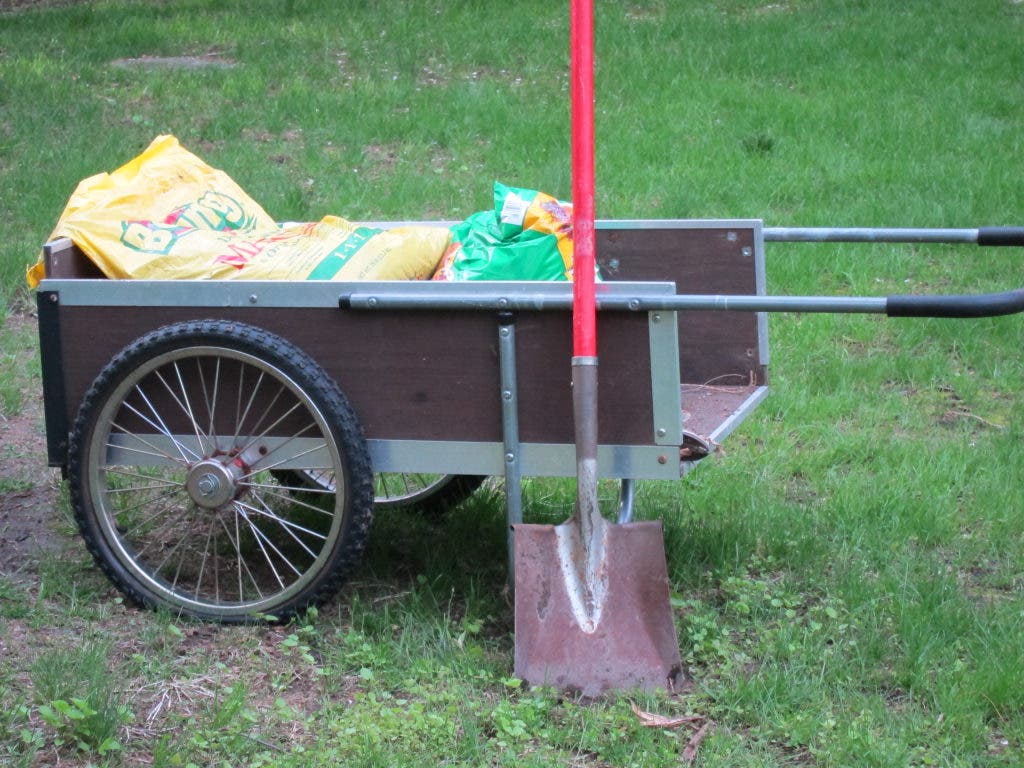
May Day! May Day! It's time to tend to important chores in the May garden.
If April showers brought May flowers, they also brought along the weeds! The time is now to get out there and weed the beds before things get out of hand. Most of the local nurseries and hardware stores carry rolls of plastic that are specifically meant to block the growth of weeds by placing it underneath 3” of mulch. This will last for years by blocking the sun.
If you need to replace a shrub or ornamental tree or simply wish to add some favorite annuals or perennials, you simply push back the mulch and cut the appropriate-sized hole, amending the soil as necessary. This process saves time and money as the mulch will last longer, needing refurbishing or replacement every second or even third year.
Find out what's happening in New Milfordfor free with the latest updates from Patch.
Mulching with leaves in the fall is a natural weed inhibitor that has the added bonus of enriching the soil with nutrients. This is especially good for Rhododendrons and other flowering shrubs. (Winter mulches should be removed in the beginning of May to avoid mold.)
May is a very busy time in the garden, so let’s get going. There is so much to do, so a check-list by category is helpful. Here goes:
Find out what's happening in New Milfordfor free with the latest updates from Patch.
The Edible Garden
- The ground is warm enough now, and all danger of frost has passed-seeds can be safely sewn directly in the garden. Ideal soil is loamy-meaning when you take a handful and give it a squeeze, it should stay together only slightly and then fall apart in a crumbly way. Following the directions on packages, be sure to plant seeds at the correct depth, the right distance apart from each other and of course in an area that gets at least eight or more hours of strong sunlight. Your garden should be close to the house for convenience as well as near a water supply. Direct sew cucumbers, onions, carrots, beets, and beans and corn. Continue to sew lettuces, radishes and spinach every two weeks. Direct sew parsley, chervil, swiss chard, turnips and fennel.
- Begin transplanting tomato plants into the garden. Place cages or stakes into containers or the ground while they are young to avoid disturbing the roots and shoots later on in the growing season. Transplant pumpkin, melon, pepper, eggplant, summer and winter squash seedlings into the garden; side-dress with a bit of compost and mulch.
- Begin fall seedlings indoors: broccoli, brussel sprouts, cauliflower and cabbage. These will go into the garden in June or July.
- Plant strawberries and other berry bushes.
- Set herbs either into the ground or in containers. Herbs make nice companions for flowers as well as vegetables. For example, basil makes a good partner with tomatoes.
Flowers and Grasses
- This is your last chance to cut back on perennial stems that were damaged by frost. Pruning now before plants flower will give them time to heal and prevent infestation by opportunistic pests.
- Finish dividing summer and fall-blooming perennials such as Hostas and irises before they open up their leaves. Dividing is necessary as huge clumps start to struggle for sunlight and nutrients.
- Stake Peonies, Delphiniums, Baptisa and tall phlox now so that foliage will fill out and camouflage their supports. Staking them later puts roots at risk of gashing, thereby inviting disease or bugs.
- Plant gladiola corms every two weeks for summer long cutting. Glads like rich, well-drained soil in a sunny location. They are very tall so plant them behind other annuals and perennials to make a colorful display. Plant Dahlias in moist, fertile soil, remembering that these tender tubers must be brought in, in the fall. Place mulch around the plants to retain moisture and be sure to rotate these around your borders to discourage pests.
- Plant “tender” annuals safely around the middle of the month through the beginning of June. This gives them plenty of time to acclimate to their spot and establish healthy roots before the real heat of summer begins.
- Plant potted roses now. Fertilize established roses with 2-4 inches of compost or well-rotted manure. (Fresh manure will burn the roots.) Scratch the fertilizer lightly into the soil-rain will take care of the rest. Roses are “heavy feeders” and “humusy” mulch not only provides nutrients, but helps to retain moisture. You must also top-dress repeat flowering roses (hybrid teas, grandifloras, and shrub-types) feeding initially in the spring and then three more times throughout the season. Apply rose foods (purchased at Abma's, Twin Brook, Roshlers, Metropolitan Plant, Home Depot, Lowes) during the initial growth period, leaf-out in June, six weeks after leaf-out. Water deeply once per week.
- Prune early spring flowering shrubs right after they bloom! (Forsythia, lilacs, quinces, pearlbush, witch hazels, Wiegela, beautybush, magnolias, mountain laurel, mock oranges, cherries, azaeleas and rhodies. Remove damaged or diseased growth, rubbing or crossing branches, clipping any wayward branches just above a node or leaf.
- Trim ornamental grasses, removing any dead or dried out stems and reseed any bear spots in the lawn.
Trees
- There is still time to plant ornamental and other trees, giving roots a chance to become established before the hot weather. Early spring and fall are the best times to plant trees and shrubs as cooler temperatures in the soil and air are less likely to add stress in the rooting process. It is better to plant trees and shrubs before or after flowering.
The Garden at Large
- Finish spring clean-ups by raking out the beds and replenishing mulch that is less than two inches deep. Mulch should not be deeper than three inches as more is not beneficial to the plants and will just erode or blow away.
- Water transplants well-it is much better to water long, penetrating two inches deep encouraging roots to drive deeper into the ground. Longer roots are thicker and become healthier as there is more surface exposed to nutrients underground. Shorter roots occur in frequent but shallow watering, such as by hand. Roots stay closer to the surface in search of water and nutrients and eventually die back.
- Keep a garden journal, noting which areas need more plants. Be mindful of the fact that as plants grow, they may be shading other plants, starving them of sunlight, water and nutrients. Do not overcrowd your garden, but plan carefully and transplant when necessary. Trim plants when they are young to keep their shapes, rather than waiting until they are too large to manage without severe damage.
You have your work cut out for you this month! Make sure you take time to enjoy May. It is one of the most beautiful months of the year!