This is a paid post contributed by a Patch Community Partner. The views expressed in this post are the author's own, and the information presented has not been verified by Patch.
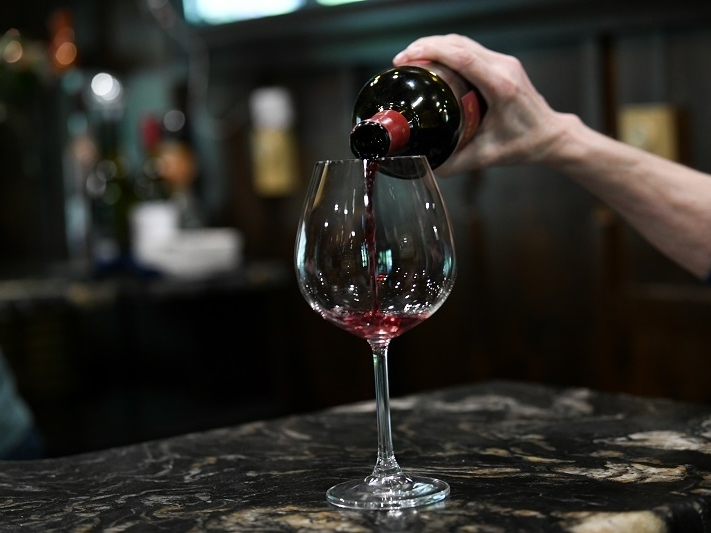
Although alcohol acts as a depressant and can make you feel tired initially, it ultimately leads to shorter, lower-quality sleep.
Take a look at a few key points highlighted by Georges A Ghacibeh, M.D.,, Sleep Medicine Specialist.
- Disrupts Sleep Cycles: Alcohol reduces restorative rapid eye movement (REM) sleep, which is vital for memory and feeling rested. As the alcohol wears off overnight, it can cause a rebound of vivid, stressful dreams and frequent awakenings.
- Decreases Sleep Quality: The article, citing neurologist Dr. Georges Ghacibeh, notes that even small amounts of alcohol can harm sleep quality.
- A small serving can decrease sleep quality by 9.3%.
- A moderate serving can decrease it by 24%.
- A large serving can decrease it by 39.2%.
- Worsens Sleep Disorders: Alcohol can induce insomnia symptoms by fragmenting sleep. It also worsens sleep apnea by relaxing throat muscles, which can increase the risk of airway collapse and heavy snoring by 25%.
- Dangerous Interactions: Mixing alcohol with sleep medications (like Ambien, Benadryl, or even melatonin) is dangerous because it amplifies the depressant effects on the central nervous system.
This post is an advertorial piece contributed by a Patch Community Partner, a local brand partner. To learn more, click here.