Politics & Government
Free College Tuition For Some, Senior Tax Breaks Coming To NJ
These new additions to the 2022 Garden State budget come on the heels of the middle class tax rebate coming in July.


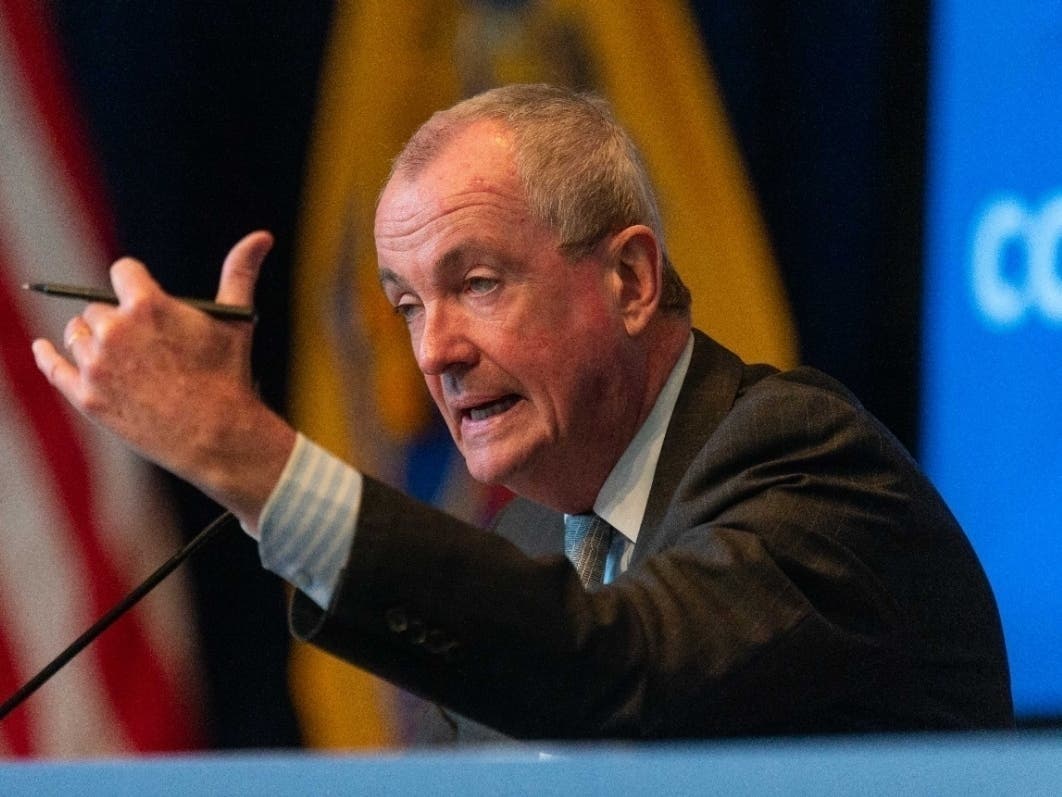
NEW JERSEY — Gov. Phil Murphy reached an agreement with state legislative leaders to add free tuition for certain students and tax breaks for seniors to the 2022 budget. The "Garden State Guarantee" would provide two years of free tuition at New Jersey's state universities for students from households making less than $65,000 per year.
The budget, if passed, would also guarantee tuition discounts that will phase out on a sliding scale for students with household incomes between $65,000 and the higher-income thresholds defined by the eligible institutions. Murphy's administration expects the program, which adds $50 million to the budget, to benefit tens of thousands of New Jersey students.
Committees cleared the record $46.4 billion state budget, which increases spending by nearly 15 percent. Final votes are expected by the end of the week.
Find out what's happening in Parsippanyfor free with the latest updates from Patch.
Tuition would become free for New Jersey students in their third and fourth years at the state's public colleges and universities. Murphy signed an arrangement with the same income threshold into law for students at community colleges in February.
“In our continued drive to build a more resilient post-pandemic future for our state, this budget lays the foundation for a more affordable New Jersey where everyone has the opportunity to prosper from young adulthood well into retirement,” Murphy said.
Find out what's happening in Parsippanyfor free with the latest updates from Patch.
Murphy announced the agreement Tuesday with Senate President Stephen Sweeney and Assembly Speaker Craig Coughlin. The arrangement also includes a component that will raise the amount of retirement income seniors can exclude from taxation, including pensions, annuities and other retirement income.
Currently, New Jersey excludes retirement income up to $100,000 from taxation. The budget agreement and accompanying legislation would increase the exclusion threshold to $150,000.
Those with income between $100,000 and $125,000 will be eligible for up to 50 percent of the maximum deduction of $100,000, depending on filing status. In addition, those with income between $125,000 and $150,000 would become eligible for up to 25 percent of the maximum deduction of $100,000.
The state would forgo $111 million in revenue with the retirement provisions, but Murphy's administration says it would aid about 69,000 senior taxpayers.
Jack Ciattarelli, New Jersey's Republican candidate for governor, alleged a lack of transparency in the process of creating the budget.
"Under a Ciattarelli administration, I will veto any bill sent to my desk that has not been made available to the public and noticed for consideration at least one week before a committee vote," Ciattarelli said. "No more backroom deals that disrespect the taxpayers, stifle free press and embarrass our state."
The budget also features tax deductions and matching payments in efforts to make college more affordable for certain students. Tax deductions — with an estimated cost of $87 million in annual forgone revenue — would include:
- Up to $10,000 into an NJ Better Education Savings Trust (NJBEST) 529 account for households earning up to $200,000.
- Up to $10,000 for in-state tuition for households earning up to $200,000.
- Payments of interest and principal toward New Jersey College Loans to Assist State Students of up to $2,500 per year for households earning up to $200,000.
To encourage college savings for lower-income residents, the state would also provide $10 million in matching payments of up to $750 for taxpayers with incomes lower than $75,000 when they make a contribution to open a new NJBEST 529 College Savings account.
In New Jersey, the deal struck by lawmakers also includes a $500 rebate to married parents filing a joint tax return or who identify as head of household or as a surviving spouse. The parents must have at least one child and earn a maximum of $150,000. The rebate threshold is $75,000 for single parents or each parent who files separate returns. The parent must have a gross income tax liability greater than zero.
Get more local news delivered straight to your inbox. Sign up for free Patch newsletters and alerts.