Health & Fitness
5 NJ Facilities Under Microscope After Deadly Virus Outbreak
NJ pediatric care facilities are getting an "assessment" after 9 children died and 26 people were sickened by a deadly virus, officials say.


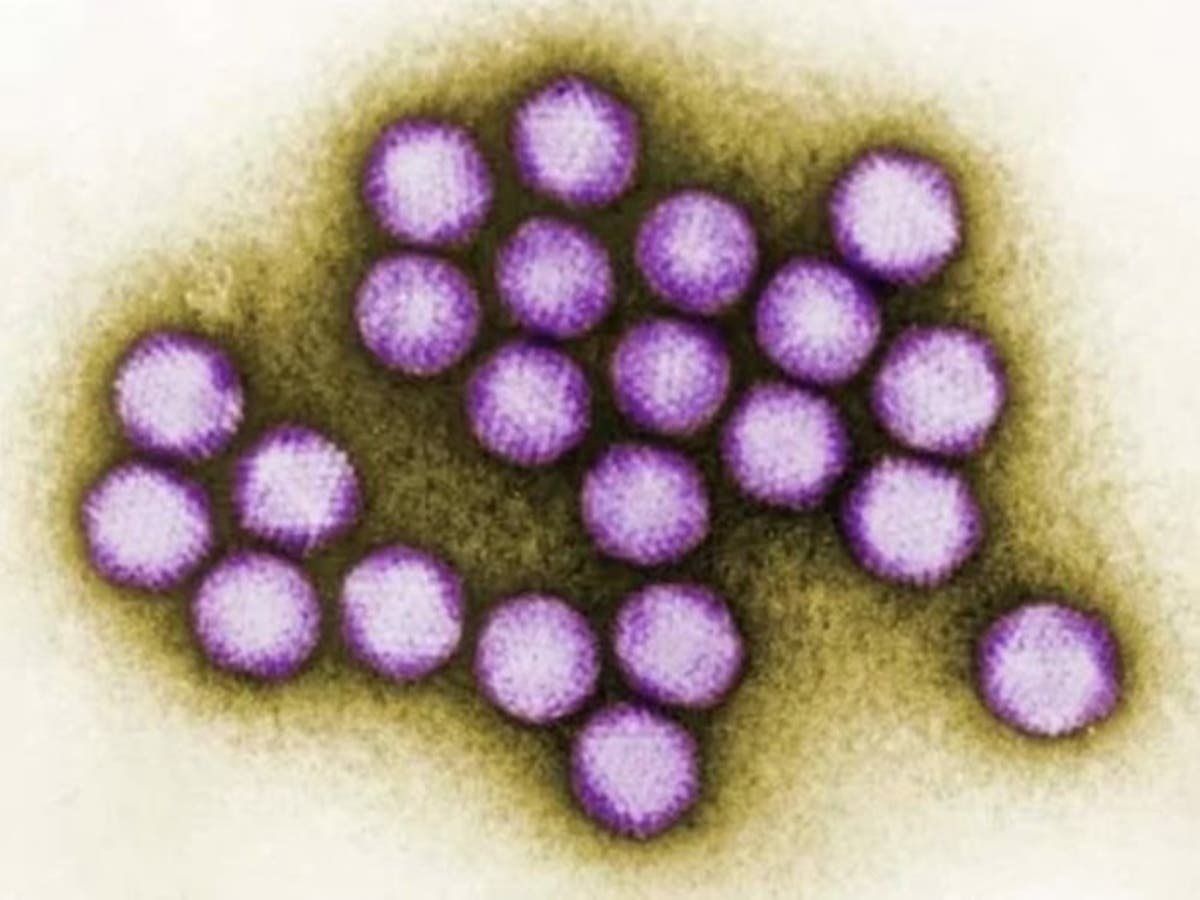
Four New Jersey pediatric care facilities and one hospital are now under the state's microscope after nine children died and 26 people were sickened by a deadly virus over the past month.
A Department of Health team of infection control experts and epidemiologists will visit University Hospital in Newark and four pediatric long-term care facilities in November to conduct training and assessments of infection control procedures, Commissioner Dr. Shereef Elnahal has announced.
Find out what's happening in Point Pleasantfor free with the latest updates from Patch.
The team of experts will visit University Hospital, the Wanaque Center for Nursing & Rehabilitation in Haskell, Voorhees Pediatric Facility in Voorhees and Children’s Specialized Hospital in Toms River and Mountainside. The department reached out to the facilities last week to schedule visits in November.
The decision comes after nine children at a Wanaque facility have died since an outbreak of the adenovirus was declared there. Victims became sick between Sept. 26 and Oct. 22. Authorities confirmed that the virus killed eight of the nine kids.
Find out what's happening in Point Pleasantfor free with the latest updates from Patch.
Twenty-six kids and a staff member, who has since recovered, have become ill as part of the outbreak, state health officials said. Laboratory tests confirmed the 26th case.
Read more: Families Would Be Notified Quickly Of Outbreaks If Bill Passes
Last week, the New Jersey Department of Health announced it was investigating four Acinetobacter baumannii cases in the neonatal intensive care unit (NICU) of University Hospital in Newark, authorities announced.
According to the DOH, a premature baby with the bacteria who had been cared for at University Hospital was transferred to another facility and passed away toward the end of September, prior to the department's notification of problems in the NICU.
Read more: Bacteria In Newark Hospital NICU; Baby's Death Being Probed: DOH
Shereef Elnahal, the state's health commissioner, said facility outbreaks are not always preventable, "but in response to what we have seen in Wanaque, we are taking aggressive steps to minimize the chance they occur among the most vulnerable patients in New Jersey."
"Pediatric long-term care facilities such as the Wanaque Center, and University Hospital’s neonatal ICU, take care of extremely medically fragile infants and children," he said..
Elnahal said the department will deploy its Infection Control Assessment and Response (ICAR) team to Wanaque and all similar facilities, as well as University Hospital. ICAR teams are experts in infection control, conducting 160 voluntary, on-site assessments in hospitals, long-term care and outpatient facilities, dialysis centers and even Ebola treatment units.
State Epidemiologist and Assistant Commissioner Tina Tan said the multi-disciplinary team has previously visited two of the four pediatric facilities – Voorhees in May and Wanaque in 2016 – as per the facilities' requests.
The ICAR conducts voluntary, non-regulatory assessments of infection prevention practices and takes a collaborative approach to highlight and share what facilities are doing well, and identify opportunities to improve, officials say.
The assessments will focus on prevention of health facility-acquired infections and breaches of infection control through adherence to best practices and state and federal requirements, officials say.
“I am encouraged by the proactive approach Commissioner Elnahal is taking to ensure the well-being of medically-fragile children cared for by facilities throughout New Jersey,” said Sen. Joseph Vitale, chairman of the Senate Health, Human Services and Senior Citizens Committee. “The Department continues to be forthcoming and keeps me regularly apprised of the progress of their investigation.
"I'm thankful that he agrees with me that his department should carry out this education and training program in facilities like Wanaque and ensure that they are complying with all infection control protocols. I am confident in the capability of the professionals in the Department of Health to get to the bottom of this terrible outbreak and explain to us how this happened and more importantly recommend ways in which it can be prevented in the future."
Adenoviruses can cause a wide range of illnesses such as:
- Common cold
- Sore throat
- Bronchitis (a condition that occurs when the airways in the lungs become filled with mucus and may spasm, which causes a person to cough and have shortness of breath)
- Pneumonia (infection of the lungs)
- Diarrhea
- Pink eye (conjunctivitis)
- Fever
- Bladder inflammation or infection
- Inflammation of stomach and intestines
- Neurologic disease (conditions that affect the brain and spinal cord)
Adenoviruses can cause mild to severe illness, though serious illness is less common. People with weakened immune systems, or existing respiratory or cardiac disease, are at higher risk of developing severe illness from an adenovirus infection, according to the Centers for Disease Control and Prevention.
CDC photoGet more local news delivered straight to your inbox. Sign up for free Patch newsletters and alerts.