Health & Fitness
Mysterious 'Polio-Like' Illnesses Expand In New Jersey: CDC
The CDC says it's concerned about a sharp uptick in cases of a "polio-like" illness that's appeared in at least 31 states, including NJ.


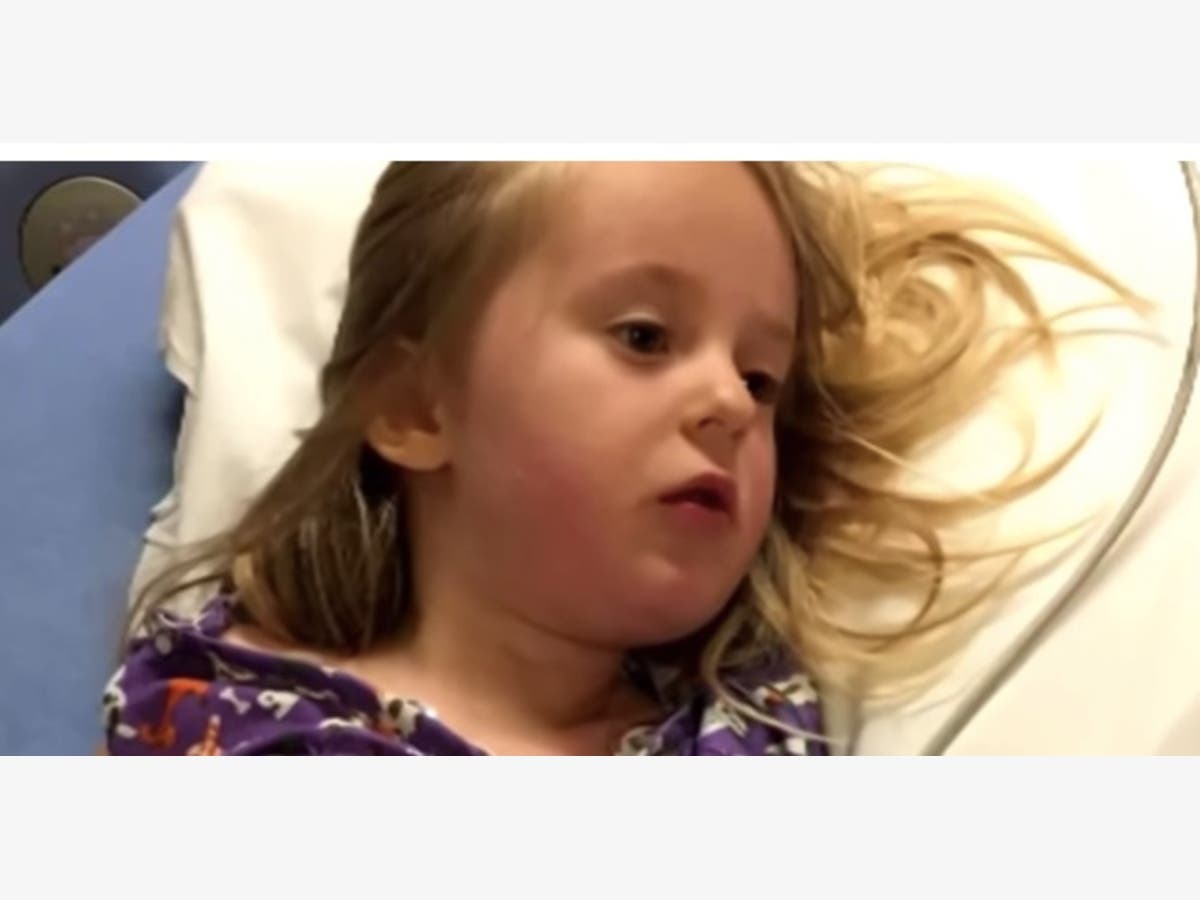
A "polio-like" illness has now infected people in at least 31 states – including New Jersey – and it's worrying federal health officials who say the rare disease has sickened at least 116 people in recent months.
Just two months ago, the number of people sickened by acute flaccid myelitis (AFM) in the United States was 38, and the disease impacted 16 states, according to the Centers for Disease Control and Prevention.
Acute flaccid myelitis has sickened six people in New Jersey this year. That's double the number that was reported two months ago when there were three confirmed cases, according to Donna Leusner, a spokeswoman for the state Department of Health.
Find out what's happening in Point Pleasantfor free with the latest updates from Patch.
Dawn Thomas, a spokeswoman for the DOH, released this statement:
"The department has joined the Centers for Disease Control and Prevention's effort to enhance surveillance for Acute Flaccid Myelitis (AFM), requesting that clinicians voluntarily report suspect cases to us.
Find out what's happening in Point Pleasantfor free with the latest updates from Patch.
"We have asked that they remain vigilant for suspect cases of AFM and to report them to the Department. We have worked with healthcare providers who have reported suspect cases to us and are working closely with CDC to investigate these reports.
"Surveillance has shown that AFM cases generally peak in the months of September and October. The cause of most AFM cases remains unknown.
"CDC Director Robert R. Redfield, M.D., announced on Nov. 19 the establishment of an Acute Flaccid Myelitis Task Force to aid in the ongoing investigation to define the cause of, and improve treatment and outcomes for, patients with AFM."
In New Jersey and elsewhere, most of the cases have happened within the past four months, according to the CDC and health officials from various states.
Texas has the most number of cases – 14 – while Pennsylvania has eight. In October, Illinois Department of Public Health said there were nine "clinically diagnosed" cases — all children — of AFM in northern Illinois.
The CDC has seen a rise in cases not just in recent months, but also since 2014 – and New Jersey has had 13 cases since then.
AFM is a rare but serious condition that affects the nervous system, specifically the area of spinal cord called "gray matter," which causes the muscles and reflexes in the body to become weak, according to the CDC.
This condition is not new, but the increase in cases the CDC has seen starting in 2014 is new, the agency says.
Most people will have sudden onset of arm or leg weakness and loss of muscle tone and reflexes. Some people, in addition to arm or leg weakness, will have:
- facial droop/weakness,
- difficulty moving the eyes,
- drooping eyelids, or
- difficulty with swallowing or slurred speech.
Numbness or tingling is rare in people with AFM, although some people have pain in their arms or legs. Some people with AFM may be unable to pass urine, according to the CDC.
The most severe symptom of AFM is respiratory failure that can happen when the muscles involved with breathing become weak. This can require urgent ventilator support. In very rare cases, it is possible that the process in the body that triggers AFM may also trigger other serious neurologic complications that could lead to death, according to the CDC.
If you or your child develops any of these symptoms, you should seek medical care right away. Your doctor may collect information about your symptoms and send this information to their health departments.
AFM or similar neurologic conditions may have a variety of possible causes such as viruses, environmental toxins, and genetic disorders. Certain viruses that can cause AFM or similar neurologic conditions are:
- poliovirus and non-polio enteroviruses,
- West Nile virus (WNV) and viruses in the same family as WNV, specifically Japanese encephalitis virus and Saint Louis encephalitis virus, and
- adenoviruses.
There is no specific treatment for AFM, but a doctor who specializes in treating brain and spinal cord illnesses may recommend certain interventions on a case-by-case basis, according to the CDC.
For more information on what CDC is doing, see the AFM Investigation page.
Here is more about the illness:
YouTube photo/video
Get more local news delivered straight to your inbox. Sign up for free Patch newsletters and alerts.