Kids & Family
Black Bears Are Here to Stay, Here's What You Can Do
New Jersey Department of Fish and Wildlife officials offer Princeton residents tips on how to coexist with black bears.
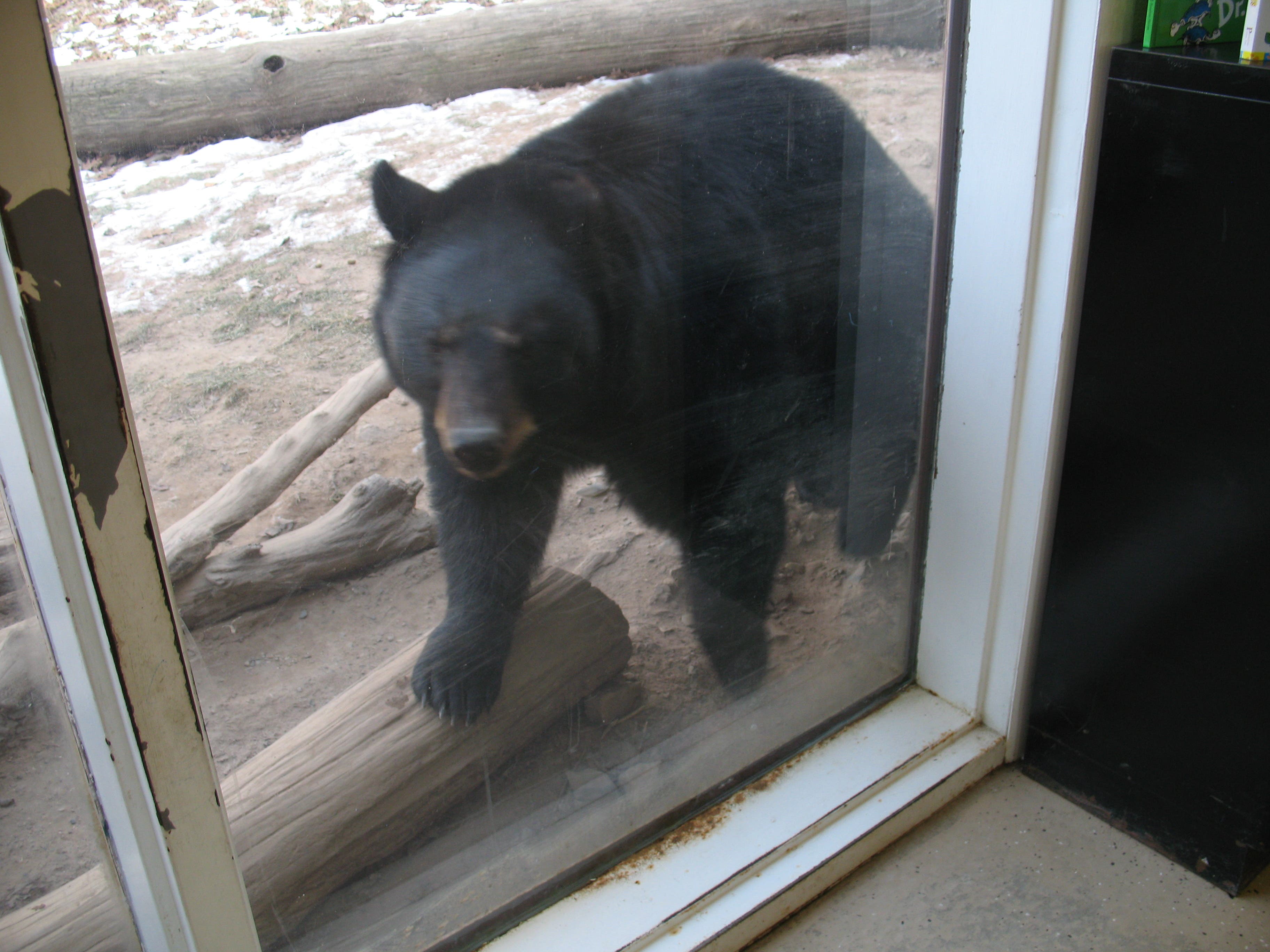

Julet Sabouri was shocked to see a "good-sized bear" roaming across her Princeton Township lawn last week.
“I’ve never had any experiences with wild animals, so you can imagine I was frozen,” Sabouri said, remembering what she saw while walking her dog outside on Wednesday, June 20. Four days later, she saw a neighbor's dog confront a similar-looking bear.
Find out what's happening in Princetonfor free with the latest updates from Patch.
Sabouri is not alone.
There is a growing number of black bears in New Jersey and Princeton is not immune, say officials from the New Jersey Division of Fish and Wildlife.
Find out what's happening in Princetonfor free with the latest updates from Patch.
Most residents are familiar with last month's exploits of the small black bear that wandered throughout the Borough and the Township. The bear roamed the woods, walked through parking lots, crossed residents' yards and even climbed a tree in the Princeton Cemetery.
It's likely that last months' bear was the same one killed shortly thereafter along Route 95 in Ewing, but that does not mean it's the end of bears in Princeton.
On Tuesday, officials from the state's Black Bear Project came to Princeton to educate residents about what to do if and when they encounter a black bear.
About a dozen residents attended the presentation at the Princeton Township Municipal Complex.
“We have a lot of bears in this state and we will continue to have a lot of bears in this state," said Kelcey Burguess of the Black Bear Project. "That’s the way it’s going to be.”
The following tips are courtesy of Burguess and Michelle Smith of the Black Bear Project:
- Never feed bears.
- Use bear-resistant garbage disposal containers.
- If you aren’t using bear-resistant containers, wash your garbage cans weekly with disinfectant solution.
- If you use bird feeders, hang them 10 feet off the ground, put a spill pan underneath and empty it regularly and take it bird feeder down at night.
- Walk your dog on a leash.
- Clean outdoor grills and utensils, secure them (in a garage for example) and dispose of grill grease properly.
- Compost vegetable matter only.
- Consider building an electric fence around gardens, livestock, beehives, etc.
If you do encounter a bear, Smith and Burguess recommend that you remain calm, clap your hands and speak aggressively and raise your hands in the air to intimidate the bear. Back away slowly without making direct eye contact. Do not play dead. Call 911 or the Department of Environmental Protection Hotline, 1-877-WARNDEP (1-877-927-6337).
For more information, read the state's Bear Safety Tips.