Health & Fitness
The Changing Tax Landscape - Part 1
If you think what happens in Washington doesn't filter down directly to your own pocketbook, think again.

If you think what happens in Washington doesn't filter down directly to your own pocketbook, think again. What Congress does with taxes in the upcoming months could have a significant effect on your finances.
Stay with me as we take the first of a three-part look at the changing tax landscape and what it could mean to your financial planning.
Find out what's happening in Princetonfor free with the latest updates from Patch.
THE NATIONAL DEFICIT
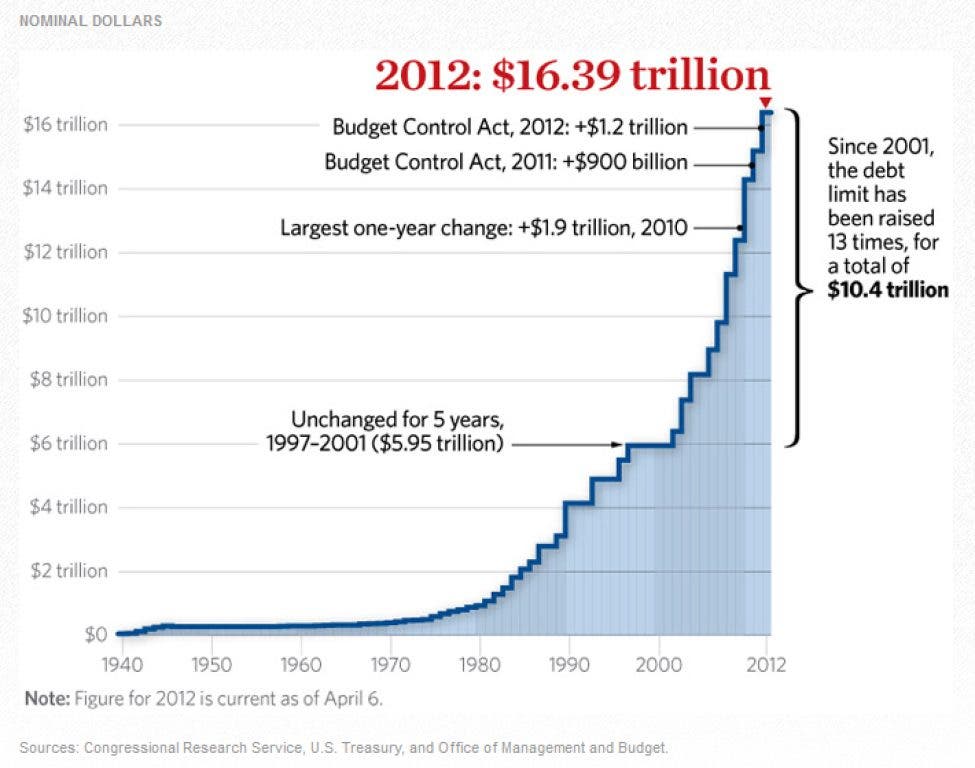
Our nation’s federal deficit exceeds $15 trillion. When Congress is forced to address the debt ceiling again in 2013, our national debt will be well over $17 trillion.
Find out what's happening in Princetonfor free with the latest updates from Patch.
The typical American household would have paid nearly all of its income in taxes last year to balance the budget if the government used standard accounting rules to compute the deficit—a total of $5 trillion. The government ran a deficit last year equal to $42,054 per household — nearly four times the official number reported under unique rules set by Congress.
In the span of less than four years, we have accumulated ten times more debt than any time in U.S. history.
Recent market concerns have been concentrated around the troubled Euro, unemployment and lack of spending, however not much in the way of our mounting government debt.
TAX BRACKETS
Today our highest federal tax bracket is at 35 percent, which is historically low. Since 1913, the highest average federal tax bracket was above 60 percent. It has become evident that tax rates (along with interest rates) have nowhere to go but up.
The Bush-era tax cuts – enacted in 2001 and 2003 – are scheduled to expire at the end of this year. Unless Congress acts, most taxpayers will see rate increases and exemption decreases. This will result in the need to significantly re-engineer financial plans, estate plans, and tax planning strategies.
To top this off, the two presidential candidates want to move the top capital gains tax rate in opposite directions. Mitt Romney proposes keeping the current 15 percent capital gains rate for the estimated two percent of households making more than $200,000 a year and eliminating investment taxes for everyone else. President Obama wants the rate to rise to 23.8 percent as scheduled in 2013.
What are these specific changes scheduled to take place beginning in 2013? In my next post, I will list the three specific changes that I feel will have the biggest impact on your financial planning.
Robert A. Connell is President and CEO of Apex Financial Advisors, Inc. http://www.AFA-inc.com