

Buy Local has become the small business meme of this decade, but what does that mean for a small town? Does it mean buying from brick-and-mortar businesses in this online shopping era, or patronizing only independent businesses?
Historic towns and villages all over the country are fighting the growth of chain stores in their communities, as shown in this New York Times article. They believe these types of establishments remove the charm and authenticity of their municipalities. Even though chains are brick-and-mortar, they don’t consistently translate to being local.
Find out what's happening in Princetonfor free with the latest updates from Patch.
While chains do provide jobs by hiring locally, the revenue made isn’t reinvested back into the community. However, small business owners are more likely to donate to non-profits (i.e. schools and the arts), spend some of their earnings in town, personal taxes are paid locally, etc.
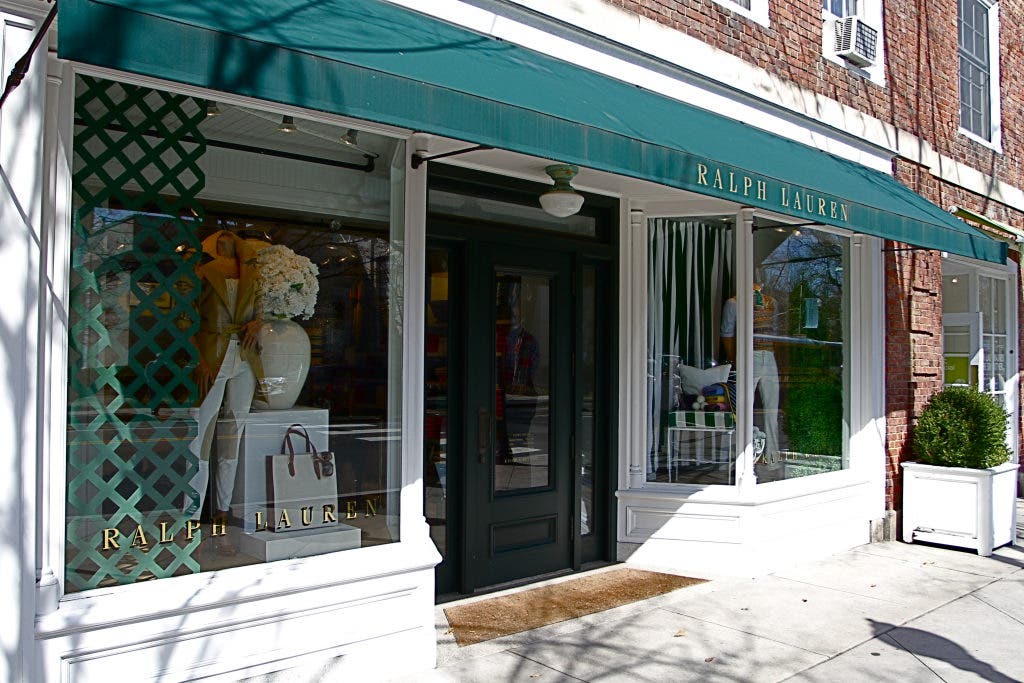
Brooks Brothers will be replacing Banana Republic, and Urban Outfitters may also be coming to town in the Talbots spot after their two locations merge. Add these to Design Within Reach, Ralph Lauren, J. Crew, Kate Spade, Lindt Chocolates, Origins, Ann Taylor, et al, and it sounds like Princeton has a nice mall in town. But we all know this isn’t the case.
Find out what's happening in Princetonfor free with the latest updates from Patch.
When Burger King left town several years ago, I thought it might’ve been part of a plan to weed out fast food franchises. Considering Subway opened a while back, Qdoba just opened last summer and Cheeburger Cheeburger will be opening soon, this proves my theory wrong.
This triggered the memory I have of a small Connecticut city. Stamford had a vibrant downtown including local shops, lots of restaurants, a theatre, and a museum, much like Princeton. Bedford Street was equivalent to Nassau Street until the Stamford Town Center opened adjacent to it in 1982. It was a mall that brought in big name stores, i.e. FAO Schwarz, Abercrombie & Fitch (the original concept), and Williams-Sonoma, anchored then by Saks Fifth Avenue, Macy’s, and J.C. Penney’s. As a result, The New York Times featured an article about the mall titled A Town Sells Off Pieces of its Soul.
Princeton does NOT have a mall, but it does have many chains and franchises that are often mall tenants. It’s my belief that our zoning and planning departments consider chains an asset, but what about Princetonians? Are they ambivalent about the topic? Has Princeton sold off pieces of its soul to be more cosmopolitan, or does it maintain the right mix of chains and local businesses?
The Buy/Shop Local movement is gaining traction across the country. Hometown Princeton and Small Business Saturday (thanks to American Express) are certainly trying to influence people to patronize the independents, and they help even out the playing field a bit with their shop localcampaign. After all, isn’t there supposed to be some sort of home court advantage? Local businesses understand the community’s culture. Unfortunately in this economy, the bottom line is price, and chains have more buying power and powerful advertising as an advantage.
Mrs. G’s in Lawrenceville is combatting this problem by being a member of a national buying group offering competitive pricing to go head to head against the big box stores. The small business owners of The Terra Momo Restaurant Group and Hamilton Jewelers have multiple locations, and can benefit from their buying power and/or long-standing presence in the community, but what happens the rest, especially newcomers?
Looking at the downtown areas of Hopewell Borough, Pennington, and Lawrenceville, it’s clear that they are striving to keep their charm without chains, yet they still have healthy central business districts, proving that it’s not necessary to bring in the big guns. And yes, Mercer Mall in Lawrenceville, is home to many formula stores and franchises, but the businesses in the Main Street Historic District is still able to maintain the feel of Americana.
Should Princeton fight to keep out chains to preserve its historic charm and be more sustainable, or embrace them to give customers the brands/services/food they want? Chains could lessen the need to travel to malls or the city, reducing our carbon footprint. Does buy local mean shop in town or only buy from independent businesses? What are your thoughts?