Neighbor News
Cracked Corners of Your Mouth? It Could Be Angular Cheilitis
A painful crack at the corner of your mouth may seem like nothing more than dry or chapped lips. But when the area keeps splitting, pls read

Cracked Corners of Your Mouth? It Could Be Angular Cheilitis
A painful crack at the corner of your mouth may seem like nothing more than dry or chapped lips. But when the area keeps splitting, burning, crusting, or returning, something else may be going on.
One common possibility is angular cheilitis, an inflammatory condition that affects one or both corners of the mouth.
Find out what's happening in Princetonfor free with the latest updates from Patch.
Although it can resemble chapped lips or even a cold sore, angular cheilitis is different. Understanding what causes it can help you determine when simple home care may be enough and when it is time to see a dentist or healthcare professional.
What Is Angular Cheilitis?
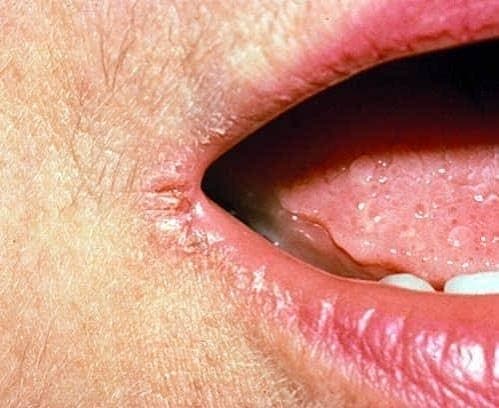
Angular cheilitis causes inflammation where the upper and lower lips meet.
Find out what's happening in Princetonfor free with the latest updates from Patch.
Symptoms may include:
- Redness at one or both corners of the mouth
- Cracking or splitting
- Burning or tenderness
- Pain when opening your mouth
- Crusting or scabbing
- Moist or irritated skin
- Occasional bleeding
The constant movement involved in talking, smiling, yawning, and eating can repeatedly reopen the cracks, making the condition particularly frustrating.
Why Do the Corners of My Mouth Keep Cracking?
There isn't always one single cause.
Moisture is often an important part of the problem. Saliva can collect in the corners of the mouth, particularly when someone frequently licks their lips or has facial folds that trap moisture.
The skin becomes irritated and begins to break down. Once that protective barrier is damaged, yeast or bacteria may contribute to further inflammation.
Other possible contributing factors include:
- Dry or irritated skin
- Frequent lip licking
- Drooling during sleep
- Dry mouth
- Poorly fitting dentures
- Missing teeth or changes in the bite
- Yeast overgrowth
- Bacterial involvement
- Certain nutritional deficiencies
- Some underlying medical conditions
That is why repeatedly covering the area with lip balm without determining the underlying cause may not always solve the problem.
Is Angular Cheilitis the Same as Chapped Lips?
No.
Chapped lips generally cause dryness, peeling, or cracking across a larger portion of the lips.
Angular cheilitis tends to concentrate specifically at the corners of the mouth.
If the center of your lips feels relatively normal but one or both corners repeatedly become red, split, or painful, angular cheilitis may be worth considering.
Angular Cheilitis or Cold Sore?
This is another common source of confusion.
Cold sores are caused by the herpes simplex virus and often develop as groups of fluid-filled blisters on or around the lips. Some people experience tingling or burning before a cold sore appears.
Angular cheilitis usually produces cracks and inflammation directly at the corners of the mouth rather than the classic fluid-filled blisters associated with cold sores.
Angular cheilitis itself is generally not considered contagious in the way a herpes cold sore is.
Because different conditions around the lips can look similar, however, avoid self-diagnosing a persistent or unusual lesion.
Can Dentures Cause Cracks at the Corners of Your Mouth?
They can contribute.
Dentures that no longer fit properly can change the relationship between the upper and lower jaws. Reduced facial support may create deeper folds at the corners of the mouth.
Saliva can then accumulate in those folds and continually irritate the skin.
This is one reason recurrent angular cheilitis in someone who wears dentures deserves a dental evaluation.
A dentist can assess the fit of the dentures, bite, facial support, oral tissues, and other factors that may be contributing to the problem.
Can Missing Teeth Contribute?
Missing teeth may also change the bite and facial support.
When the vertical relationship between the upper and lower jaws changes, deeper creases can develop near the mouth.
For some patients, those creases create an environment where saliva repeatedly collects.
Treating the skin alone may therefore provide temporary improvement without addressing the reason the irritation keeps returning.
Can Vitamin Deficiencies Cause Angular Cheilitis?
Nutritional deficiencies can sometimes be associated with angular cheilitis, including deficiencies involving iron and certain B vitamins.
However, cracked mouth corners do not automatically mean you have a vitamin deficiency.
Persistent or recurrent symptoms should be evaluated appropriately rather than attempting to diagnose a nutritional deficiency based on appearance alone.
How Long Does Angular Cheilitis Last?
Many uncomplicated cases improve within approximately one to two weeks once the underlying cause is identified and appropriately managed.
Healing time varies.
If the irritation continues because of saliva, lip licking, an improperly fitting dental appliance, infection, or another unresolved factor, the cracks may repeatedly reopen.
That is often the bigger clue: angular cheilitis that keeps returning deserves further investigation.
What Can You Do at Home?
Mild irritation may benefit from simple supportive measures.
Consider:
- Avoiding licking the corners of your mouth
- Keeping the area clean
- Protecting irritated skin with an appropriate barrier
- Staying adequately hydrated
- Avoiding picking at cracks or scabs
- Keeping dentures and removable dental appliances clean
- Following your dentist's instructions regarding denture wear
Avoid automatically applying antifungal, antibiotic, or steroid medications without knowing what is causing the problem.
Different causes can require different treatments.
When Should You See a Dentist?
Consider scheduling an evaluation if:
- The cracks persist for more than one to two weeks
- The condition repeatedly returns
- Opening your mouth causes significant pain
- The corners bleed or continually reopen
- You notice significant crusting or other changes
- Your dentures feel loose or uncomfortable
- You have missing teeth or changes in your bite
- You also experience persistent dry mouth
- The lesion looks unusual or continues to worsen
A dentist can examine more than just the irritated skin.
Your bite, teeth, dentures, saliva, oral tissues, hygiene, and other factors can provide clues about why the problem keeps developing.
Why Recurring Cracked Lip Corners Shouldn't Be Ignored
One of the biggest mistakes people make is assuming every crack at the corner of the mouth is simply caused by winter weather or dry lips.
Sometimes it is.
But recurring angular cheilitis may signal an unresolved local or systemic factor.
Instead of repeatedly treating the visible crack, the goal should be to determine why the skin keeps breaking down in the first place.
That may mean improving moisture control, addressing an oral habit, evaluating dentures, treating an infection when clinically appropriate, correcting a dental issue, or involving a physician when another health concern is suspected.
Learn More About Angular Cheilitis
Dent Blanche Dental has published a more comprehensive patient guide explaining the symptoms, causes, healing timeline, treatment options, prevention strategies, and differences between angular cheilitis and cold sores.
Schedule an Evaluation at Dent Blanche Dental
If the corners of your mouth are painful, repeatedly cracking, or simply aren't healing, don't keep guessing about the cause.
At Dent Blanche Dental in Princeton, New Jersey, Dr. Radwa Saad and the dental team can evaluate your oral health, bite, dental appliances, and other potential contributing factors to help determine the appropriate next step.
Dent Blanche Dental
3640 Lawrenceville Rd
Princeton, NJ 08540
Call: 609-890-1888
Visit us at https://dentblanchedental.com
Schedule online:
https://dentblanchedental.com/request-appointment/
New patients are welcome.
Found this information helpful?
Share this article with friends and family who may be dealing with cracked or irritated corners of the mouth. A simple share could help someone recognize angular cheilitis and know when to seek professional care.