Health & Fitness
Here's How Many Pain Pills Princeton Pharmacies Receive
A DEA database shows where more than 70 billion painkillers were sent. Here's how many pills Princeton pharmacies received.


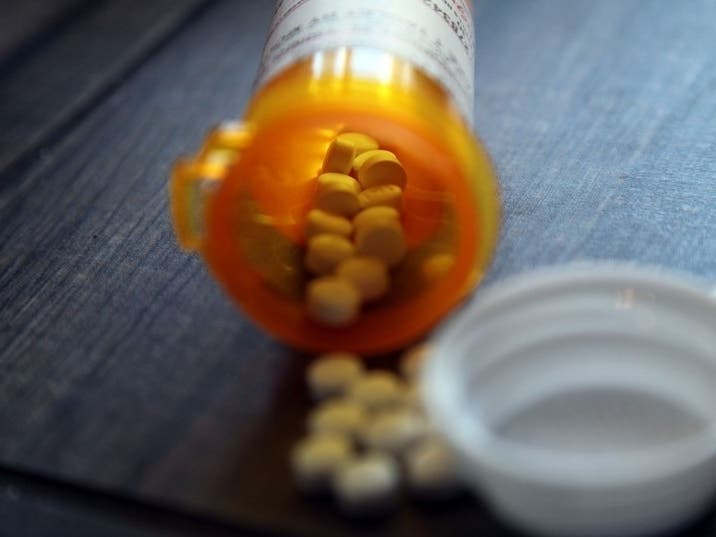
PRINCETON, NJ — A new report shows billions of painkillers flowed through nearly 83,000 pharmacies across the country, including many in Princeton. A previously unreleased database managed by the federal Drug Enforcement Administration logged where roughly 70 billion pills containing oxycodone and hydrocodone were shipped to, The Washington Post reported Monday.
While the database doesn’t specify what happened after the pharmacies received the shipments, it does illuminate the sheer number of pills that flooded communities. The data includes numbers from 2006 to 2012, the Post reported. Chain and retail pharmacies were included.
The database said 5 pharmacies within five miles of Princeton received more than 2 million pills from 2006 to 2012.
Find out what's happening in Princetonfor free with the latest updates from Patch.
Here’s what the database found for the individual pharmacies:
CVS Pharmacy
881 Route 206, Princeton
Pills received: 592,600
Find out what's happening in Princetonfor free with the latest updates from Patch.
Rite Aid
301 North Harrison St., Princeton
Pills received: 342,480
The Forer Pharmacy
160 Witherspoon St., Princeton
Pills received: 440,300
CVS Pharmacy
172 Nassau St., Princeton
Pills received: 459,760
The Princeton Pharmacy
36 University Place
Pills received: 165,980
Five pharmacies in Kentucky, Illinois, Idaho and Kansas received the most painkillers per person each year, the Post found. With a total of nearly 6.8 million pills, Shearer Drug in Clinton County, Kentucky, saw the most pills per person per year at 96.
Areas deluged with pain pills saw far higher death rates related to opioids, the Post found. While the national rate was 4.6 deaths per 100,000 residents, counties that received the most pain pills per person saw rates that were more than three times higher.
Perhaps the most startling finding was that just 15 percent of pharmacies received nearly half of the pain pills.
According to the latest provisional data from the federal Centers for Disease Control and Prevention, there were nearly 68,000 drug overdose deaths in the United States last year, a 5 percent decline from 2017. The agency predicted that number will rise to more than 680,000 once all data is reported to them.
In its previous report in July, the Post said 75 percent of the pills distributed in the seven-year period came from six companies with pharmacies: McKesson Corp., Walgreens, Cardinal Health, AmerisourceBergen, CVS and Walmart. Four other companies were identified by the paper as being among the top 10 distributors of opioids: Smith Drug Co., Rite Aid, Kroger and H.D. Smith.
Patch national staffers Dan Hampton and Feroze Dhanoa contributed to this report.
Have a news tip? Email alexis.tarrazi@patch.com.
Get Patch breaking news alerts sent right to your phone with our new app. Download here.
Get more local news delivered straight to your inbox. Sign up for free Patch newsletters and alerts.