Community Corner
Mercer Residents Sue West Windsor Over Approval Of Massive Warehouse
The lawsuit seeks to overturn approval for the 5.5- million-square-foot warehouse on Quakerbridge Road.


MERCER COUNTY, NJ – Two Mercer County residents are seeking to overturn West Windsor’s approval of the 5.5- million-square-foot warehouse on Quakerbridge Road.
Plaintiffs Justino Gonzalez and Stacey Joy Fox say the West Windsor planning officials unlawfully approved the Bridge Point 8 Project, which is believed to be the largest in the state.
Gonzalez and Fox have sued West Windsor Township, West Windsor Planning Board, Bridge Point West Windsor, LLC and property owner Clarksville Center LLC., saying the approval was “arbitrary, capricious, unreasonable, and unlawful.”
Find out what's happening in Princetonfor free with the latest updates from Patch.
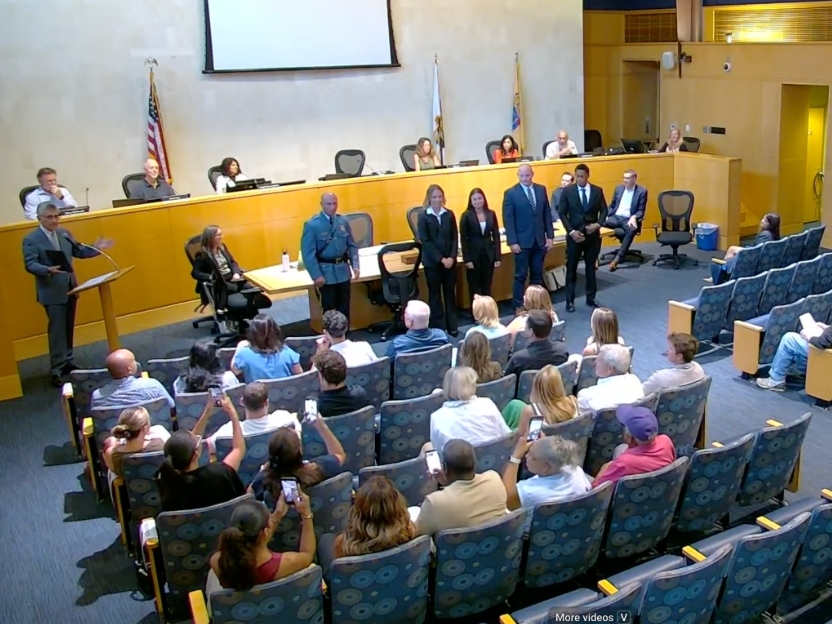
In June last year, the West Windsor Planning Board approved the project, despite strong opposition from residents and those living in neighboring towns. More: Anger Erupts After Approval Of Massive Mercer Co. Warehouse Project
The 5.5- million-square-foot development is being planned on the American Cyanamid tract, on the corner of Route 1 and Quakerbridge Road and within the Planned Commercial Development (PCD) District.
Find out what's happening in Princetonfor free with the latest updates from Patch.
The duo said the township agreed to a plan where the former owner of the site dropped a lawsuit in return for the township adopting zoning amendments that permitted warehouses and distribution centers on the site.
Gonzalez owns property on Clarksville Road and Fox on Berrien Avenue.
In their suit, Gonzalez and Fox allege that the West Windsor Council failed to provide required notices of the ordinance, thus depriving property owners of due process.
The plaintiffs accuse the township of failing to allow sufficient time for public discussion of the project and of conducting an illegal quid pro quo allowing the developer to build seven warehouses at the site. They did this while scrapping a plan to add affordable housing, the suit said.
"The agreement between the Township and applicant represents an impermissible and illegal quid pro quo to award applicant and owner with favorable zoning requirements at the Property in exchange for agreements unrelated to the development of the property," according to the suit.
"Alleging violations of the Township’s constitutional affordable housing obligations via a builder’s remedy lawsuit to extract favorable non-residential zoning requirements subverts the intent and purpose of proper zoning, and is contrary to law."
Gonzalez and Fox have asked the court to invalidate the Planned Commercial District Zone, saying it was "inappropriately promulgated in part due to the settlement of litigation surrounding the Township’s obligation to provide low and moderate income housing."
The Planned Commercial District zone came about after a lawsuit from Princeton Land LLC, who were the former owners. The suit aimed to have the tract rezone so a mixed-use development could be built.
During that time, the property was zoned Research Office Manufacturing-1. Warehouses were only allowed if they were incidental to a permitted use, but standalone warehouses and distribution centers were not allowed. More: Massive Warehouse Development Faces Mercer County Scrutiny
But when West Windsor approved the ordinance to create the Planned Commercial District, it gave way for the developers to file an application to build the massive warehouse, the suit said.
The lawsuit also alleges the township of “spot zoning.” According to suit, the Planned Commercial District ordinance “improperly and illegally singled out the Property for rezoning under the guise of a settlement agreement related to the Township’s affordable housing obligations and the SCO, and therefore constitutes impermissible “spot zoning” and must be set aside.”
Gonzalez and Fox said the ordinance is designed to benefit only the applicant and the owner, who seek to develop the property.
The suit also charges the defendants with violating the public due process rights. The Planned Commercial District ordinance was introduced on Nov. 30, 2020 and the final action was taken on Dec. 9, 2020.
"The decision of the Board not to permit remote public participation at its December 9, 2020 consistency review of Ordinance 2020-25, when it was fully capable of doing so, deprived the public of a meaningful and realistic opportunity to participate in the consistency review, and in so doing violated the public’s constitutional rights to procedural due process, substantive due process, and equal protection," the lawsuit said.
The lawsuit also alleges that the Planning Board did not provide a recording of the hearing.
Despite the green light from West Windsor, the project still awaits approvals from the Department of Environmental Protection and the Department of Transportation.
Have a correction or news tip? Email sarah.salvadore@patch.com
Get more local news delivered straight to your inbox. Sign up for free Patch newsletters and alerts.