Health & Fitness
Coronavirus Surge Expected As Fall, Winter Approach: BLOG
Latest U.S. coronavirus news: NYC schools reopen with "no confidence"; why kids are less affected; U.S passes 7M cases.


ACROSS AMERICA — Health experts are warning of a surge in coronavirus cases and deaths in the United States as the fall season has arrived and winter comes in less than three months.
Dr. Chris Murray of the University of Washington's Institute of Health Metrics and Evaluation said transmitting the virus will be more frequent as people head indoors for the colder months.
"First, as case counts have come down in some states, we tend to see that people become less careful, they tend to have more contact," he said in a CNN report. "But then the most important effect is the seasonality of the virus, that people go indoors, transmission happens more."
Find out what's happening in Princetonfor free with the latest updates from Patch.
Numbers from the university institute's projection show the U.S. coronavirus death toll could nearly double to 371,000 by the end of the year. Daily deaths could top 3,000 by that time, the projection shows.
Count Dr. Anthony Fauci, the nation's top infectious disease expert, as another concerned about how the colder temperatures will affect the virus.
Find out what's happening in Princetonfor free with the latest updates from Patch.
"You don't want to enter into the fall and winter with a community spread, because if you do, you got a difficult situation that's going to be really challenging," he said in an interview JAMA Editor in Chief Dr. Howard Bauchner.
But in the nation's largest school district, it's back to in-person learning this week. New York City public schools, with some 600,000 students across the city's five boroughs, are scheduled to open classrooms on Tuesday.
The city's principals union on Sunday held a "no confidence" vote in Mayor Bill de Blasio, instead urging control of city schools to the state of New York's department of education.
A new study published in the medical journal Science Translational Medicine offers an explanation for why children seem less severely affected by the coronavirus.
The answer? Their immune systems are different.
According to the research, there's actually a branch of a child's immune system designed to protect against unfamiliar pathogens. It's this part that destroys the coronavirus before it wreaks havoc on their bodies.
While every human body is designed to defend against unfamiliar pathogens, children encounter pathogens that are new to their immune systems much more frequently than adults. Additionally, their body's inherent response is fast and overwhelming.
“The bottom line is, yes, children do respond differently immunologically to this virus, and it seems to be protecting the kids,”Dr. Betsy Herold, a pediatric infectious disease expert at New York’s Albert Einstein College of Medicine, said in the study.
Meanwhile in Florida, the state is moving on to another phase of reopening that allows restaurants and bars to operate at full capacity.
"We're not closing anything going forward," Gov. Ron DeSantis said.
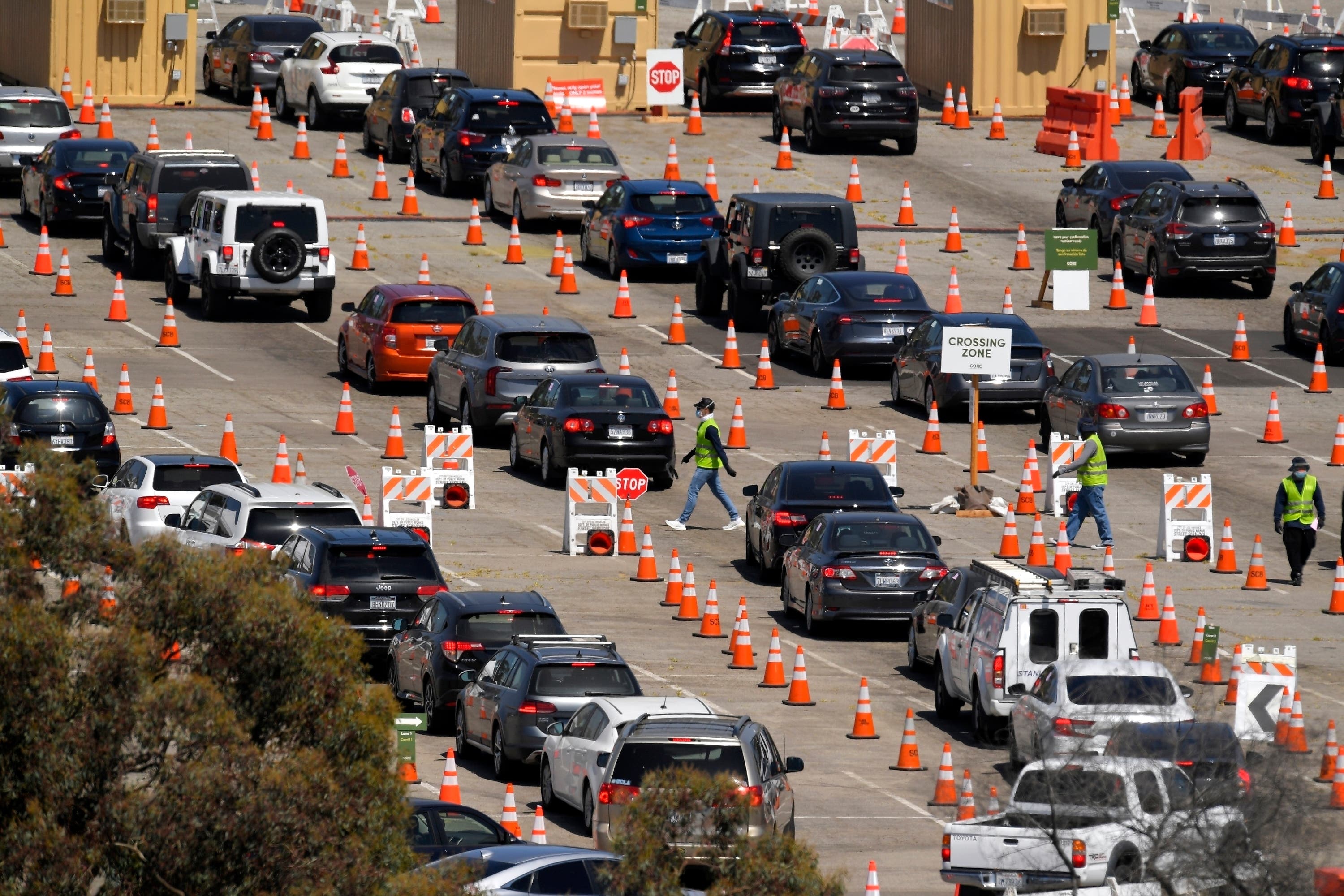
At least 759 new coronavirus deaths and 42,761 new cases were reported in the United States on Saturday, according to a New York Times database. Over the past week, there have been an average of 42,956 cases per day, an increase of 24 percent from the average two weeks earlier.
As of Sunday, 29 states and Puerto Rico remained above the positive testing rate recommended by the World Health Organization to safely reopen. To safely reopen, the WHO recommends states remain at 5 percent or lower for at least 14 days.
More than 7 million people in the United States have tested positive for the coronavirus as of Sunday afternoon, and more than 204,600 have died, according to a tally by Johns Hopkins University.
Stay up to date on current coronavirus news via The New York Times or Washington Post.
Read More From Across America:
Get more local news delivered straight to your inbox. Sign up for free Patch newsletters and alerts.