Neighbor News
10 Proven Health Benefits of Turmeric and Curcumin
Turmeric's nutritional value is hard to match. Many studies have shown numerous benefits for your body and your brain.

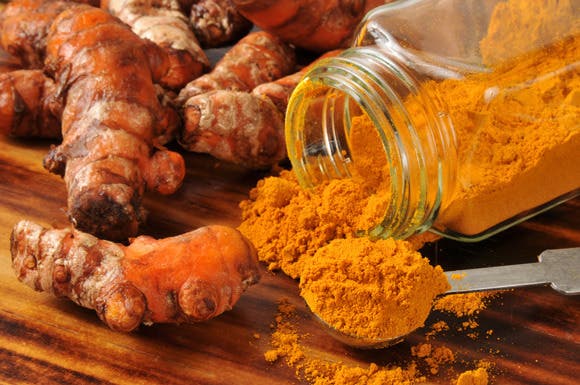
Turmeric’s nutritional value is hard to match. Many studies have shown numerous benefits for your body and your brain.
Here are the top 10 evidence-based health benefits of turmeric:
1. Turmeric Contains Bioactive Compounds With Powerful Medicinal Properties
Find out what's happening in Ramseyfor free with the latest updates from Patch.
These compounds are called curcuminoids, the most important of which is curcumin. Curcumin is the main active ingredient in turmeric.
2. Curcumin is a Natural Anti-Inflammatory Compound
Find out what's happening in Ramseyfor free with the latest updates from Patch.
Reducing inflammation is very important. Many degenerative diseases are promoted by chronic inflammation. This includes heart disease, cancer, metabolic syndrome, Alzheimer’s and various degenerative conditions. Therefore, anything that can help fight chronic inflammation is of potential importance in preventing and even treating these diseases. Curcumin is such a strong anti-inflammatory, it matches the effectiveness of some anti-inflammatory drugs.
3. Turmeric Dramatically Increases The Antioxidant Capacity of The Body
Oxidative damage is believed to be one of the mechanisms behind ageing and many diseases, which involves free radicals, highly reactive molecules with unpaired electrons. Free radicals tend to react with important organic substances, such as fatty acids, proteins or DNA. The main reason antioxidants are so beneficial, is that they protect our bodies from free radicals. Curcumin happens to be a potent antioxidant that can neutralize free radicals due to its chemical structure.
4. Curcumin Boosts Brain-Derived Neurotrophic Factor, Linked to Improved Brain Function and a Lower Risk of Brain Diseases
It was once believed that neurons weren’t able to divide and multiply after early childhood. It is now known that this is not what happens. Neurons are capable of forming new connections, but in certain areas of the brain, they can also multiply and increase in number. One of the main drivers of this process is Brain-Derived Neurotrophic Factor (BDNF), which is a type of growth hormone that functions in the brain. Many common brain disorders have been linked to decreased levels of this hormone. This includes depression and Alzheimer’s disease. Curcumin can increase brain levels of BDNF.
5. Curcumin Leads to Various Improvements That Should Lower Your Risk of Heart Disease
Heart disease is the biggest killer in the world. Curcumin may help reverse many steps in the heart disease process. Perhaps the main benefit of curcumin when it comes to heart disease, is improving the function of the endothelium, which is the lining of the blood vessels. It is well known that endothelial dysfunction is a major driver of heart disease and involves an inability of the endothelium to regulate blood pressure, blood clotting and various other factors.
6. Turmeric Can Help Prevent (And Perhaps Even Treat) Cancer
There are many different forms of cancer, but they do have several common factors, some of which appear to be affected by curcumin supplementation. Researchers have been studying curcumin as a beneficial herb in cancer treatment. It can affect cancer growth, development and spread at the molecular level. Studies have shown that it can reduce angiogenesis (growth of new blood vessels in tumors), metastasis (spread of cancer), as well as contributing to the death of cancerous cells.
7. Curcumin May be Useful in Preventing and Treating Alzheimer’s Disease
Alzheimer’s disease is the most common neurodegenerative disease in the world and a leading cause of dementia. Curcumin has been shown to cross the blood-brain barrier. It is known that inflammation and oxidative damage play a role in Alzheimer’s disease. As we know, curcumin has beneficial effects on both. One key feature of Alzheimer’s disease is a buildup of protein tangles called Amyloid plaques. Studies show that curcumin can help clear these plaques.
8. Arthritis Patients Respond Very Well to Curcumin Supplementation
Arthritis is a common problem in Western countries. There are several different types, but most involve some sort of inflammation in the joints. Since curcumin is a potent anti-inflammatory, it makes sense that it could help with arthritis. Several studies show this to be true.
9. Studies Show That Curcumin Has Incredible Benefits Against Depression
Curcumin has shown some promise in treating depression. In a controlled trial, 60 patients were randomized into three groups. One group took prozac, another group took a gram of curcumin and the third group took both prozac and curcumin. After 6 weeks, curcumin had led to improvements that were similar to prozac. The group that took both prozac and curcumin fared best. According to this study, curcumin is as effective as an antidepressant. Depression is also linked to reduced levels of brain-derived neurotrophic factor and a shrinking hippocampus, a brain area with a role in learning and memory. Curcumin boosts BNDF levels, potentially reversing some of these changes. There is also some evidence that curcumin can boost the brain neurotransmitters serotonin and dopamine.
10. Curcumin May Help Delay Ageing and Fight Age-Related Chronic Diseases
If curcumin can really help prevent heart disease, cancer and Alzheimer’s… then this would have obvious benefits for longevity. For this reason, curcumin has become very popular as an anti-aging supplement. But given that oxidation and inflammation are believed to play a role in ageing, curcumin may have effects that go way beyond just prevention of disease.