Neighbor News
15 Fall Superfoods
Every season has a great variety of nutritious crops. The fall is no exception.

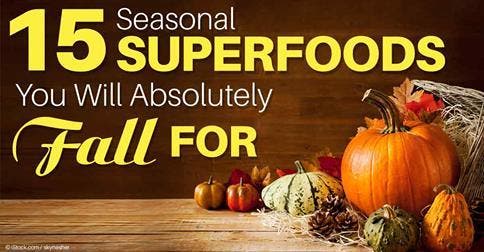
Every season has a great variety of nutritious crops. The fall is no exception. Seasonal eating provides a varied diet that provides your body with diverse nutrients to keep you going strong.
1. Brussels Sprouts - Brussels sprouts contain sulfur-containing compounds called glucosinolates, which your body uses to make isothiocyanates. These activate cancer-fighting enzyme systems in your body. Brussels sprouts also have potent antioxidant and anti-inflammatory properties, useful for fighting both chronic oxidative stress and inflammation. They help to support your body’s natural detoxification system and are an excellent source of vitamins K and C, and good source of fiber, manganese, potassium, choline, and B vitamins. Brussels sprouts are in season from September to March.
2. Apples - Compared to other commonly consumed fruits in the US, apples ranked second for highest antioxidant activity. However, they ranked highest for the proportion of free phenolic compounds, which means they are not bound to other compounds in the fruit and therefore may be more easily absorbed into your bloodstream. Notably, much of apples’ antioxidant power is contained in the peel, where you’ll find antioxidants like catechin, procyanidins, chlorogenic acid, ploridizin and more. Eating apples has been linked to a lower risk of chronic diseases including type 2 diabetes, cancer, heart disease, and dementia. Apples are in season from August to November.
Find out what's happening in Ramseyfor free with the latest updates from Patch.
3. Cauliflower - Cauliflower contains sulforaphane, a sulfur compound that has also been shown to kill cancer stem cells, thereby slowing tumor growth. Some researchers believe eliminating cancer stem cells may be key to controlling cancer. Cauliflower is also anti-inflammatory and antioxidant-rich, and may boost both your heart and brain health. Eating cauliflower will provide your body with impressive amounts of vitamin C, vitamin K, beta-carotene, and much more while supporting healthy digestion and detoxification. Cauliflower is in season from September to June.
4. Sweet Potatoes - Orange-colored sweet potatoes owe their appearance to the carotenoid beta-carotene. As an antioxidant, beta-carotene can help ward off free radicals that damage cells through oxidation, which can speed up aging and make you vulnerable against chronic diseases. This antioxidant can help support your immune system, as well as lower your risk of heart disease and cancer. Research shows that sweet potatoes can help regulate blood sugar because of their ability to raise blood levels of adiponectin, a protein hormone created by your fat cells, to help regulate how your body metabolizes insulin. Sweet potatoes are in season from September to December.
Find out what's happening in Ramseyfor free with the latest updates from Patch.
5. Pomegranates - The primary source of pomegranate’s benefits come from its antioxidant content, particularly ellagitannin compounds like punicalagins and punicalins, which account for about half of the pomegranate’s antioxidant ability. It’s also an excellent source of the antioxidant vitamin C, with one pomegranate providing about 40% of the daily requirement for this vitamin. Pomegranates contain three types of antioxidant polyphenols, including tannins, anthocyanins, and ellagic acid, in significant amounts. Pomegranates are in season from August to December.
6. Turnips - Turnips contain a type of phytonutrient known as indoles, which may help fight cancer. One type in particular, brassinin, has been shown to kill human colon cancer cells. Turnips are also rich in fiber. Just 100 calories’ worth of turnips can give you 25-40% of your daily fiber requirement. Turnip greens are an excellent source of vitamin C, vitamin E, beta-carotene, and manganese, but it’s their vitamin K content that really stands out. One cup of turnip greens will give you nearly 600% of your recommended daily value of the nutrient. Vitamin K is a powerful regulator of your inflammatory response, and along with the anti-inflammatory plant-based omega-3s found in turnip greens (in the form of alpha linolenic acid, or ALA), make this vegetable an inflammation-fighting powerhouse. Turnips are in season from September to April.
7. Rutabagas - Rutabaga, a cross between a turnip and a cabbage, are rich in fiber and vitamin C (one cup contains 53% of the daily recommended value). Rutabagas are also members of the cruciferous family of vegetables, which are rich in antioxidants and anti-cancer phytonutrients. Rutabagas are also an excellent source of potassium, manganese, B vitamins, magnesium, zinc and phosphorus. Rutabagas are in season from October to April.
8. Winter Squash - Winter squash contains an impressive amount of vitamin K1 (not K2) – 457% of the daily value per serving. Vitamin A, a powerful antioxidant, is beneficial for your skin, vision, and mucous membranes and may protect against certain types of cancer. Squash is also rich in vitamin C, vitamin E, B vitamins, calcium, and magnesium. It even contains a respectable amount of plant-based omega-3 fats. Because winter squash has such a thick skin, it can be stored for months. Try it paired with healthy spices like cinnamon and ginger. Winter squash is in season from October to February.
9. Pumpkin - Pumpkin is a type of winter squash but deserves special mention. It is an excellent source of carotenoids, including beta-carotene (which converts into vitamin A in your body). Pumpkin is also rich in fiber, with three grams in a one-cup serving, and you can consume the seeds, too, for additional benefits (like immune system and prostate support). Other notable nutrients in pumpkin include vitamin C, potassium, riboflavin, copper, and manganese, along with vitamin E, B vitamins, folate, iron, and phosphorus. Pumpkins are in season from October to February.
10. Parsnips - These root vegetables resemble carrots but are whitish in color and have a sweet, nutty flavor. Parsnips are rich in nutrients like fiber, folate, potassium, and vitamin C. Eating foods rich in potassium is important because this nutrient helps offset the hypertensive effects of sodium. An imbalance in your sodium-potassium ratio can lead to high blood pressure and may also contribute to a number of other diseases, including heart disease and stroke. Parsnips are in season from October to April.
11. Pears - Pears are rich in vitamin C and copper, and are one of the highest-fiber fruits (one medium pear contains about 5.5 grams of fiber). Fiber plays an essential role in your digestive, heart, and skin health, and may improve blood sugar control, weight management, and more. People who ate a diet high in white-fleshed fruits like pears or apples also had a 52% lower risk of stroke, according to an American Heart Association study, likely due to their fiber and phytochemical contents. Pears are in season from August to February.
12. Kiwi - Kiwis are rich in phytonutrients that appear to protect human DNA from free-radical damage. Kiwis are also an excellent source of antioxidant vitamins C and E, beta-carotene, fiber, potassium, magnesium, copper and phosphorus. One cup of kiwi contains 273% of the daily recommended amount of vitamin C, which is five times that of an orange. Kiwis are in season from September to March.
13. Grapefruit - Grapefruits are an excellent source of vitamin C and also contain pantothenic acid, copper, vitamin A, fiber, potassium, biotin, and vitamin B1. Grapefruit is also a good source of the dietary fiber pectin and the carotenoid phytonutrient lycopene. Lycopene’s antioxidant activity has long been suggested to be more powerful than other carotenoids such as beta-carotene. Lycopene has also been shown to have potential anti-cancer activity, likely due to its antioxidant properties.Grapefruit is in season from September to April.
14. Tangerines - Tangerines are rich in antioxidant flavonoids, vitamin C, vitamin A, folate, and potassium. They also contain the healthy fiber pectin and, if you eat the white tissue between the segments, even more soluble fiber that may offer protection to your heart. Notably, nobiletin, a citrus flavonoid isolated from tangerines, appears to prevent atherosclerosis and may also help prevent the buildup of fat in your liver. Tangerines are in season from October to January.
15. Dates - Dates are a rich source of fiber and potassium, along with B vitamins, vitamins A and K, copper, magnesium, and manganese. There are also at least 15 minerals in dates, including selenium, along with protein, 23 types of amino acids and unsaturated fatty acids including palmitoleic, oleic, linoleic, and linolenic acids. Dates are in season from September to December. Dates should be eaten only in very limited amounts because they are high in fructose.