Health & Fitness
15 Plants to Pacify PMS
The use of plants as medicine is one of the only forms of healing that has been embraced by every culture and ethnicity in the world.

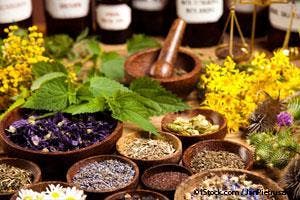
In the late 1800s and early 1900s, you could walk into any American pharmacy and find hundreds of herbal extracts for sale. Natural remedies were virtually the only “medicines” available at that time.
Most of the population knew how to use the medicinal plants to treat common illnesses and injuries.
Unlike drugs, which typically work via one mechanism, such as targeting bacteria, herbs work synergistically to address underlying imbalances in your body that may lead to disease.
Find out what's happening in Ramseyfor free with the latest updates from Patch.
The use of plants as medicine is one of the only forms of healing that has been embraced by every culture and ethnicity in the world and that has endured since ancient times. Herbal medicine is still in use today in most areas of the world. It’s the oldest system of healing on the planet.
There are many health complaints that herbal remedies may help and premenstrual syndrome (PMS) is certainly no exception.
Find out what's happening in Ramseyfor free with the latest updates from Patch.
Prior to using any of these remedies, you should check with your doctor and pharmacist, to make sure that there are no contraindications to taking any of them in conjunction with any medications that you may already be taking.
What Is Premenstrual Syndrome (PMS)?
Premenstrual syndrome describes a group of symptoms that may occur one to two weeks before a woman’s monthly menstruation commences.
Symptoms vary widely, in both severity and type, but may include:
1. Acne
2. Swollen or tender breasts
3. Fatigue
4. Insomnia
5. Digestive disturbances
6. Headache
7. Body aches
8. Food cravings
9. Difficulty focusing
10. Tension, irritability, mood swings, or crying spells
11. Anxiety or depression
15 Plants to Soothe PMS From Dr. Mercola:
1. Cramp Bark and Black Haw - Cramp bark (Viburnum opulus) may help to relieve muscle spasms and is often used to relieve menstrual cramps. It’s known as a uterine relaxant and contains the antispasmodic scopoletin.
2. Black Cohosh - Black cohosh is traditionally used to treat menopausal symptoms such as hot flashes, but it’s also known for having a relaxant affect on the uterus. According to Hudson, who recommends a tincture of 1/4 teaspoon to 1/2 teaspoon every two to four hours.
3. Red Raspberry Leaf - Red raspberry leaf is known for its toning effects on the reproductive system, and it may help to calm the uterus and relieve menstrual cramps when taken regularly.
4. Dong Quai - Dong quai is traditionally recommended for dysmenorrhea, or painful menstruation. It acts like estrogen in your body, and may help to improve uterine tone.
5. Wild Yam - Wild yam is popular for relief of menopausal symptoms, but it works well for PMS, too, helping the uterus work efficiently during menses as well as helping to prevent uterine cramping and spasms.
6. Reishi - The medicinal mushroom reishi is known as Lingzhi in China, or “spirit plant.” It’s also been called “Mushroom of Immortality”.
7. Valerian - Valerian is known for its sedative effects, and so may be useful for PMS-related mood swings, insomnia and irritability. It is also sometimes used for gastrointestinal cramps and may help to soothe uterine cramping as well. Valerian used along with cramp bark may be especially useful for relieving both cramping and mood swings.
8. Chaste Tree Berry - Chaste Tree Berry (Vitex agnus-castus) is traditionally used to ease menstrual problems, including premenstrual syndrome. A systematic review found a significant reduction in PMS symptoms in women using chaste tree berry compared with those in the placebo group.
9. Dandelion - Dandelion leaves act as a safe diuretic. By drawing excess water from your body, dandelion may help to relieve bloating.
10. Natural Progesterone - Progesterone is a naturally occurring hormone in the human body, essential for a variety of vital functions. In women, progesterone balances the estrogen hormones, and is produced mainly by the ovaries when ovulation occurs.
11. Chamomile - Chamomile tea raises your levels of glycine, which helps calm muscle spasms. Glycine is also a nerve relaxant, which may explain why chamomile is also effective for stress and anxiety relief. Traditionally, chamomile tea is also recommended for soothing menstrual cramps.
12. Maca - Maca is a tuber in the radish family known for helping to restore hormonal balance. In women, maca may help to lessen symptoms of PMS, and it’s an adaptogenic herb, which means it may help support your body during times of stress, promoting emotional well-being and supporting a healthy mood.
13. Motherwort - Useful for stimulating uterine tone, motherwort may also help to reduce uterine muscle spasms and cramping. Motherwort is also used to relieve stress and heart symptoms due to anxiety. Motherwort was among the Chinese herbs found to show promise in relieving PMS according a Cochrane Systematic Review.
14. Fennel Seeds - An extract of fennel seeds has been shown to reduce the severity of PMS, including significantly reducing the symptoms of premenstrual tension.
15. Saffron - Women who received 30 mg of saffron extract per day (15 mg twice a day) for two menstrual cycles reported a 50% reduction in the severity of PMS symptoms.