Neighbor News
45 Toxins Found in Household Dust
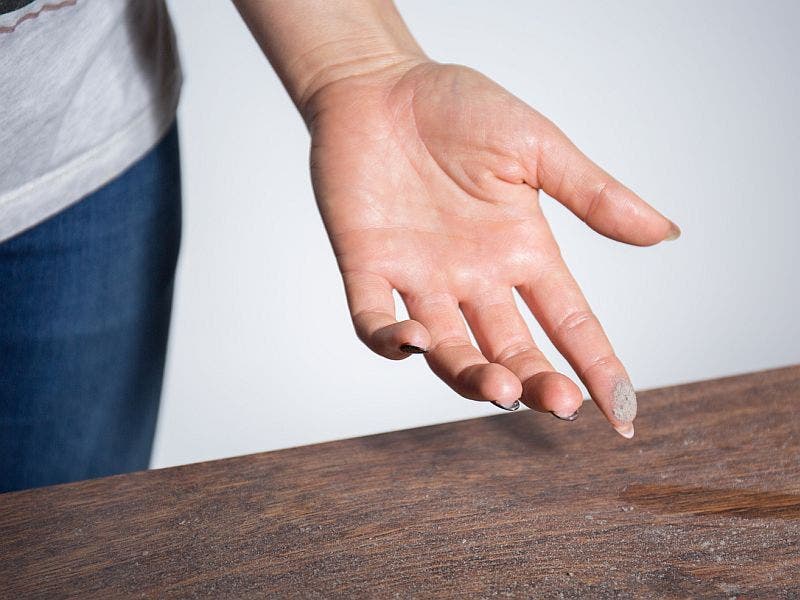
A new study concludes that household dust contains a wide range of toxic chemicals, potentially exposing people to harm.

This study was published Sept. 14th, in Environmental Science & Technology.
Your health doesn't only depend on your diet and lifestyle. It also can depend on the household products and items that you use, as well as what your furniture and floor coverings are made of. Even children's toys and electronics can leach out a toxic spectrum of chemicals.
Researchers identified 45 potentially toxic chemicals in dust samples from homes in 14 states:
Find out what's happening in Ramseyfor free with the latest updates from Patch.
These chemicals come from furniture, carpeting, drapes, electronics and toys, said lead author Ami Zota. She's an assistant professor at George Washington University's Milken Institute School of Public Health in Washington, D.C.
The 26 studies analyzed did not evaluate whether the chemicals are causing health problems. But Zota said this widespread exposure should raise concern.
Find out what's happening in Ramseyfor free with the latest updates from Patch.
"Some of these chemicals are associated with serious health outcomes," she said, "particularly children's health."
Dr. Kenneth Spaeth is chief of occupational and environmental medicine for Northwell Health in Great Neck, N.Y. He said the presence of these potentially harmful chemicals in homes has been known for some time and is worthy of some concern. Ongoing exposure to these dust-borne chemicals needs to be studied further.
Some of the chemicals are eliminated from the body rather quickly, such like phthalates. But we are constantly exposed to them. Other chemicals, such as flame retardants will accumulate in tissue.
The study authors said they found 10 harmful chemicals in 90% or more of the dust samples analyzed, including a known cancer-causing agent called TDCIPP. Used as a flame retardant, it's found in furniture, baby products and other household items.
A phthalate known as DEHP, "was detected in 100% of the samples," Zota said. Phthalates have the potential to be a hormone disruptor, interfering with reproductive and developmental health. They also are associated with a reduction in IQ and respiratory problems in children.
Four classes of dangerous chemicals appear in high concentrations in indoor dust:
1. Phthalates were the chemicals found in the highest amounts in the dust samples. Phthalates soften plastics and act as solvents, are used to make cosmetics, toys, vinyl flooring and other products.
2. Phenols, which are used in cleaning products and other household items, were the second-most common chemical class found in dust.
3. Flame retardants were third, which are added to couches, baby products, electronics and other products.
4. Highly fluorinated chemicals, such as those which are used to make nonstick cookware were fourth. These chemicals include PFOA and PFOS, which are found in cellphones, pizza boxes and many nonstick, waterproof and stain-resistant products. These chemicals have been linked to problems of the immune, digestive, developmental and endocrine systems.
Zota & Spaeth said you can reduce your exposure to household dust by:
- Washing your hands and your children's hands frequently. Small children often put dust-covered fingers and hands in their mouths.
- Vacuuming carpets frequently using a vacuum cleaner equipped with a HEPA filter, and wet-mopping hard surfaces.
- Using online consumer tools to buy safer products, such as furniture without flame retardants or stain guard, or toys that are phthalate-free.
- Opening windows, to allow fresh-air circulation.
"These kinds of simple measures can really make a difference," Spaeth said.
For more on indoor environmental quality, visit the U.S. Centers for Disease Control and Prevention.