Neighbor News
#5 of 10 Common Nutrition Misconceptions
Soy, being considered as a "health food", is a perfect example of how a brilliant marketing strategy can fool millions!

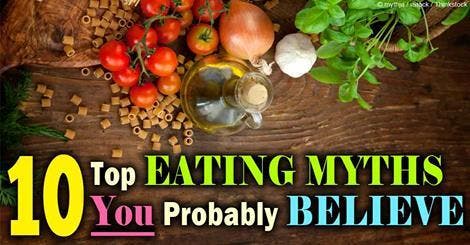
When it comes to nutritional advice, everyone has an opinion. The problem is that there are so many varying opinions that it is many times very hard to find the truth. Some misguided notions are harmless, but others can be dangerous and can lead to health problems. Many nutrition myths get repeated over and over until they are mistaken for the truth. The good news is that slowly, the real truth is finally emerging. Truthful, accurate information is your number one weapon in taking control of your health. Nutritional advice from mainstream “experts” may not be based on science, but on outdated misinformation.
This is a 10 part series, attempting to separate the truth from misconceptions:
Misconception #5: Soy Is a Health Food - The increase of the consumption of soy in the United States, as a “health food”, is a perfect example of how a brilliant marketing strategy can fool millions. Fermented, non-GMO soy, such as tempeh, miso, and natto, are actually the only healthy varieties of soy. They offer great health benefits, courtesy of the beneficial bacteria (probiotics) that the fermentation process produces. Unfortunately, this comprises only a tiny fraction of the soy consumed in the United States.
Find out what's happening in Ramseyfor free with the latest updates from Patch.
Unfermented soy products are NOT healthful additions to your diet, regardless of your age or gender. Thousands of studies have linked unfermented soy to a number of health problems. More than 90% of American soy crops are also genetically engineered, which only compounds its health risks. If you find this information startling, research it yourself and you will discover the damaging health effects science has linked to unfermented soy. These dangers include breast cancer, brain damage, cognitive impairment, heart disease, thyroid disorders, kidney stones, immune dysfunction, malnutrition, food allergies, digestive problems, developmental abnormalities in infants, difficulty getting pregnant and other reproductive disorders.