Neighbor News
5 Powerful Natural Antibiotic Alternatives
Bacteria are becoming increasingly more resistant to prescription antibiotics.

It was less than 100 years ago, when Alexander Fleming first isolated penicillin, which was the first antibiotic. The year was 1928. Since then, antibiotics have saved countless lives that would have been lost without them. Penicillin was called a "miracle drug". The Golden Age of Antibiotics may be coming to a screeching halt.
The pharmaceutical industry isn't very enthusiastic about developing new antibiotics. The reason for this is an economic one. It costs millions of dollars to do the research, to develop a new drug and to test it. All this must be done over a period of years, before a new drug gets approved by the FDA, to finally hit the market.
If that new drug is for high blood pressure, diabetes, depression or lowering cholesterol, that new drug may be around for decades, but that isn't the situation with antibiotics.
Find out what's happening in Ramseyfor free with the latest updates from Patch.
There Are Three Major Problem With Antibiotics:
1. They also kill off the beneficial bacteria in our bodies, which can cause a whole group of problems, such as leaky gut syndrome, digestive problems, depression and lowered immunity.
Find out what's happening in Ramseyfor free with the latest updates from Patch.
2. The bacteria are adapting so quickly and becoming resistant to antibiotics. This can result in super-infections, such as MRSA.
3. If a strain of bacteria become resistant too quickly to an antibiotic, the investment by the pharmaceutical company in that antibiotic may never turn into a profit and actually turn into a loss. This is the result of the over-prescribing of antibiotics by doctors and their overuse in the livestock industry. Both have greatly accelerated this problem. There may be a day, which could be much less than 100 years from now, when antibiotics will be virtually useless.
Fortunately, there are some natural alternatives to antibiotics.
These 5 Natural Antibiotic Alternatives are from Food Matters:
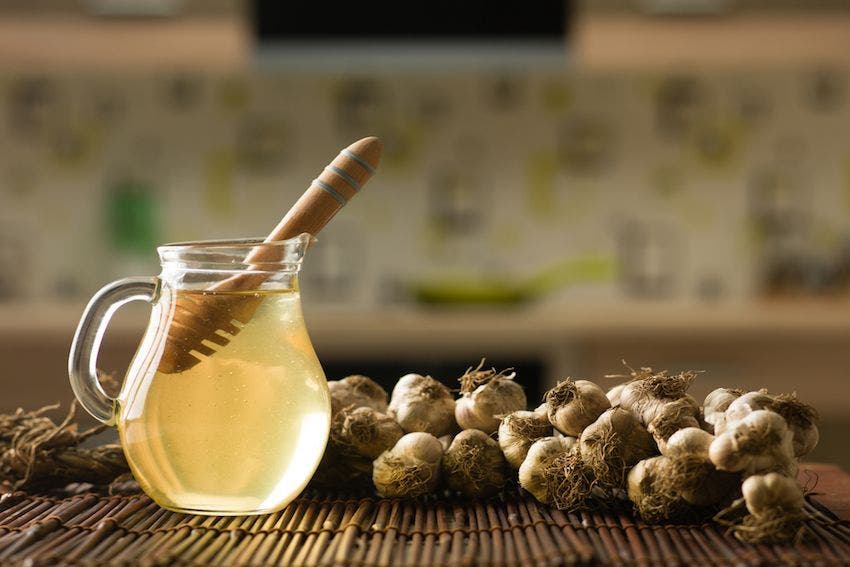
- Up first is the natural antibiotic garlic! Garlic has been used medicinally by cultures around the world for thousands of years. In fact, it was used in the 1700s to ward off the plague. Garlic possesses potent antibiotic, antiviral, antifungal, and antimicrobial properties and is able to help protect and facilitate removal of unfriendly bacteria. It is also very high in natural antioxidants that destroy free radicals, which also supports a strong immune system. The active ingredient in garlic, allicin, is the key component to killing and warding off harmful bacteria. Crush it to activate these compounds, and eat it raw, in a warm tea or in lightly cooked food.
2. Colloidal Silver- Colloidal silver has been known as an effective antibiotic for centuries. In the early 1900s, Alfred Seale, founder of the Searle pharmaceutical company, discovered that it could kill the most deadly pathogens.Searle stated that applying colloidal silver to human subjects has been done in a large number of cases with astonishing results. The main advantage was that it was rapidly fatal to microbes without toxic action on its host.
Recent research has also stated that colloidal silver can destroy antibiotic resistant microbes like MRSA, the bird flu, and SARS.
3. Oil Of Oregano - Oil of oregano takes care of pathogenic bacteria without disrupting beneficial bacteria. It is also antiviral and antifungal which makes it a powerful, natural antibiotic with a three-in-one combination that rivals pharmaceuticals while not encouraging antibiotic resistance. The key antimicrobial ingredient in oil of oregano is carvacrol. You should ensure that your source is at least 70% carvacrol content in order to be effective.4. Echinacea - Echinacea has been used to treat a wide variety of infections for hundreds of years. Traditionally, it was used to treat open wounds, diphtheria, blood poisoning, and other bacterial related illnesses.
Today, this potent herb is used mostly for colds and flu, due to its ability to destroy the most dangerous forms of bacteria such as staphylococcus aureus, which causes deadly MRSA.
5. Manuka Honey - Perhaps the most palatable antibiotic comes in the form of manuka honey. Applied topically, it can kill a wide range of pathogens including MRSA and flesh-eating bacteria. It was also found that the treated bacteria did not build up any resistance, which would eventually render manuka honey ineffective.
WARNING: If you are sick and have an infection, the infection could be life threatening. Always consult your physician when you have an infection and discuss if an antibiotic is required, or if some natural alternative may be appropriate for your situation.