Health & Fitness
The Amazing Benefits of Breastfeeding
Breastfeeding offers a long list of benefits not just for the baby, but for mother as well.

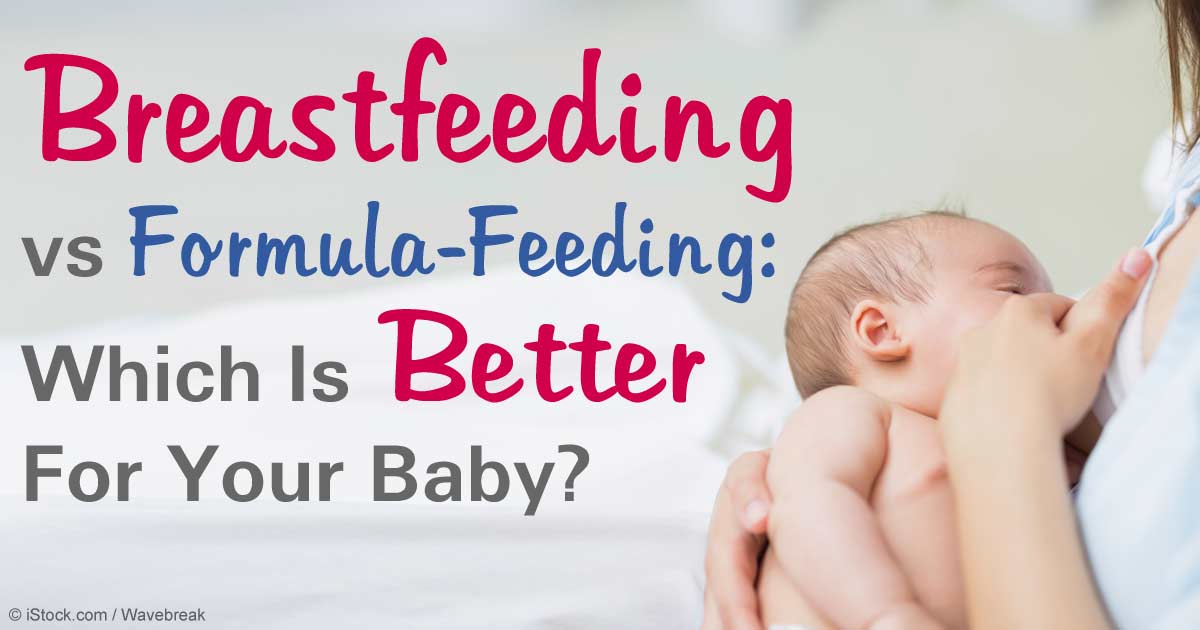
No matter how hard they try, infant formula cannot replace breast milk when it comes to promoting healthy long-term development.
Babies have been successfully raised on breast milk since the beginning of mankind. If it isn’t broken, why try to fix it?
One amazing fact about breast milk it that from the time of birth, breast milk changes its nutritional composition on a daily basis, in order to best provide for the needs of the baby throughout their stages of development.
Find out what's happening in Ramseyfor free with the latest updates from Patch.
Nursing has health benefits beyond nutrition, such as expanding your child’s palate and allowing their oral cavity to develop properly. That helps prevent breathing disorders such as snoring and sleep apnea and all the health risks associated with such sleep disruptions.
The Composition of Breast Milk:
Find out what's happening in Ramseyfor free with the latest updates from Patch.
Colostrum is the thick golden liquid that first comes out of a woman’s breasts after giving birth. It is low in fat, but high in carbohydrates and protein, making it easily assimilated by the newborn.
Mature breast milk, which typically comes in a few days after a woman has given birth, is composed of 3-5% fat and is abundant in vitamins A, C, and E, as well as the minerals sodium, potassium, calcium, magnesium and phosphorous. It also contains the long chain fatty acids DHA (an omega-3) and AA (an omega-6). Both are critical for brain and nervous-system development.
The main carbohydrate in breast milk is lactose, which provides calories and energy to fuel a baby’s growth. Other sugars are also present, including some 150 varieties. Some are complex chains of sugars that are unique to human breast milk. Some of these sugars are oligosaccharides that can’t be digested by infants. They exist to feed the microbes that populate a baby’s digestive system. When a baby is born, the first microbes that they receive to start populating their gut is ingested while traveling through the birth canal. There are also an abundance of microbes that are transferred from the mother to the baby in breast milk.
Breast milk is loaded with nutrient growth factors that support the growth of beneficial bacteria, along with components that inhibit the growth of bad bacteria and yeast. Breast milk really “primes” your baby’s gut and promotes the colonization of a healthy gut bacteria. A healthy gut is critical for both short term and long-term health.
Another important nutrient in breast milk that is not found in infant formula is cholesterol, which provides crucial building blocks for the formation of healthy nerve tissues.
As I mentioned before that the composition of breast milk is constantly changing as the baby develops. If that isn’t impressive enough, these daily changes in the composition of breast milk are dependent upon biochemical feedback from the baby.
Breast Milk Offers Natural Immunity:
Breast milk contains antibodies that provides babies with natural immunity to illnesses that the mother is immune to. This is why breastfed babies tend to have far fewer colds than formula fed babies.
Breastfed babies also have fewer ear, respiratory, stomach and intestinal infections than their formula-fed counterparts. When a newborn is exposed to a germ, he or she will transfer that pathogen back to the mother while nursing. The mother will then produce antibodies to that germ and provide the baby with those antibodies through their breast milk at their next feeding. It happens that fast. This speeds up a baby’s immune response and provides future immunity toward that pathogen, should it be encountered again.
Breast milk also contains growth factors that significantly enhance your baby’s gut and brain development and even helps augment emotional perception and social development.
These factors may also help prevent obesity later in life and offers protection against diseases such as type 2 diabetes.
How Breastfeeding Benefits the Mother:
1. In the short-term, nursing helps a woman shed that extra “baby weight” she put on during pregnancy. That alone is reason enough to breastfeed for many women.
2. Recent research suggests breastfeeding may reduce a woman’s risk of cardiovascular disease later in life.
3. Enhancing maternal behavior through increased release of oxytocin, a hormone referred to as the love or bonding hormone.
4. Acting as a natural birth control, as it suppresses ovulation, making pregnancy less likely.
5. Reducing diabetic mothers’ need for insulin, as lactation lowers glucose levels naturally.
6. Reducing the risk of women with gestational diabetes from becoming lifelong diabetics.
7. Reduces the risk of endometrial ovarian, and breast cancers.