Neighbor News
Anxiety & Panic Attacks Are Becoming More Common
According to research published in 2015, anxiety is becoming increasingly prevalent in the U.S.

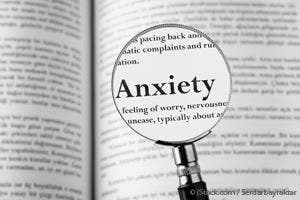
Data from the National Institute of Mental Health, suggests the prevalence of anxiety disorders in the U.S., which includes generalized anxiety disorder, social anxiety and panic disorder, may be as high as 40 million, or about 18% of the population over the age of 18. This makes anxiety disorders the most common mental illness in the country.
While genetics, brain chemistry, personality and life events play a role in the development of anxiety disorders, stress is a very common trigger.
Other Anxiety Triggers In Addition To Stress:
Find out what's happening in Ramseyfor free with the latest updates from Patch.
1. Exposure to cell phones, and nonnative electromagnetic fields (EMF) and radiofrequencies (RF)
2. Food additives, food dyes. Food dyes of particular concern include Blue #1 and #2 food coloring; Green #3; Orange B; Red #3 and #40; Yellow #5 and #6; and the preservative sodium benzoate
Find out what's happening in Ramseyfor free with the latest updates from Patch.
3. Consuming genetically modified food (GMOs)
4. Roundup, which has the active ingredient glyphosate, was also recently named a probable carcinogen by The World Health Organization (WHO), which is a division of the United Nations.
5. Gut dysfunction caused by imbalanced microflora. The gut bacteria produce the majority of the body's serotonin.
6. The lack of the nutrients magnesium, vitamin D and/or animal-based omega-3.
7. Use of artificial sweeteners
8. Excessive consumption of sugar and junk food
Anxiety is a normal response to stress, but in some people the anxiety becomes overwhelming and difficult to cope with, to the point that it affects their day-to-day living.
A panic attack can be terribly frightening, whether you're used to it or not. An attack typically comes on abruptly, producing intense fear and a sense of impending doom, or even death. The feeling is typically severely disproportionate to the reality of the situation at hand.
Hyperventilation, heart palpitations, trembling, sweating, hot or cold flashes, nausea, dizziness or being light-headed, numbness and/or tingling sensations, are all common physical symptoms. Panic attacks tend to peak within 10 minutes and most subside within 30 minutes.
Natural Treatments:Fortunately, there are many treatment options available. Some of the most effective treatments are also among the safest and least expensive, which don't involve drugs.
The University of Central Florida (UCF) is testing a new online app, called Tao Connect for treating anxiety. It includes a seven-module cognitive behavioral program, and allows the student to conduct videoconferences with a therapist. For more information: http://www.taoconnect.org/
Dietary interventions to correct nutritional deficiencies and/or poor gut health can also be part of the answer, along with strategies to subdue stress.
A breathing exercise that can help anxiety and panic attacks is summarized below. This sequence helps retain and gently accumulate CO2, leading to calmer breathing and reduced anxiety. In other words, the urge to breathe will decline as you go into a more relaxed state.
1. Take a small breath into your nose, a small breath out; hold your nose for five seconds in order to hold your breath, and then release to resume breathing.
2. Breathe normally for 10 seconds.
3. Repeat the sequence several more times: small breath in through your nose, small breath out; hold your breath for five seconds, then let go and breathe normally for 10 seconds.
ButeykoClinic.com offers a one-hour online course and an audio version, teaching these breathing techniques.
In a video that you can see by clicking on the attached link, Marie Jacquemin of Soul Pancake illustrates what it's like to be in the midst of a panic attack. As a person suffering with anxiety disorder, she offers the following suggestions for tempering your anxiety when it strikes:
1. Go for a brisk walk outside, rather than pacing indoors.
2. Listen to nature sound or calming music
3. Exercise, which helps drain excess energy from your fight-or-flight reflex. Indeed, some psychologists swear by exercise as a primary form of treatment for anxiety and other mood disorders. Exercise leads to the creation of new neurons, including those that release the calming neurotransmitter GABA, while boosting levels of potent brain chemicals like dopamine and norepinephrine, which may help buffer some of the effects of stress.
4. Call someone you trust, and "talk it out" until you feel more centered.
EFT can be very effective by helping you to actually reprogram your body's reactions to the unavoidable stressors of everyday life.
This includes both real and imagined stressors, which can be significant sources of anxiety. EFT was developed in the 1990s by Gary Craig, a Stanford engineer specializing in healing and self-improvement. It's akin to acupuncture, which is based on the concept that a vital energy flows through your body along invisible pathways known as meridians. EFT stimulates different energy meridian points in your body by tapping them with your fingertips, while simultaneously using custom-made verbal affirmations.
This can be done alone or under the supervision of a qualified therapist. By doing so, you reprogram the way your body responds to emotional stressors. Recent research has shown that EFT significantly increases positive emotions, such as hope and enjoyment, and decreases negative emotional states, including anxiety.