Health & Fitness
Are Household Products Killing Us?
In Europe, more than 1,300 chemicals are banned from use in personal care products. In the US, just 11 are banned.

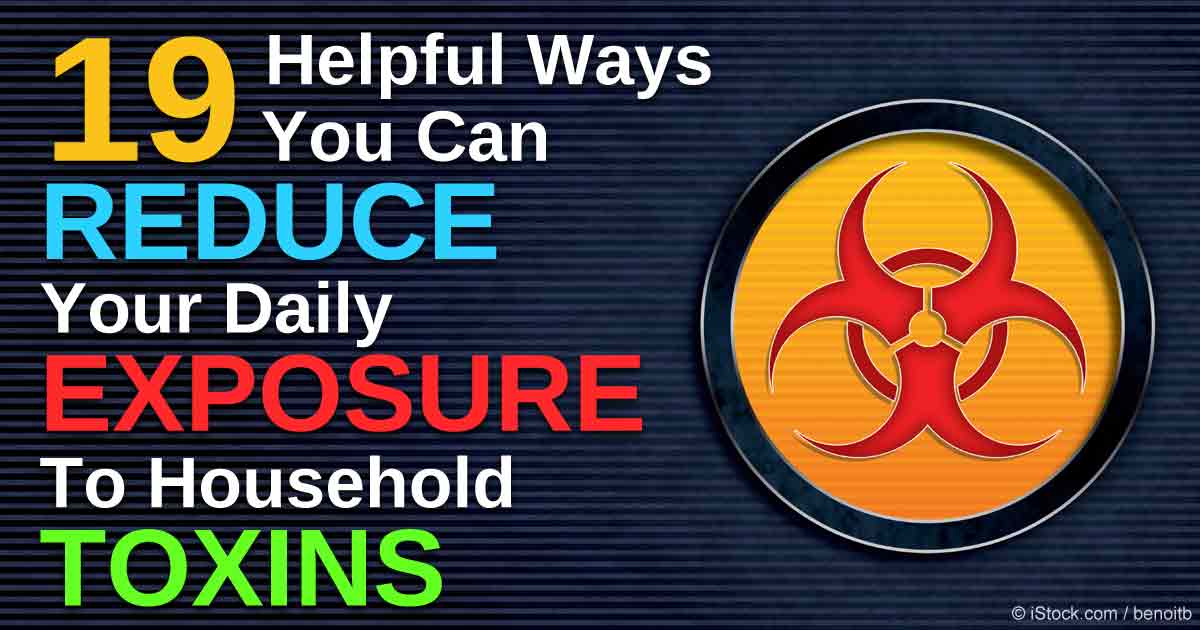
No matter how hard you try, you will still be exposed to a number of toxic chemicals on a daily basis. The key is to keep the exposure to a minimum. It is unfortunate that the EPA, The FTC, the USDA and the FDA are not doing a good enough job to assure that Americans are safe from toxins.
Why do I say this? Because in Europe, more than 1,300 chemicals are banned from use in lotions, soaps, toothpaste, cosmetics and other personal care products. Contrast that to in the US, where just 11 are banned.
The US Food and Drug Administration (FDA) tasks the companies that manufacture and market cosmetics and other personal care products with ensuring their safety. Not only does this pose an obvious conflict of interest, but “neither the law nor FDA regulations require specific tests to demonstrate the safety of individual products or ingredients.”
Find out what's happening in Ramseyfor free with the latest updates from Patch.
The average US women uses 12 personal care products and/or cosmetics a day, containing 168 different chemicals, according to the Environmental Working Group (EWG). There are other chemicals risks as well, like those lurking in your household cleaning products, food packaging, furniture, and carpeting.
Dr. Julia Brody, executive director of the Silent Spring Institute, is among those speaking out against environmental chemicals and the risk they pose to human health and in particular to women’s health. About 80% of the women who develop breast cancer, for instance, have no family history of the disease. Environmental chemicals, including those that disrupt your body’s hormone systems (endocrine-disrupting chemicals) are thought to play a significant role.
Find out what's happening in Ramseyfor free with the latest updates from Patch.
If you want to keep your family’s toxin exposure to a minimum, you have to become a label reader and know what to avoid!
Which Household Products Should You Avoid?
Silent Spring has identified multiple chemicals groups that you’re better off avoiding to protect your health. This includes chemicals common in household items you may currently be using every day:
1. Fragrances in Cleaning and Personal Care Products - such as parabens, phthalates and synthetic musks.
2. Vinyl Products - The smell that seeps out of vinyl is polyvinyl chloride (PVC). PVC contains phthalates, which are used as plasticizers in everything from vinyl flooring to detergents, hoses, raincoats, adhesives, air fresheners, toys and even in some soaps, shampoos, lotions and nail polish.
3. Antimicrobials (Triclosan) - Antibacterial soap and certain toothpastes contain an antibacterial chemical called triclosan, which has been linked to concerns over antibiotic resistance and endocrine disruption.
4. Stain-Resistant Furniture Sprays and Clothing - Perfluorinated compounds (PFCs) include PFOA, which was widely used to make non-stick cookware and stain-resistant fabrics. These chemicals have been linked to so many health problems, including; cancer, miscarriages, thyroid problems and more, that they’ve been phased out in the US and essentially banned in Europe.
5. Parabens - Parabens are chemicals found in deodorants and other cosmetics that have been shown to mimic the action of the female hormone estrogen, which can drive the growth of human breast tumors.
6. Bisphenol-A (BPA) is widely used in plastics, cash register receipts and canned goods. It has been linked to a number of health concerns, particularly in pregnant women, fetuses and young children, but also in adults.
Implementing the following measures will help you avoid the worst endocrine-disrupting culprits as well as other chemicals from a wide variety of sources.
19 Tips to Reduce Your Chemical Exposure at Home:
1. As much as possible, buy and eat organic produce and free-range, organic meats to reduce your exposure to added hormones, pesticides, and fertilizers. Also avoid milk and other dairy products that contain the genetically engineered recombinant bovine growth hormone (rBGH or rBST).
2. Rather than eating conventional or farm-raised fish, which are often heavily contaminated with PCBs and mercury, supplement with a high-quality purified krill oil, or eat smaller fish or fish that is wild-caught and lab tested for purity. Wild-caught Alaskan salmon is about the only fish I eat for these reasons.
3. Buy products that come in glass bottles or jars rather than plastic or canned, since chemicals can leach out of plastics and into the contents.
4. Store your food and beverages in glass rather than plastic, and avoid using plastic wrap.
5. Use glass baby bottles and avoid plastic sippy cups for your little ones.
6. Eat mostly raw, fresh foods. Processed, prepackaged foods (of all kinds) are a common source of chemicals such as BPA and phthalates.
7. Replace your non-stick pots and pans with ceramic or glass cookware.
8. Filter your tap water — both for drinking and bathing. If you can only afford to do one, filtering your bathing water may be more important, as your skin absorbs contaminants. To remove the endocrine-disrupting herbicide Atrazine, make sure the filter is certified to remove it. According to the Environmental Working Group (EWG), perchlorate can be filtered out using a reverse osmosis filter.
9. Look for products that are made by companies that are earth-friendly, animal-friendly, green, non-toxic, and/or 100% organic. This applies to everything from food and personal care products to building materials, carpeting, paint, baby items, upholstery, and more.
10. Use a vacuum cleaner with a HEPA filter to remove house dust, which is often contaminated with traces of chemicals.
11. When buying new products such as furniture, mattresses, or carpet padding, ask what type of fire retardant it contains. Be mindful of and/or avoid items containing PBDEs, antimony, formaldehyde, boric acid, and other brominated chemicals. As you replace these toxic items around your home, select those that contain naturally less flammable materials, such as leather, wool, and cotton.
12. Avoid stain- and water-resistant clothing, furniture, and carpets to avoid perfluorinated chemicals (PFCs).
13. Minimize your use of plastic baby and child toys, opting for those made of natural wood or fabric instead.
14. Only use natural cleaning products in your home or make your own. Avoid products that contain 2-butoxyethanol (EGBE) and methoxydiglycol (DEGME), two toxic glycol ethers that can damage fertility and cause fetal harm.
15. Switch over to organic brands of toiletries such as shampoo, toothpaste, antiperspirants, and cosmetics. You can replace many different products with coconut oil and baking soda, for example. EWG has a great database17 to help you find personal care products that are free of phthalates and other potentially dangerous chemicals. I also offer one of the highest quality organic skin care lines, shampoo, and conditioner, and body butter that are completely natural and safe.
16. Replace feminine hygiene products like tampons and sanitary pads with safer alternatives.
17. Avoid artificial air fresheners, dryer sheets, fabric softeners, or other synthetic fragrances.
18. Look for products that are fragrance-free. One artificial fragrance can contain hundreds, even thousands of potentially toxic chemicals.
19. Replace your vinyl shower curtain with one made of fabric.