Neighbor News
Are Organic Vegetables Really More Nutritious?
A recent study found that the antioxidant compounds in organic fruits and vegetables had between 20 and 40% higher antioxidant activity.

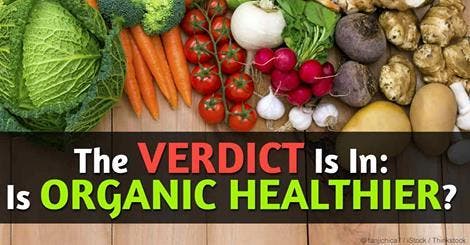
Organic standards dictate that organic produce is GMO free and doesn’t have the toxins of “conventional” produce, but there may never be an end to arguments over whether organic food has greater nutritional value.
A new study concludes that organic fruit and vegetables offer a key benefit. This new analysis, from a group of scientists mostly based in Europe, crunched data from 343 studies, where were carried out over the past several decades and published their findings in the British Journal of Nutrition.
The analysis found that organic and conventional vegetables offer similar levels of many nutrients, including minerals, vitamin C and vitamin E, but the group found a significant difference in the levels of antioxidants. They found that the antioxidant compounds in organic fruits and vegetables had between 20 and 40% higher antioxidant activity.
Find out what's happening in Ramseyfor free with the latest updates from Patch.
Antioxidant compounds, such as flavonoids and carotenoids, are getting a lot of press lately. Scientists say they can protect cells from the effects of aging, or from damage that can lead to cancer. These are big reasons why we should eat more fruits and vegetables: If organic produce provides more of them, that is a good reason to eat more of them.
Plants produce antioxidants to protect themselves when they run into challenges like insects or diseases. Organic crops, because they aren’t protected by as many chemical pesticides, have to fight off more threats.
Find out what's happening in Ramseyfor free with the latest updates from Patch.
Organic crops also aren’t getting as much fertilizer. More heavily fertilized conventional crops may grow faster and get bigger, but as a result, their nutrients may get diluted.
This analysis, however, probably isn’t the end of this debate. Some organic crops get lots of organic fertilizer; some don’t. Some are protected with lots of natural pesticides; some are not. Conventional practices also vary widely. With so many variables, it is difficult to know what you are really comparing.