Neighbor News
Are Statins Safe?
Cholesterol and lipid lowering medications are the most common class of drugs prescribed.

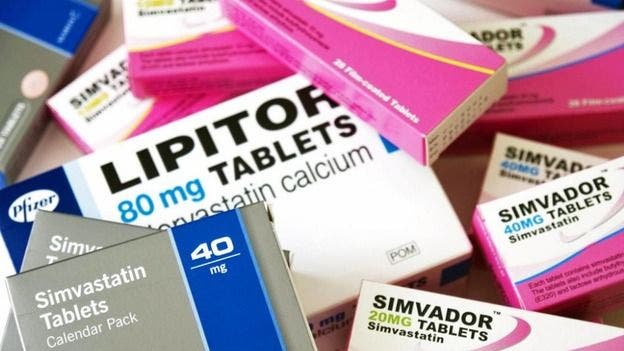
Nine-out-of-10 senior citizens in the United States and 58% of all non-seniors, regularly rely on a prescribed drug.
Tens of millions of people are taking drugs to lower their cholesterol levels. Most of those medications are in a drug class known as statins. Some doctors are even starting to recommend children use statin drugs to control their cholesterol levels.
Whenever considering whether or not to take a drug, the potential benefits and possible side effects should be considered and discussed between the doctor and the patient.
Find out what's happening in Ramseyfor free with the latest updates from Patch.
The human body needs cholesterol to make hormones and to make and maintain brain and nervous system tissue.
Statin drugs block the enzyme in your liver that naturally produces cholesterol for your bodily functions. The drug essentially reduces your total cholesterol number.
Find out what's happening in Ramseyfor free with the latest updates from Patch.
Statin drugs have a number of potential side effects, including muscle damage and weakness. What has been less publicized is a potential link between statins and a progression of muscle wasting that may lead to a diagnosis of amyotrophic lateral sclerosis (ALS), which is also known as Lou Gehrig's disease.
The World Health Organization (WHO) Foundation Collaborating Centre for International Drug Monitoring receives safety reports associated with statin medications. They have noted a disproportionately high number of patients with upper motor neuron lesions (such as ALS), among those taking statin medications.
In the video that is provided in the link below, Dr. Beatrice Golomb discusses the manipulation of scientific evidence and other misinformation about medications.
In 2012 Golomb was recognized for a study she led on muscle and tendon adverse events linked to statins, which showed that muscle problems were related to the strength of the statin being taken.
One study found that 17% of patients taking statins, suffered side effects that included muscle pain, nervous system problems and nausea.
A review of the literature, published in the American Journal of Cardiovascular Drugs, evaluated 900 previous studies looking at the adverse effects of statin drugs.
Adverse effects are dose-dependent, meaning the higher the dose, the greater the chances are for a side effect. Health risks can be amplified by a number of factors, such as taking other drugs, which may increase statin potency, metabolic syndrome or thyroid disease.
30 possible side effects related to taking statin drugs, taken in strong doses, and/or for a lengthy amount of time:
1. Headaches
2. Difficulty sleeping
3. Drowsiness
4. Bloating
5. Gas
6. Constipation
7. Rashes
8. High blood sugar (type 2 diabetes)
9. Vision changes
10. Bladder pain
11. Difficulty breathing
12. Dry mouth
13. Lower back or side pain
14. Loss of consciousness
15. Swollen joints
16. Blistering or peeling skin
17. Weight changes
18. Cognitive loss
19. Neuropathy
20. Anemia
21. Acidosis
22. Frequent fevers
23. Cataracts
24. Sexual dysfunction
25. Pancreatic dysfunction
26. Immune system suppression
27. Polyneuropathy (nerve damage in hands and feet)
28. Liver dysfunction
29. Increased risk of cancer
30. Degenerative muscle tissue (rhabdomyolysis)
If You Take Statins, Are You Taking Ubiquinol or CoQ10?Statins work by inhibiting the enzyme your liver uses to produce cholesterol. Statins can also suppress the precursor to coenzyme Q10 (CoQ10), which is an antioxidant that mitochondria use to produce energy.
If you take statin drugs without taking CoQ10 or the reduced form, ubiquinol, your health may be at risk. Unfortunately, this describes many of the people who take statins in the United States. The loss of energy at the cellular level can damage your mitochondrial DNA and cause the rise of free radicals and mitochondrial damage. CoQ10 can also help to strengthen heart tissue.
CoQ10 can typically be used by people 30 and younger. However, if you are over 30 you may want to consider ubiquinol, the reduced version of CoQ10, as it is far more effective for your age group.
Naturally Improving Cholesterol Levels:1. Optimize Your Vitamin D Levels - Sensible sun exposure and/or vitamin D consumption, can help to normalize your cholesterol levels and prevent heart disease. Vitamin K2 is also important to help vitamin D get calcium to the bones and teeth and not into the blood vessels and soft tissues. Statin drugs rob the body of vitamin K2, so it is extra important to take ample vitamin K2 if you are on Statins. The perfect ration is 10 micrograms of the MK7 version of vitamin K2 for every 1,000 IU of vitamin D taken.
2. Normalize Your Weight & Reduce Carbohydrates, Especially Fructose - Normalize your weight using a plan of eliminating grains and sugars in your diet. Take special care to get no more than 25 grams of fructose each day. These products spike insulin levels and trigger cholesterol production.
3. Include Heart Healthy Foods - Make sure you are getting plenty of high-quality, animal-based omega-3 fats. Other heart-healthy foods include olive oil, coconut and coconut oil, organic raw dairy products and eggs, avocados, raw nuts and seeds and organic grass-fed meats.
4. Increase Your Daily Movement and Exercise Regularly - Exercise and movement are very important. Stay active as much as you can each day an sit as little as possible. Try to incorporate a comprehensive fitness program that includes strength training and high intensity cardiovascular exercises. If you are sedentary, don't start an exercise program without consulting your physician first.
5. Reduce Your Stress Levels - Each of us experience stress in a fast-paced life. You may consider meditation, breathing techniques or other stress reducing strategies.
6. Improve Your Sleep Quality - High quality also sleep helps to reduce your stress levels, normalize your insulin levels and function optimally through the day.
7. Avoid Excessive Alcohol or Any Tobacco - Alcohol is high in net carbohydrates, which affect your insulin levels. Tobacco has a negative effect on your cardiovascular system and reduces longevity.
8. Replace Vegetable Oils - Replace harmful vegetable oils and synthetic trans fats with healthy fats, such as olive oil, butter and coconut oil. Olive oil should be used cold. Coconut oil is best for cooking and baking.
9. Include Fermented Foods - Include fermented foods in your daily diet. These will help to improve your gut bacteria, reduce your stress levels by increasing serotonin production and also will boost your overall immunity.
If you are taking statin drugs, why not talk to your doctor about their potential side effects and what you might be able to do to cut down on your cholesterol naturally?
WARNING: Don't ever stop taking any prescription medication without consulting with the prescribing physician first, since that could be potentially life threatening!