Health & Fitness
Are You Consuming Chemical Cocktails on a Daily Basis?
Years ago, Jack LaLanne said "If man made it, don't eat it." That is even more true today!

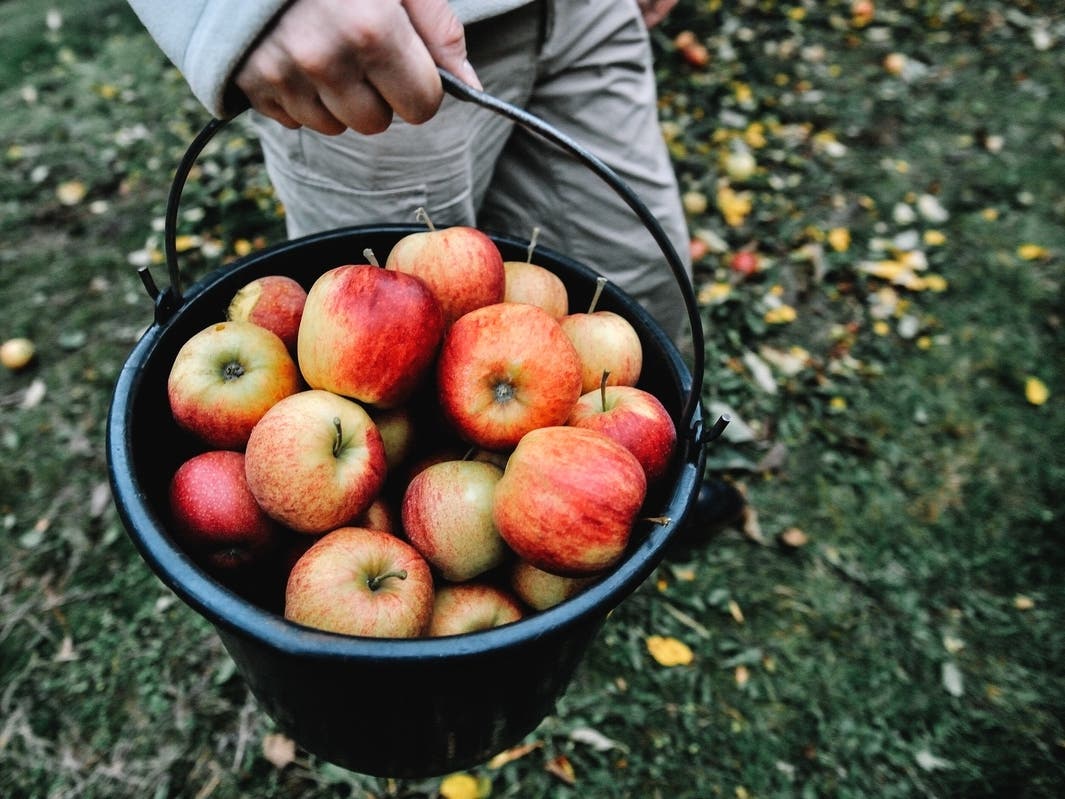
One of the simplest choices you can make in support of your health is to eat real food. Real food refers to organic vegetables, hormone free, grass-fed meats, wild-caught seafood, nuts, seeds, pastured eggs, organic fruits and grass-fed dairy. These are foods that are as unaltered as possible. Because chemicals are everywhere, they are almost impossible to avoid, however these foods contain a minimal amount of chemical toxins.
If you eat processed foods, you are consuming a chemical cocktail with each and every bite. Even seemingly simple foods, such as bread, processed cheese, salad dressing or pasta sauce, are typically loaded with preservatives, emulsifiers, flavoring, coloring and other “enhancers.”
The Top 9 Food Additives to Avoid:
Find out what's happening in Ramseyfor free with the latest updates from Patch.
Since the 1950s, the number of food additives allowed in U.S. food has grown from about 800 to more than 10,000.
We’re not talking only about simple natural ingredients, such as vinegar and salt anymore, but countless chemical concoctions that are putting Americans’ health at risk.
Find out what's happening in Ramseyfor free with the latest updates from Patch.
There has been no significant research to determine how various combinations of these chemical additives react within human physiology. What little risk assessment has been done on such chemicals, is typically done on an individual chemical in isolation. Mounting research suggests that when you consume multiple additives in combination, the health effects may be unknown and virtually undeterminable. The increased health problems that Americans are experiencing may very well be a direct, or an indirect result of this chemical exposure.
One assessment by the National Food Institute at the Technical University of Denmark, found that even small amounts of chemicals can amplify each other’s adverse effects when combined.
The only way to avoid these chemical cocktails is to avoid all processed foods. But at the very least, you’ll want to read food labels carefully and avoid these nine:
1. High-Fructose Corn Syrup (HFCS) - It’s often claimed that HFCS is no worse for you than sugar, but this is not the case.
2. Artificial Sweeteners - Experiments have found that sweet taste, regardless of its caloric content, enhances your appetite, and consuming artificial sweeteners has been shown to lead to even greater weight gain than consuming sugar.
3. Monosodium Glutamate (MSG) - This flavor enhancer is most often associated with Chinese food, but it's actually in countless processed food products ranging from frozen dinners and salad dressing to snack chips and meats. MSG is an excitotoxin, which means it overexcites your cells to the point of damage or death, causing brain dysfunction and damage to varying degrees and potentially even triggering or worsening learning disabilities, Alzheimer's disease, Parkinson's disease, Lou Gehrig's disease and more.
4. Synthetic Trans Fats - Synthetic trans fats, found in margarine, vegetable shortening and partially hydrogenated vegetable oils, are known to promote inflammation, which is a hallmark of most chronic and/or serious diseases.
5. Artificial Colors - Fifteen million pounds of artificial food dyes are added into U.S. foods every year and that amount only factors in eight different varieties. As of July 2010, most foods in the European Union (EU) that contain artificial food dyes were labeled with warning labels stating the food "may have an adverse effect on activity and attention in children."
6. Sodium Sulphite - This is a widely used food preservative. People who are sulfite sensitive can experience headaches, breathing problems and rashes. In severe cases, sulfites can actually cause death.
7. Butylated Hydroxyanisole (BHA) and Butylated Hydroxytoluene (BHT) - Butylated hydroxyanisole (BHA) `is a preservative that affects the neurological system of your brain, alters behavior and has the potential to cause cancer. It can be found in breakfast cereal, nut mixes, chewing gum, butter spread, meat, dehydrated potatoes, popcorn, chips and beer, just to name a few.
8. Sulphur Dioxide - Sulphur additives are toxic, and in the U.S. they have been prohibited in raw fruit and vegetables. Adverse reactions include bronchial problems, low blood pressure and anaphylactic shock.
9. Potassium Bromate - Nearly every time you eat bread in a restaurant or consume a hamburger or hotdog bun you are consuming bromide, an endocrine-disrupting chemical commonly used in flours. The use of potassium bromate as an additive in commercial breads and baked goods has been a huge contributor to bromide overload in Western cultures. Bromated flour is “enriched” with potassium bromate.
GRAS Loophole Makes Processed Foods a Chemical Minefield:
GRAS, or generally recognized as safe, is a loophole created in 1958. At the time, the first law regulating food additives had just been put into place, which required food companies to submit new ingredients to the FDA for review.
Congress didn’t want the FDA to waste time reviewing common staple ingredients like table salt and vinegar, so they added the loophole that companies could prove certain ingredients to be GRAS, with no FDA review required. One of the most alarming problems with the GRAS loophole is that food companies are tasked with determining such status for their own ingredients.
So a company can simply hire an industry insider to "evaluate" the chemical and if that individual determines the chemical meets federal safety standards, it can be deemed GRAS. Once an additive is granted GRAS status by the hired panel, the company doesn't even need to inform the FDA that the ingredient is used and no independent third-party objective evaluation is ever required.
Are You Now Ready to Ditch Processed Foods?
If you just read this blog and you care about your health and the health of your loved ones, you may be ready to ditch processed foods.
You can start by trying to plan a week of meals at a time. Make sure you have all ingredients necessary on hand and then do any prep work you can ahead of time, so that dinner is easy to prepare if you're short on time in the evenings. You can then use your leftovers for lunches the next day.