Neighbor News
Are You a Fat Burner or a Carb Burner?
I was watching the Olympics the other day and I saw swimmers carb loading.

I was wondering why the US Olympic swimmers were carb loading before a race? If the swimmers are carb loading, the coaches and trainers are not keeping up with the latest data on performance eating.
Endurance athletes were erroneously told for decades that carb loading was necessary to perform at the elite level. It was generally accepted as the divine truth, when in fact it was 100% wrong. To suggest otherwise was considered insanity.
As data became available that this might not be the best course of action, some athletes experimented with a high-fat and low carb diet and they performed better. As the word quietly spread, many top athletes traded in their bowls of pasta for eggs and avocados. Not only did their performance, but it improved their health, especially their hemoglobin A1C.
Find out what's happening in Ramseyfor free with the latest updates from Patch.
Many athletes kept quiet about their newfound competitive edge, since if they let the cat out of the bag, their edge would be gone.
In the documentary film Cereal Killers 2, world-class triathlete Sami Inkinen's story is that due to his high carb diet, he once was flirting with diabetes, before he changed his diet to become a fat burner rather than a carb burner. Not only did his performance improve, so did his health.
Find out what's happening in Ramseyfor free with the latest updates from Patch.
What's Wrong With Carb Loading?
The concept of carb loading is to increase your glycogen supply to give your muscles plenty of fuel to burn during a period of extended exercise. It is true that a certain amount of glucose is stored in your muscles and liver in the form of glycogen. But when your glycogen fuel runs out, fatigue sets in and you "hit the wall".
It is true that carb loading helps to increase your glycogen stores so that you'll have more energy and be able to push yourself farther before running out of fuel, but if you're burning carbs as your primary source of fuel, you will need to refuel during an exertion such as a marathon.
Carb loading may temporarily increase exercise performance, but these benefits may be canceled out by water weight gain, digestive symptoms and an increase in your chances of getting diabetes.
If you are a carb burner, only when your glycogen stores are depleted, will your body move to using fat as its fuel.
If you carb load prior to exercise, you will actually be inhibiting fat burning and many of the metabolic benefits of exercise, even if it enhances your initial performance temporarily.
Why Become a Fat Burner?
First of all when you burn fat as a primary fuel, fat burns cleaner than carbs. That means that you are not producing as many free radicals, not butting as much oxidative stress on your body and not aging as quickly.
This results in other benefits, such as stem cell regeneration and tissue repair, along with decreased body fat, reduce inflammation, and increased insulin sensitivity.
Switching to a diet where 70% of your calories are from healthy fats and the other 30% of your diet is from protein and fibrous fruits and vegetables, you can:
1. Lose body fat
2. Increase lean muscle mass
3. Increase athletic performance
4. Increase basal metabolic rate
5. Improve blood pressure
6. Reduce cholesterol
7. Improve blood sugar levels and hemoglobin A1C
8. Reduce insulin resistance
9. Reduce C-reactive protein, which is an indication of body inflammation
Eating a High-Fat Diet Helps You Burn Fat:
A ketogenic diet changes your body from primarily burning carbos to burning fats as your primary fuel. Your cells can adapt from burning glucose to using ketone bodies, which come from breaking down fats.
Many types of cancer cells do not have this adaptability and require glucose to thrive, which makes this diet excellent to fight cancer too.
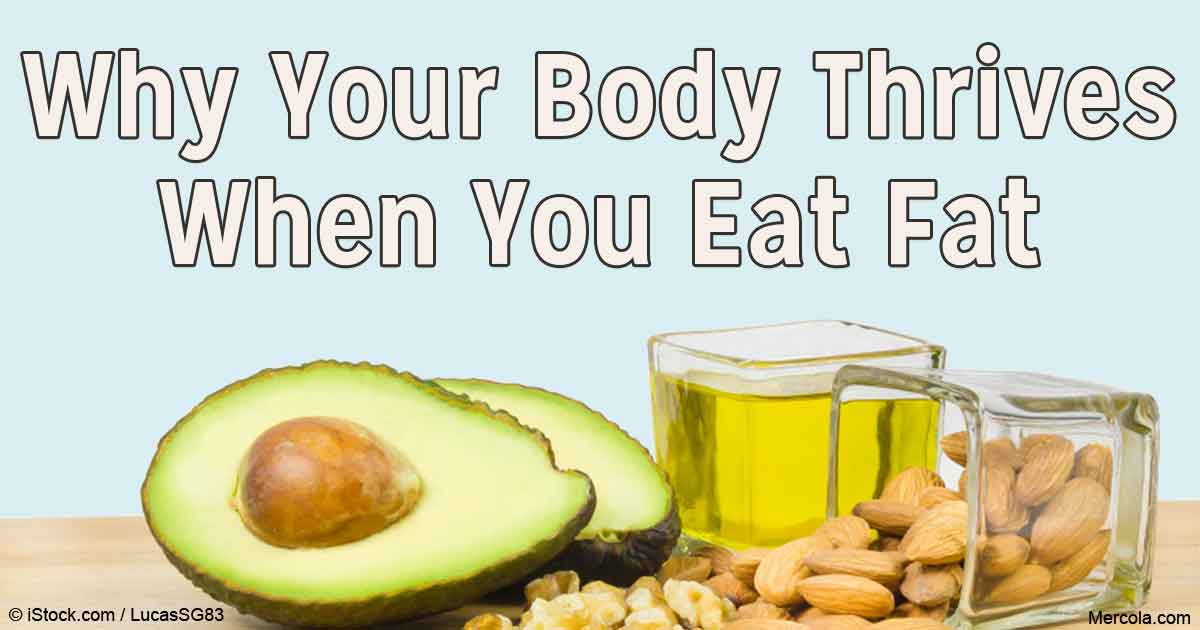
A high-fat-burning diet requires that between 50 - 70% of your calories to be from healthy fats, such as coconut oil, grass-pastured butter, organic pastured eggs, avocados raw nuts and wild caught salmon.
Intermittent Fasting Can Help You Switch Over to Burning Fat for Fuel:
Intermittent fasting is eating only within an 8 hour window every day. So that means 16 hours of fasting a day. This will usually mean that you eat two larger meals a day and not three, by skipping breakfast or dinner. It is also a good idea to ease into this and not to start intermittent fasting immediately. Another important point is try not to eat within three hours of going to sleep at night.
By not eating 16 hours a day, this will cause your liver runs out of glycogen and starts to use up the glycogen stored in your fat cells.
When You Burn Fats, You Don't Run Out of Fuel:
Cereal Killers 2 discusses the research by Jeff Volek, Ph.D., a registered dietitian and professor in the Human Science Department at Ohio State University and Dr. Stephen Phinney, a physician and trailblazer in this field, who has studied low-carb diets for decades.
They've co-authored the following books, The Art and Science of Low Carbohydrate Living and The Art and Science of Low Carbohydrate Performance.
Athletes who adopt the high fat and low carb strategy, can access their body fat during exercise, which is more than enough to finish even a 100-mile race.
Low-Net-Carb Diet Beneficial for Athletes and Non-Athletes:
Mounting evidence suggests high-fat and low-net carb diet may be the key that many people have been looking for. Net carbs is total carbs minus fiber. Ideally, you should keep your net carbs under 30 to 40 grams per day and keep your protein consumption under one gram of protein per kilogram of lean body mass.
Not only does it help you shed excess body fat, it does so while simultaneously improving metabolism, boosting overall energy levels, lowering inflammation, promoting optimal health and maximizing longevity in a number of different ways.
You should consult your physician prior to beginning a high fat low net carb diet, intermittent fasting or any new exercise routine.