Neighbor News
Atrazine, a Toxic Pesticide
Modern agriculture has served up a large toxic burden of chemicals in our food.

According to the U.S. Department of Agriculture (USDA), only 15% of all the food samples tested in 2015 were free from pesticide residues. In contrast, during 2014, over 41% of samples had no detectable pesticide residues. In 2017 that number is plummeting towards 0%. That is how fast our food is being poisoned.
Atrazine, the second most commonly used herbicide in the U.S. after glyphosate (Roundup), which has also been linked to quite a few health problems.
Chris Clarke writes:
Find out what's happening in Ramseyfor free with the latest updates from Patch.
"If it wasn't for Roundup, atrazine would probably be the most controversial herbicide on the planet,". "It's the pesticide most commonly found as a runoff contaminant in rivers, streams, lakes and wetlands.It can travel hundreds of miles on airborne dust from the farm fields where it's applied in order to contaminate those wetlands, and can persist for decades once it gets there.
It's been linked to reproductive abnormalities in frogs, hormonal changes in alligators, and serious harm to other wildlife populations. And it can even promote fungal diseases in the soil by killing off beneficial fungi while leaving the pathogens."
Find out what's happening in Ramseyfor free with the latest updates from Patch.
Research has also shown atrazine:
- Is suspected of contributing to breast cancer
- Blocks testosterone production
- Is a potent endocrine disruptor
- Chemically castrates wildlife and causes sexual reproductive problems in a wide range of animals, including mammals, birds, fish and amphibians
- Induces miscarriage in laboratory rodents
- Reduces immune function in animals
On June 6, 2016, the EPA released its most recent risk assessment for atrazine, which concluded the chemical may cause reproductive harm to mammals, fish and birds, with the level of concern surpassed nearly 200 times, using real-world scenarios for mammals.
Eating organic is one of the best ways to lower your overall pesticide burden. The largest study of its kind found that people who "often or always" ate organic food had 65% lower levels of pesticide residues compared to those who ate the least amount of organic produce. Organic produce also had, on the average, 180 times lower pesticide content than conventional produce.
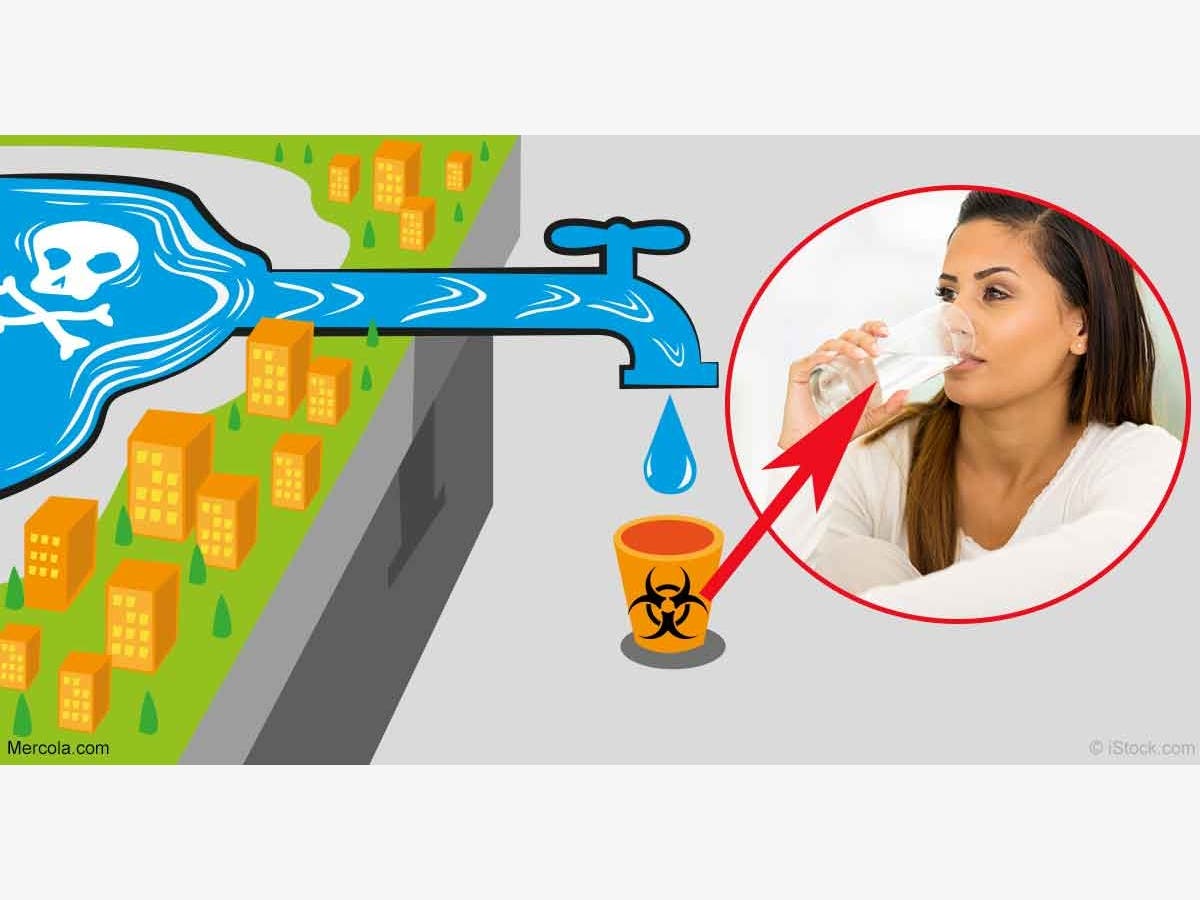
Filtering your drinking water is also important, since atrazine is the most commonly detected pesticide in U.S. water supplies.
If you know you have been exposed to pesticides, eating fermented foods and/or using infrared therapies can also be helpful.