Neighbor News
Avoid These Juicing Mistakes
There are many health benefits to juicing, but there is also a lot of labor.

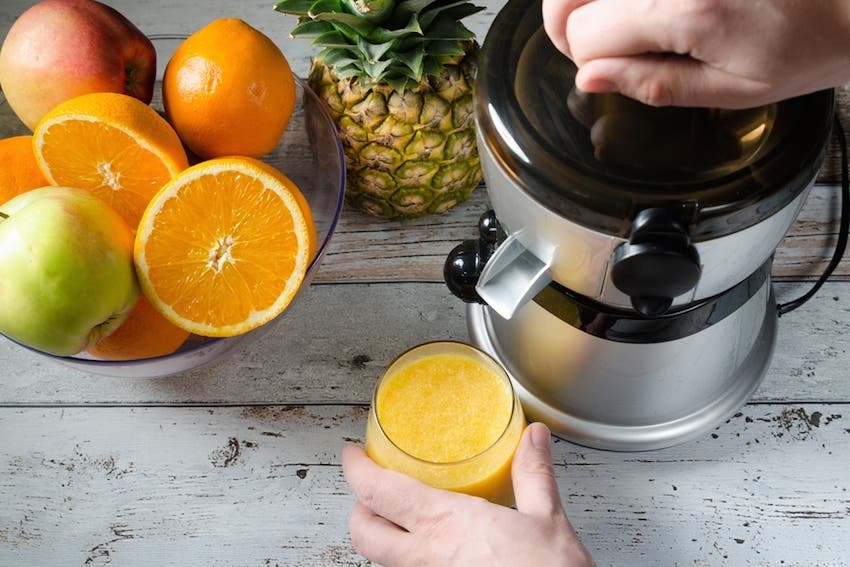
Juicing has been an up and down trend for decades. The major advantage of juicing is that it condenses plant based nutrition, which includes; vitamins, minerals, antioxidants, enzymes and other phytochemicals. Juicing supercharges each and every cell in your body, to slow down the ageing process, to boost immunity and to help your body to function at an optimal level.
You can obtain far more nutrients by drinking the juice from fruits and vegetables as compared to trying to eat them. Of course, by eating them, you will obtain the fiber that the juice is lacking.
This juicing advice comes from Food Matters:
Find out what's happening in Ramseyfor free with the latest updates from Patch.
Mistake #1: Raw Gone Wrong:
Most fruits and vegetables are highly nutritious when eaten in their raw state. However, certain veggies are definitely best eaten cooked, as heat disables certain enzymes in these foods which are difficult to digest. Eggplant, potatoes, certain beans, zucchini, sweet potato and rhubarb all contain such enzymes and are best left out of your juices.
Additionally, some fruit and veggies contain cyanogenic glycosides, which are toxic (even fatal) when consumed in high doses. These are found in the pits or seeds of apples, apricots, plums, peaches and cherries. Just like you wouldn’t munch down the seeds raw, make sure you only juice the flesh of these fruit.
Solution? Don’t juice from the list of ‘no-go’ raw veggies and strictly remove the seeds and pits from fruits containing cyanogenic glycosides.
Find out what's happening in Ramseyfor free with the latest updates from Patch.
Mistake #2: Too Much Tooty Fruity:
In its whole form, fruit is high in vitamins, fiber, nutrients and phytochemicals. In its juice form, it is also high in fructose, a source of natural sugar.
When fruit is juiced and the fiber is extracted, fructose is taken from the fruit and concentrated in the liquid juice. This can spike your blood sugar levels, cause flatulence, affect your mood or make it harder to maintain a healthy weight. If you struggle with candida or diabetes, this may also worsen your condition.
Solution? Stick to one piece of fruit in your juices to add a little sweetness and take away the bitter edge. You can also add lemon, lime, ginger, cayenne (if you like spice) and mint to nicely flavor your juices. Cucumber also dilutes any bitter taste quite well.
Mistake #3: It’s Just Bad Timing:
As soon as your juice is made and exposed to heat and light, these factors start to oxidize and break down nutrients and enzymes. Therefore, the optimal time to drink your juice is when it’s fresh from the juicer!
Ideally, it’s also helpful to try to drink your juice on an empty stomach, at least half an hour before a meal, to optimize absorption of the juice of nutrients.
Solution? Drink your juice within 15 minutes after it’s made. If you absolutely cannot do this, store your juice in a dark airtight container, keep it cold fridge and drink it as soon as possible.
Mistake #4: The Crux Of Cutting:
Preparing your food for juicing is a somewhat double-edged sword. On one side, prepping your produce does take time and you don’t want to waste unnecessary time in the kitchen. On the other hand, not preparing your veggies properly can affect your juice and even damage the machine. Here’s a few tips:
1. Cut your veggies according to the size of your machine’s specifications. Especially for cold-press slow juicers, big chunks can strain and even crack the parts. Stick to manageable pieces that the machine can process without making weird squeaking or grinding noises - this can indicate the parts are straining to process your pieces.
2. Invest in good cutting equipment! A non-slip cutting board, vegetable peeler and sharp knife will make life so much easier! If you juice a lot, a vegetable julienne dicer with a ‘cube cutting’ function can also cut down cutting time.
Mistake #5: Not Spreading Around The Veggie Love:
Our bodies need dietary variety, plus it’s also true that you can have too much of a good thing! Try not to be too repetitive with the ingredients that you use in your juices to ensure that you’re getting a wide range of nutrients. Aim for a rainbow of variety, as different colors in vegetables tend to indicate different nutrient profiles.
In particular, it’s advisable to rotate your greens and other veggies which are high in a natural plant chemical called goitrogens. Goitrogens are natural compounds that can interfere with your thyroid hormone production, if you have a thyroid condition. Goitrogens are found in many green leafy and cruciferous vegetables. Therefore, if you have thyroid issues, it may be helpful to regularly cycle the types of green leafy and cruciferous veggies that you use in your juices.
Other Solutions?
Lightly blanch and then freeze greens before juicing. This breaks down the enzyme myrosinase, which helps to reduce the goitrogenic load of food. You can also increase your intake of foods rich in iodine and selenium, such as kelp, nori, seaweed, brazil nuts, fish and sunflower seeds. This will help to counter the effects of goitrogens. You can learn more about goitrogens here!
Mistake #6: Not Enough Green Envy:
Whilst we’ve just talked about the importance of mixing up your veggies, also ensure that you’re regularly including plenty of greens in your regular juice repertoire! Green juices are rich in chlorophyll, which alkalizes and oxygenates your body’s cells. Greens also assist with detoxification, circulation and increased energy. Plus, they won’t interfere with your blood sugar levels. Greens are your all-round good guys for vitality!
Solution? Include a regular hit of greens in your juices… Just make sure to rotate the types you use (eg spinach, kale, silverbeet, romaine, dandelion greens, rocket, lettuce).
Mistake #7: You Need To Chill Out With Your Juice:
It’s important to drink your juice in a relaxed state of mind. Digestions slows down when you’re in a stressed ‘fight or flight’ mode. Therefore, take the time and care to sit down, relax and slowly enjoy your revitalizing beverage.
Instead of gulping down your juice, try to sip your juice slowly and mindfully. As weird as this may sound, even hold or ‘swish’ the juice in your mouth for a moment before swallowing. This allows the juice to mix with saliva and trigger the initial stages of digestion, which all happen in the mouth, not the stomach, as many of us have been lead to believe!
Mistake #8: The Dirt On, Well...Dirt!
Once you’ve left a dirty juicer for any length of time, you won’t be in a hurry to do this again anytime soon! The fine pulp leftover from your juice dries out very quickly and assumes a cement-like quality rather quickly.
Not only does this make you have to soak and scrub, but it’s also unhygienic. Food borne bacteria love opportunities like this to replicate. Your equipment also winds up stained and worn out much quicker.
Solution? Wash your juicer as soon as you’ve finished with it. If you absolutely can’t get to it straight away, at least disassemble the parts and soak in some warm, (eco) soapy water. A toothbrush can also be handy to clean out those nooks and hard-to-scrub spots!
Finding The Perfect Juicer:
Buying a quality juicer does save you time and money in the long-term. A cold-press, slow juicer will extract significantly more liquid and produce a higher quality juice. This is because it produces less heat and less physical damage to the cells and enzymes of your produce as it is processed. They are often quieter than less expensive centrifugal juicers. They are also easier to clean, come with a good warranty and provide a wider range of other cooking functions.
Solution?
Read the Juicer Buying Guide to find the perfect juicer for you!