Neighbor News
Can Sunshine & Spice Treat Psoriasis?
Approximately 7.5 million Americans suffer with psoriasis.

Psoriasis is not contagious, but is an inflammatory response, which can lead to an infection, especially if you frequently scratch the psoriatic areas.
Each of the five forms of psoriasis have slightly different symptoms, but they all are irritating and itchy.
1. Plaque psoriasis is the most common type, which is characterized by red, raised skin patches that are often covered with dead skin cells appearing silvery white. The patches show up most often on the elbows, scalp, knees and lower back.
Find out what's happening in Ramseyfor free with the latest updates from Patch.
2. Guttate psoriasis usually shows up as small dot formations that begin in childhood. They may have been triggered by a streptococcal infection. About 10%of people who develop psoriasis experience guttate psoriasis, which is the second most common type.
3. Inverse psoriasis shows up in your body folds as dark red patches that may be smooth and shiny.
Find out what's happening in Ramseyfor free with the latest updates from Patch.
4. Pustular Psoriasis can be identified by blisters filled with noninfectious pus. They appear more often on the hands and feet, and are filled with white blood cells that are not infectious.
5. Erythrodermic psoriasis is the more severe form of psoriasis, which is characterized by widespread itchy, painful areas that are fiery red and cover most of your body. It is rare with only 3%of people who have psoriasis experience it in their lifetime.
Your skin has three major layers: the epidermis, dermis and deeper subcutaneous tissue made of fat and connective tissue. It is the growth rate of the epidermis that changes and produces the symptoms of psoriasis.
Your epidermis has another four or five layers through which the cells travel before being shed from your body. Cell growth production occurs at the basal level, closest to the dermis. The cornified layer, or the outermost layer, is composed of between 10 and 30 layers of skin, depending upon the area of your body.
The skin over your feet and palms of your hands is thicker than the skin under your eyes or over the back of your fingers. Most of the barrier functions of the skin are localized on the cornified layer of your skin.
Psoriasis develops when your body triggers an excessive production of skin cells at the lowest layer of skin. This overgrowth pushes more cells to the top layer of skin that has not yet differentiated enough to slough off your body.
This results in a buildup of skin cells on the top layer that may be itchy, red, patchy and have a silvery appearance due to the dead cells that have not yet fallen off.
Common Psoriasis Triggers:1. Laundry detergent
2. Soaps
3. Cleaning chemicals
4. High levels of alcohol in men
5. Skin injury, such as bug bites, cuts and sunburn
6. Metals, such as nickel in your jewelry
7. Perfumes
8. Skin infections
9. Specific medications
10. Dry skin
11. Cold, dry weather
12. Animal dander
Psoriasis Treatment Options:
Steroid creams may be effective immediately, but your body may quickly develops a tolerance. They also may cause an imbalance in the adrenal system.
Light therapies, vitamin A derivatives, anti-inflammatories, immunosuppressants and medications used off-label are also common treatments.
Here Are Some Natural Strategies:
Researchers have demonstrated a strong track record of successful results when sufferers optimize their vitamin D levels. Many people with plaque psoriasis, suffer with vitamin D deficiency year-round.
It is important to note that illnesses commonly associated with psoriasis, such as cardiovascular disease, type 2 diabetes, osteoporosis and metabolic syndrome, are also associated with low levels of vitamin D.
Several conditions may contribute to low vitamin D levels, including sun avoidance, malabsorption and long-term use of corticosteroids, which are commonly used to treat psoriasis.
If you have psoriasis, it is vitally important to have vitamin D blood tests done on a regular basis and to also take vitamin K2 , if you use a vitamin D3 supplement. I prefer the MK7 version of vitamin K2, taken at 10 micrograms for every 1,000 IU of D3. Make sure to consult your physician if you are taking blood thinners, prior to starting with a Vitamin K2 supplement.
Vitamin K2 works with D3 to get calcium to the bones and teeth where calcium belongs and not into the soft tissues and blood vessels, where calcium should not build up.
If you are taking statins for reducing your cholesterol, you may need to increase your K2 intake, since statins appear to rob the body of vitamin K2. Vitamin K2 is a cousin of vitamin K and was only discovered a few decades ago. An accurate lab test has not yet been perfected for testing for vitamin K2. It wasn't that long ago when there wasn't a blood test for vitamin D.
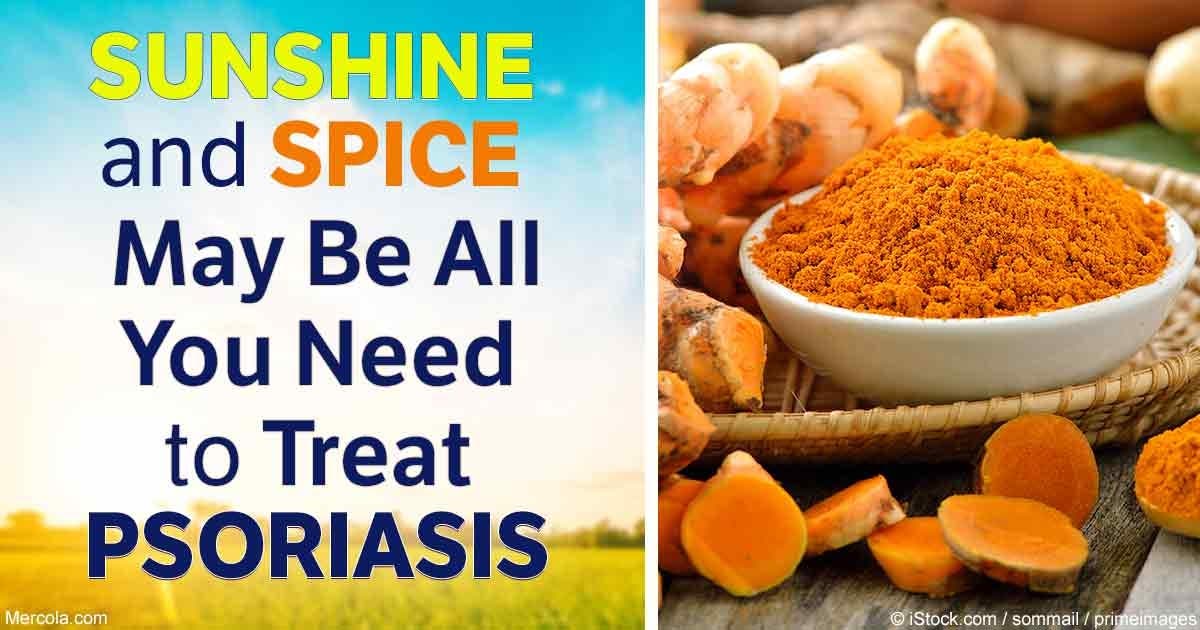
Turmeric:
Turmeric is an aromatic spice commonly used in Indian cuisine and has been prevalent in Eastern cultures as a natural medicine and spice for thousands of years. Although research has not been conclusive, some evidence suggests its potent anti-inflammatory and antioxidant properties may help manage your psoriasis.
One study evaluated a topical preparation of turmeric, noting significant improvement in symptoms over the nine-week course of treatment. There was also a reduction in the number of new lesions. The anti-inflammatory properties of turmeric are likely responsible for these improvements.