Neighbor News
Curcumin & Depression
Herbs and spices are considered to be the first forms of medicine ever used by the ancients.

Hippocrates (460-377 BC), wrote about spices and herbs, including saffron, cinnamon, thyme, coriander, mint, and marjoram. He praised the medicinal properties of many herbs and spices. Of the 400 herbal remedies utilized by Hippocrates, at least half are still in use today. Maybe we should investigate the ones that are not being currently used?
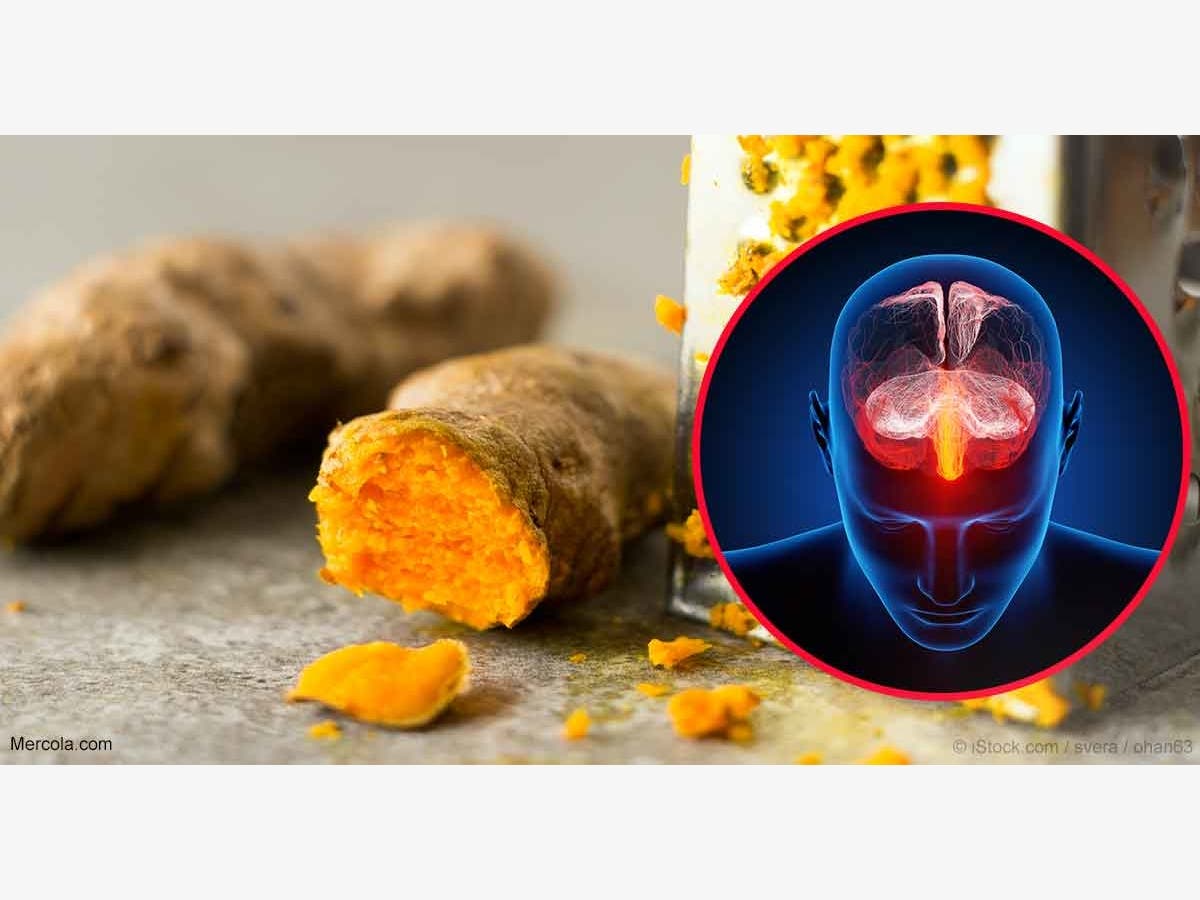
Curcumin, the active ingredient in the Indian spice turmeric, is a polyphenol that has over 160 potentially therapeutic activities.
It has been reported that curcumin may be helpful against depression, especially atypical depression.
Find out what's happening in Ramseyfor free with the latest updates from Patch.
Two active components in saffron, crocin and safranal, also have known antidepressant effects. At least three studies have found saffron is as effective as generic Prozac for treating depression.
One of the mechanisms behind curcumin’s beneficial impact on depression appears to be its anti-inflammatory properties. Gastrointestinal inflammation increases the risk of depression. This makes sense, since a large amount of serotonin, which is called the "feel good" hormone, is produced by the gut. If the gut isn't working properly, serotonin production may then be inhibited.
Find out what's happening in Ramseyfor free with the latest updates from Patch.
Curcumin has been found to have antioxidant and anticancer properties.
One great advantage of curcumin is that it has the ability to cross your blood-brain barrier and it exhibits potent neuro-protective properties, which may make curcumin beneficial for neurodegenerative disorders such as Parkinson's disease.
Other Supplements of Potential Significance:
Animal-based omega-3 (in the form of fish oil)
Methylfolate (an effective form of folic acid)
S-adenosylmethionine (SAMe)
If you or someone you know is depressed, taking supplements alone isn't a good idea, especially if there may be suicidal thoughts. Working together with a qualified healthcare professional is always a wise decision.
In case of an emergency involving depression, call The National Suicide Prevention Lifeline at 800-273-8255 or 911.