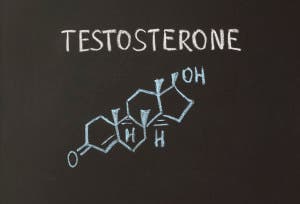
Testosterone plays a great role in men’s reproductive function. It also contributes to their muscle mass, hair growth, bone density, red blood cell production and emotional health.
Testosterone levels in men naturally decline with age, beginning at age 30 and continue to do so as men advance in years.
How Do Environmental Toxins Affect Your Testosterone Production?
Find out what's happening in Ramseyfor free with the latest updates from Patch.
Unfortunately, widespread chemical exposure is also causing this decline to occur in males as early as childhood and is significantly impacting male physiology. Recently the active ingredient in the herbicide Roundup was found to interfere with the ability to produce testosterone. Roundup also negatively impacts human digestion and contributes to leaky gut syndrome.
The escalating amount of chemicals being released into the environment can no longer be ignored, as these toxins are disrupting animal and human endocrine systems.
Find out what's happening in Ramseyfor free with the latest updates from Patch.
What’s even more alarming is that many of these endocrine-disrupting chemicals (EDCs) have “gender-bending” qualities.
EDCs are everywhere, in personal hygiene products, chemical cleansers, in your food and in your drinking water.
EDCs Can Affect Men’s Health as Early as Infancy:
Sexual development in both girls and boys are occurring earlier than expected. In a study published in the journal Pediatrics, boys are experiencing sexual development six months to two years earlier than the medically-accepted norm, due to exposure to hormone-disrupting chemicals.
Some boys even develop enlarged testicles and penis, armpit or pubic hair, as well as facial hair as early as age nine! Early puberty is not something to be taken lightly because it can significantly influence physical and psychological health, including an increased risk of hormone-related cancers.
The more women are exposed to these hormone-disrupting substances, the greater the chance that their sons will have smaller genitals and incomplete testicular descent, leading to poor reproductive health. EDCs are also a threat to male fertility, as they contribute to testicular cancer and lower sperm count.
Phthalates are another class of gender-bending chemicals that can “feminize” men. Phthalates areoften added to plastics. These endocrine-disrupting chemicals have a disastrous effect on male hormones and reproductive health. They are linked to birth defects in male infants.
Aside from phthalates, other chemicals that possess gender-bending traits are:
1. Bisphenol-A (BPA) – Common in plastic products such as reusable water bottles, food cans, and dental sealants. BPA is an estrogen mimicker that can alter fetal development and heighten breast cancer risk in women.
2. Perfluorooctanoic acid (PFOA) – A potential carcinogen commonly used in water- and grease-resistant food coatings.
3. Methoxychlor (insecticide) and Vinclozin (fungicide) – Shown in studies to induce changes in four subsequent generations of male mice after initial exposure.
4. Nonylphenol ethoxylates (NPEs) – Potent endocrine-disruptors that can interfere with your gene expression and glandular system. They are also referred to as estrogen-mimicking chemicals that have been implicated in unnatural sex changes in male marine species.
5. Bovine growth hormones – Estrogen-mimicking and growth-promoting chemicals that are added to commercial dairy products.
6. Unfermented soy products – Contain antinutrients and hormone-like substances, and are NOT health foods (contrary to popular belief).
7. MSG – A food additive that can impact reproductive health and fertility.
8. Fluoride – A potent neurotoxin found in certain US water supplies and is linked to endocrine disruption, decreased fertility rates, and lower sperm counts.
9. Pharmaceuticals that provide synthetic hormones – Pharmaceuticals like contraceptives and provide you with synthetic hormones that your body isn’t designed to respond to and detoxify properly. Chronic illnesses may result from long-term use of these drugs.
10. Metalloestrogens – A class of cancer-causing estrogen-mimicking compounds that can be found in thousands of consumer products. Included in the list of potent metalloestrogens are aluminum, antimony, copper, lead, mercury, cadmium and tin.
How to Limit Your Exposure to Gender-Bending Chemicals:
It is virtually impossible to completely eliminate contact with EDCs, but there are a number of practical strategies that you can try to limit your exposure to these gender-bending substances. The first step would be to stop using Teflon cookware, as EDCs can leach out from contaminated cookware. Replace them with ceramic ones. Stop eating out of cans, as the sealant used for the can liner is almost always made from powerful endocrine-disrupting petrochemicals known as bisphenols, e.g. Bisphenol A and Bisphenol S.
You should also get rid of cleaning products loaded with chemicals, artificial air fresheners, dryer sheets, fabric softeners, vinyl shower curtains, chemical-laden shampoos and personal hygiene products that are not natural in nature. Replace them all with natural, toxin-free alternatives. Adjusting your diet can also help, since many processed foods contain gender-bending toxins. Switch to organic foods, which are cultivated without chemical interventions.
Nutrients That Can Help Boost Testosterone Levels:
There are two nutrients that have been found to be beneficial to testicular health and testosterone production.
1. Zinc is an important mineral in testosterone production.The National Health and Nutrition Examination Survey found that about 45% of adults over 60 have low zinc levels due to insufficient intake.
It was found that supplementing with zinc for as little as six weeks has been shown to improve testosterone in men with low levels. On the other hand, restricting zinc dietary sources yielded to a drop in the production of the male hormone.
Excellent sources of zinc include; oysters, protein-rich foods like meats and fish, raw milk and raw cheese, beans and fermented foods, such as yogurt and kefir.
You may also take a zinc supplement to raise your levels. Just stick to a dosage of less than 40 milligrams a day. Overdosing on zinc may cause nausea or inhibit the absorption of essential minerals in your body, such as copper.
2. Vitamin D deficiency is a growing epidemic in the US, and is profoundly affecting men’s health. The cholesterol-derived steroid hormone vitamin D is crucial for men’s health. It plays a role in the development of the sperm cell nucleus, and helps maintain semen quality and sperm count.
Vitamin D can also increase your testosterone level, helping improve your libido. Have your vitamin D levels tested using a 25(OH)D or a 25-hydroxyvitamin D test. The optimal level of vitamin D is around 50 to 70 ng/ml for adults.
Also:
1. Limit processed sugar in your diet
2. Eliminate refined carbohydrates from processed foods
3. Consume plenty of vegetable and healthy fats
4. Consume organic, cold processed and high-quality whey protein
5. Exercise as a Testosterone Booster, such as high-intensity interval training and strength training.
6. Address your chronic stress