Neighbor News
Depression & Inflammation
While many other factors are involved, inflammation can have a profound impact on your mental health.

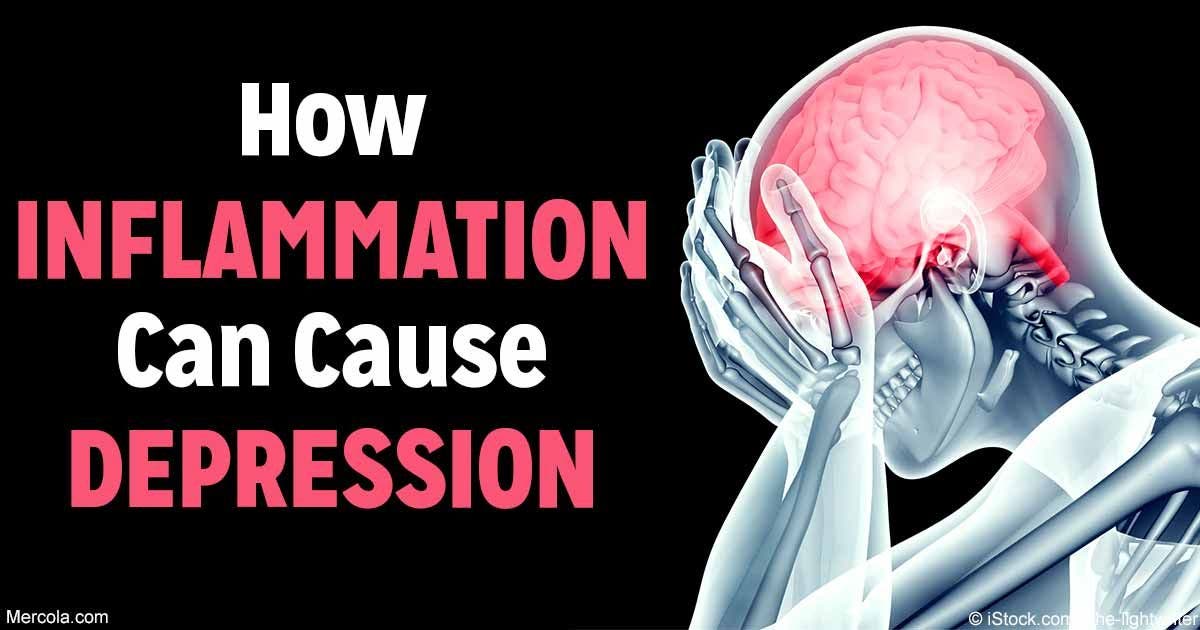
We know that inflammation is related to health issues such as heart disease, stroke and diabetes, but now depression is increasingly recognized as a problem rooted to chronic inflammation.
The study of these connections is known as psychoneuroimmunology, or the impact of inflammation on behavior. As noted in one 2012 study in the Journal Neuropsychopharmacology:
“Elevated biomarkers of inflammation, including inflammatory cytokines and acute-phase proteins, have been found in depressed patients and administration of inflammatory stimuli has been associated with the development of depressive symptoms...Psychosocial stress, diet, obesity, a leaky gut and an imbalance between regulatory and pro-inflammatory T cells also contribute to inflammation and may serve as a focus for preventative strategies relevant to both the development of depression and its recurrence.”
Find out what's happening in Ramseyfor free with the latest updates from Patch.
Depressive symptoms most strongly associated with chronic inflammation include a flat mood, slowed thinking, avoidance, alterations in perception and metabolic changes.
Cytokines in your blood, or inflammatory messengers such as CRP, interleukin-1 (IL-1), interleukin-6 (IL-6) and TNF-alpha are all predictive of and correlate to depression.
Find out what's happening in Ramseyfor free with the latest updates from Patch.
If chronic inflammation feeds depression, natural anti-inflammatory nutrients should logically fight depression.
Raw nuts are a great source of healthy fat, and eating one ounce, which is about a handful, of nuts five times per week, can reduce inflammation according to recent research.
By looking at data from two long-term studies, which are the Nurses’ Health Study (NHS) and the Health Professionals Follow-Up Study (HPFS), the researchers found that people who ate nuts at least five times a week, had 20% lower CRP levels and 16% lower IL-6 than those who rarely or never ate nuts.
Anti-inflammatory ingredients in nuts include fiber, magnesium, antioxidants, the amino acid L-arginine and unsaturated fatty acids, such as α-linolenic acid. Organic, raw and unpeeled nuts are ideal, as processing can destroy many nutrients. Most of the antioxidants are actually in the skin. When roasted and/or peeled, those valuable antioxidants are lost.
Macadamia nuts and pecans provide the highest amount of healthy fat while being on the lower end in terms of carbs and protein. Raw macadamia nuts also contain high amounts of vitamin B1, magnesium and manganese. About 60% of the fatty acid in macadamia is the monounsaturated fat oleic acid. This is about the level found in olives, which are well known for their health benefits.
Pecans provide more than 19 different vitamins and minerals that studies suggest can help you lower LDL cholesterol and promote healthy arteries. Pecans are also in the top 15 foods known for their antioxidant activity, according to the U.S. Department of Agriculture (USDA).
The Importance of Animal-Based Omega-3 DHA:Animal-based omega-3 is a potent and all-natural anti-inflammatory. While many nuts contain plant-based omega-3s, your body cannot efficiently convert the alpha-linolenic acid (ALA) found in plants to the docosahexaenoic acid (DHA) found in marine sources, such as fatty fish and krill. DHA is particularly important for brain health, since more than 90% of the omega-3 fat that is in your brain tissue, is DHA. Avoid making the mistake of thinking you can get all the omega-3 you need from plant sources.
If you’re struggling with depression or other inflammation-based conditions, learn more about the differences between plant- and animal-based omega-3 fats.
Vitamin D is a Potent Anti-Inflammatory:Vitamin D also inhibits inflammation. Vitamin D produces over 200 anti-microbial peptides and turns on a large number of beneficial genes, including one that improves your ability to fight infections and chronic inflammation.
Vitamin D deficiency has also specifically been linked to depression. You should get your vitamin D tested on at least an annual basis. You should have a vitamin D level of at least 40 to 60 nanograms per milliliter (ng/ml). I prefer 60 to 100 nanograms per milliliter (ng/ml).
Gut Health & Inflammation:
Don't forget about fighting depression by optimizing your gut microbiome. Impaired gut flora is frequently involved in depression. The majority of the feel good hormone serotonin is produced by the gut bacteria. Prozac and Zoloft are drugs that increase serotonin levels, but with many potential side effects. One of the easiest ways to help reseed your gut with beneficial bacteria, is to eat traditionally fermented and cultured foods such as kefir, natto, kimchi and fermented vegetables. Most of them are inexpensive and easy to make from scratch at home.