Neighbor News
Do You Have a Sluggish Thyroid?
A sluggish thyroid can make you feel tired and can cause you to gain weight.

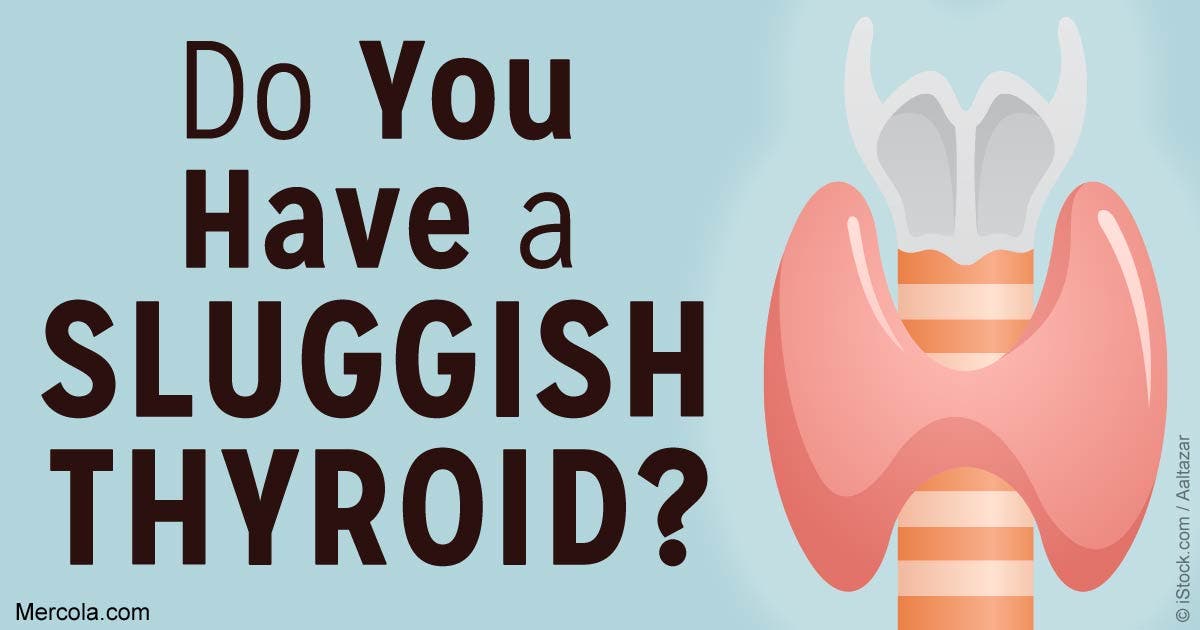
Your thyroid plays a role in nearly every physiological process, so the symptoms of a sluggish thyroid gland can vary greatly from person to person. That is why many people with a low thyroid function, which is called hypothyroidism, are not properly diagnosed.
Most people know that the thyroid gland is commonly related to your energy level and to your body weight, but they might not realize that a sluggish thyroid can also be related to depression, heart disease, chronic fatigue syndrome, fibromyalgia, PMS, menopausal symptoms, muscle aches, joint pains, irritable bowel syndrome, constipation, brittle hair, hair loss, dry skin, weak nails, poor circulation and autoimmune diseases.
On top of all of those symptoms, a sluggish thyroid can also be coupled with high cholesterol, an irregular menstrual cycle, low libido, infertility, gum disease, fluid retention, acne, eczema and memory problems.
Find out what's happening in Ramseyfor free with the latest updates from Patch.
Excessive sugar intake, eating processed foods, having high levels of stress, being exposed to environmental toxins and a lack of physical activity, can all contribute to a sluggish thyroid gland.
It is estimated that more than 10% of the general population in the United States and 20% of women over the age of 60, have subclinical hypothyroidism. But only a small percentage of these people are being treated, because most don't even know that they have it. If you have subclinical hypothyroidism, you are not off enough to have full-blown hypothyroidism, but your thyroid isn't functioning as it should and you may be experiencing some symptoms.
Find out what's happening in Ramseyfor free with the latest updates from Patch.
If you think that you have hypothyroidism, or subclinical hypothyroidism, it might be a good idea to get your thyroid properly evaluated by your primary healthcare provider, as well as by a natural healthcare practitioner that can give you natural thyroid treatment alternatives. These alternatives might be lifestyle modifications and nutritional protocols to help your thyroid. Then you can decide what course of treatment might be best for you.