Neighbor News
Falls, Injuries & Premature Death for Seniors
When you're young you don't think much about falling, but as you get older, falling becomes a great concern.

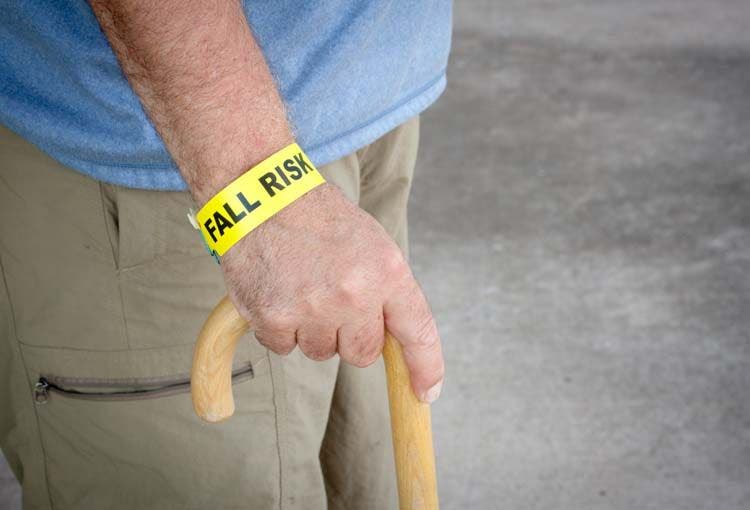
As you age, your muscle mass and bone mass decrease, as do the senses that guide your balance. Vision, touch and proprioception are also all on the decline. These factors all make seniors more unsteady on their feet.
When you combine all of those factors, with the fact that most seniors have declining bone density, falling makes seniors much more vulnerable to fractures, which can have very serious consequences.
Falls for people over 65 can be quite common. The latest data from the U.S. Centers for Disease Control and Prevention (CDC), states that more than 1 out of 4 older Americans fall each year. Once a senior falls, it doubles their odds to fall again.1
Find out what's happening in Ramseyfor free with the latest updates from Patch.
Each year, 2.8 million older adults are treated in emergency rooms due to falls. More than 800,000 of them are hospitalized as a result, typically because of a head injury or a hip fracture.
300,000 older adults are hospitalized in the U.S. each year due to hip fractures, more than 95% of which are caused by falling.
Find out what's happening in Ramseyfor free with the latest updates from Patch.
Falls are also the most common cause of traumatic brain injuries and account for $31 billion in direct medical costs annually.
Falls in the Elderly Can Trigger a Downward Deterioration in Health:It is fortunate that about 80% of falls end up not being serious. But about 20% of falls lead to a broken bone, head injury or aother serious injury.
Many seniors who fall develop an intense fear of falling again, which leads them to limit their activities. Limiting activities leads to weakness and increases their chances of falling again.
In 2014 alone, the CDC reported that older Americans suffered from 29 million falls and a related 7 million injuries. In addition, CDC data suggests that 27,000 falls in the U.S. each year have fatal consequences.
These Factors Increase The Chances of Falling:
1. Lower body weakness
2. A Vitamin D deficiency
3. Difficulties with walking and balance
4. Use of certain medications, including tranquilizers, sedatives and antidepressants
5. Vision problems
6. Foot pain or poor footwear
7. Home hazards (throw rugs, clutter or uneven steps)
Optimizing Vitamin D3 Levels May Reduce Falls and Related Fractures:Vitamin D3 deficiency is rampant among the elderly. Researchers estimate that half of the general population is at risk of vitamin D3 deficiency or insufficiency, but among seniors that estimate reaches as high as 95%. Seniors should have their vitamin D3 tested at least once a year. When the take vitamin D3 as a supplement, vitamin K2 is also essential for building strong bones. For every 1,000 IU of vitamin D3, they should have 10 micrograms of the MK7 version of vitamin K2. I recommend Liquid D3 with K2 from Ortho Molecular Products, since they have a product that is a liquid with an eyedropper and therefore easy to absorb. Many seniors have a hard time digesting pills, which can sometimes pass right through them undigested. Each drop has 1,000 IU of D3 and 10 mcg of MK7 version of K2. If you are on a blood thinner, consult your physician, prior to taking any form of vitamin K.
Exercise Also Helps Reduce Falls and Fall-Related Injuries in the Elderly:
Preventing falls is one of the primary reasons why exercise remains so important as you get older, as physical activity is known to significantly reduce your chances of falling. If you do end up falling, research shows that regular exercisers are less likely to be injured as a result.
One study found that older adults who took part in an exercise program, were 37% less likely to be injured during a fall compared to non-exercisers.
Exercises should include strength training, balance training, flexibility work and endurance training.
The attached link, provides specific exercises that can reduce the chances of a fall.