Neighbor News
Fast Food & Hormone-Disruption
Besides containing a number of substances that are hazardous to your health, most fast foods also contain hormone-disrupting chemicals.

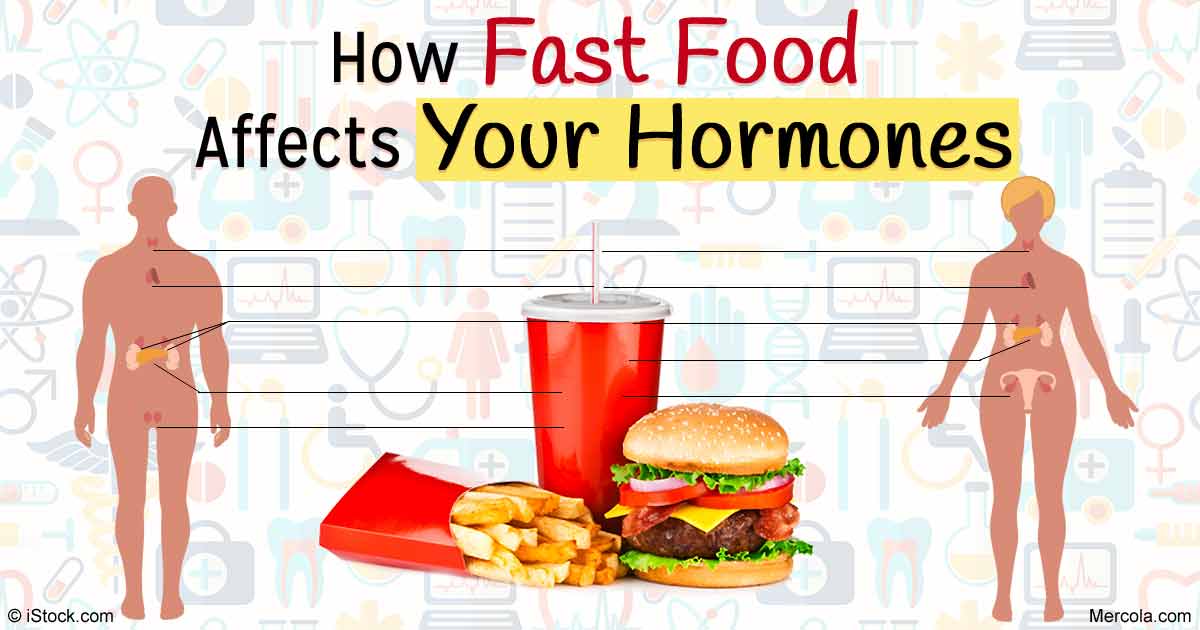
According to recent research, people who eat fast food, have higher levels of the hormone disrupting chemicals called phthalates in their urine. Phthalates are chemicals that make plastics more flexible.
The Centers for Disease Control and Prevention (CDC) collected data on nearly 8,900 Americans of various ages between 2003 and 2010. Participants reported everything they'd eaten in the past 24 hours and provided a urine sample. While other studies have investigated exposure to endocrine-disrupting chemicals from processed food in general, this is the largest study looking at exposure specifically from fast food meals.
"Fast food" was broadly defined as food from restaurants without table service and/or those with takeout or drive-through service. Approximately one-third of the respondents reported eating fast food during the 24 hour period prior to their blood test.
Find out what's happening in Ramseyfor free with the latest updates from Patch.
The two phthalate metabolites identified in this particular study were:
• Di(2-ethylhexyl)phthalate (DEHP) - Animal studies show that exposure to DEHP can damage the liver, kidneys, lungs, and reproductive system, particularly the developing testes of prenatal and neonatal males.
Find out what's happening in Ramseyfor free with the latest updates from Patch.
• Di-isononyl phthalate (DiNP) While DiNP has been considered harmless from a health and environmental perspective, more recent research suggests it may in fact have similar effects as DEHP and other phthalates.
Phthalates Add Up From Plastic Gloves, Conveyor Belts & Packaging:
The researchers point out that one reason fast food exposes you to higher levels of plasticizing chemicals, is because workers also use plastic gloves when handling each and every ingredient, which is a source of phthalate contamination, above and beyond the actual packaging.
Health Risks Associated With Phthalates:
Phthalates are also called "gender-benders", since they cause males of all species to become more female. These chemicals have been associated with testicular cancer, genital deformations, low sperm count and infertility. Phthalates have also been associated with reduced IQ in children, an enlarged prostate, testicular cancer, breast cancer, uterine fibroids, polycystic ovary disease, early or delayed puberty, miscarriage, allergies and respiratory problems.
Avoiding fast food can significantly cut your phthalate exposure.