Neighbor News
Food Can Improve or Worsen Thyroid Function
Which foods are good and which are bad for thyroid function can be confusing.

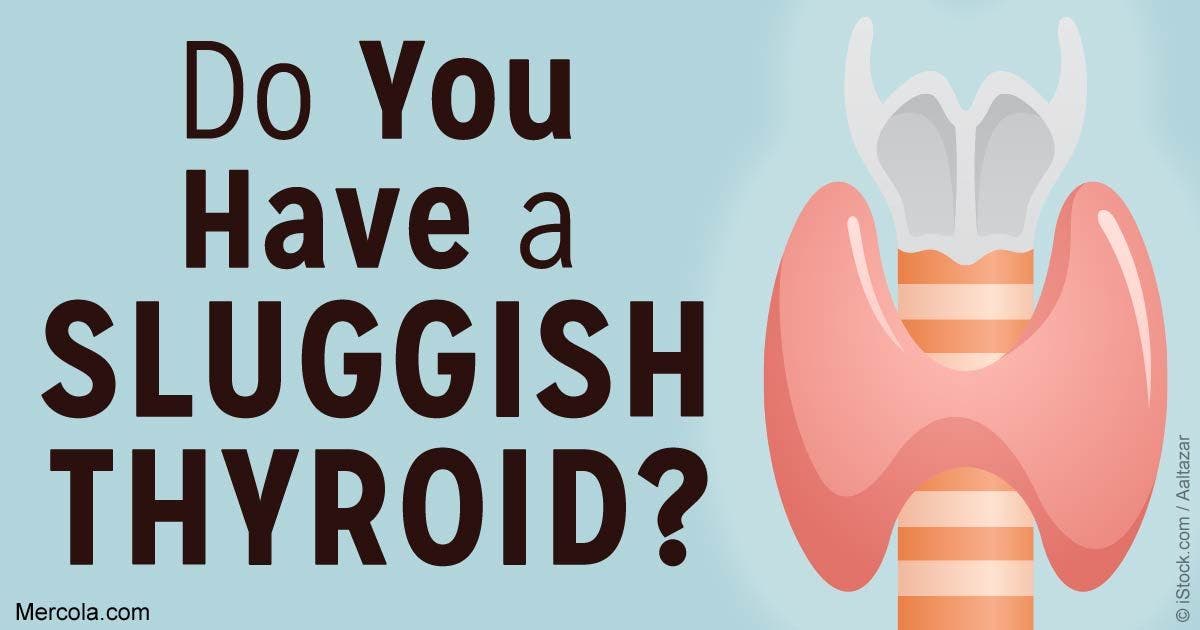
The thyroid gland helps to regulate metabolism, controls many functions of the body and interacts with many other hormones, from insulin to sex hormones.
Thyroid cells are the only cells in your body that can absorb iodine. We get iodine from the foods that we eat. The thyroid combines iodine with an amino acid called tyrosine and converts it to three types of hormones; triiodothyronine (T3), thyroxine (T4) and diiodothyronine (T2).
T3 and T4 are then released into your bloodstream for transport throughout your body. Every cell of your body uses thyroid hormones, so thyroid-related symptoms can vary.
Find out what's happening in Ramseyfor free with the latest updates from Patch.
How Thyroid Issues Are Diagnosed: Symptoms, Tests and Complications:
Find out what's happening in Ramseyfor free with the latest updates from Patch.
There are two main disorders related to the thyroid gland. Hypothyroidism, when your thyroid gland doesn’t produce enough thyroid hormone, is the most common and often linked to an iodine deficiency.
There are dozens of symptoms of hypothyroidism. Some of the most common include; cold sensitivity, hair loss (including the eyebrows), rough skin; dry, tangled hair, lethargy, weight gain, constipation, hypoglycemia and memory loss. Some less common symptoms include; fallen arches, asthma, psoriasis, neck pain, carpal tunnel syndrome, hoarseness, pale skin and vertigo.
Having an overactive thyroid is called hyperthyroidism and is also called Graves’ Disease. Many of the symptoms are the opposite of an underactive thyroid. Some common symptoms include; restlessness, and irritability, weight loss, a brain fog, frequent bowel movements, an irregular heartbeat and protruding eyeballs.
Lab tests that evaluate a thyroid imbalance include a thyroid antibody test and thyroid-hormone panel tests.
The problem is that as many as 80% of people with hypothyroidism, may test in the normal lab range, since the standard thyroid tests do not correlate well with tissue thyroid levels and can then lead to inaccurate diagnoses.
Most physicians and endocrinologists believe TSH is the best indicator of the thyroid function of an individual, but someone can suffer from a significantly slow thyroid, despite having a normal TSH, free T3 and free T4.
Doctors with a more holistic approach, tend to understand the importance of examining a patient’s symptoms, in combination with the tests.
A great test for thyroid function is one that can be done for free. All you need is an oral digital thermometer that you can purchase at any pharmacy. The test involves taking the axillary (arm pit) basal body temperature every morning upon awakening. The temperature should be taken with the armpit closed for 5 minutes and checked before you get out of bed. Do this for 5 days in a row. The average temperature should be between 97.8 - 98.2 degrees F. If the average temperature falls below 97.8 degrees F., you could have a sluggish thyroid.
Why Iodine, Selenium Are Important for Your Thyroid:
Iodine is directly involved in the development of your skeleton, brain and other crucial parts of your body. Iodine is a trace mineral found primarily in seafood, seaweed, plants grown in iodine-rich soil and unrefined sea salt. Other good sources of iodine include sea vegetables, organic, grass-fed yogurt, grass-fed organic cow’s milk and organic free range eggs.
Many people do not get enough iodine and contrary to popular belief, this includes many people in developed countries.
It is a fallacy that the iodine from iodized salt prevents iodine deficiencies, since that iodine is poorly absorbed and is not a healthy choice. Too much iodine, can also impair thyroid function.
Fluoride and chlorine also reduce the absorption of iodine by the thyroid. They compete with each other, since they are in the same column on the periodic table of elements.
Selenium is also important for thyroid health. Selenium is an antioxidant that helps decrease inflammation, regulates immune responses and helps to prevent chronic diseases. Good selenium sources are wild-caught Alaskan salmon, Brazil nuts, dairy products, garlic, onions, tomatoes and sunflower seeds. It is estimated that one billion people worldwide have a selenium deficiency.
Eating Cruciferous Veggies Can Improve a Dysfunctional Thyroid:
You’ve heard it since you were a kid: eat your vegetables. For people with hypothyroidism whose doctors have advised them against eating cruciferous vegetables, it must come as a surprise to learn that ingesting radishes, cabbage, broccoli and kale, in moderate quantities, can actually improve thyroid function, because they boost glutathione levels.
In the 1950s, scientists examined foods that might actually pose a negative risk, particularly in regard to the thyroid. These foods are called goitrogenic foods, potentially causing a swelling in the neck called a goiter. Glucosinolates in cruciferous vegetables were implicated as a likely culprit, however, studies to support that premise are scarce. It is still a good idea not to eat large quantities of these vegetables, since that could still interfere with your thyroid's ability to absorb iodine.
Good Foods for People With an Underactive Thyroid:
Fruits should be eaten sparingly, but there are many foods that are beneficial for those with hypothyroidism, including; squash, bell peppers, carrots, green beans, peas, tomatoes, celery, cucumbers, asparagus, eggplant, purple grapes, mangoes, pomegranates, blueberries, pineapples, kiwi, apples, citrus fruits, cherries and apricots.
Another nutrient good for your thyroid is niacin. A few of the foods with this nutrient not already listed include lamb and turkey.
What Foods Trigger Thyroid Issues?
If you’re wondering about the foods that might promote thyroid troubles, the worst ones are not whole foods.
As noted by Mind Body Green:
“Refined, processed, homogenized, pasteurized, genetically modified, fortified and artificially flavored (or colored or preserved) ‘foods.’ The key to fixing the body, not just covering up ailments or shifting symptoms, but truly fixing the body, is produce. The key to deteriorating your health is refined, processed foods.”
The following, which are often found in processed foods, might be most problematic:
- Gluten: with any thyroid issues, the first thing to eliminate is gluten. It can cause inflammation, gastrointestinal malfunction, thyroid disruption and other problems.
- Non-Fermented Soy: no matter how many “natural” soy products claim to be good for you, soy may alter hormone function, especially in women. A plethora of studies indicate that soy phytoestrogens can damage your thyroid, as well as cause cognitive decline
- Genetically Engineered (GE) Foods: genetically engineered foods may trigger both Graves’ and Hashimoto’s disease by eroding your gut lining.
- Bromines: bromine is a processed, endocrine-disrupting food additive often found in the flour used in bread and baked goods, sodas, sports drinks, toothpaste, mouthwash, plastic computer parts, upholstery and pesticides sprayed on strawberries.
Good nutrition goes a long way toward helping to manage and even reverse the symptoms of hypothyroidism. It is best to obtain your nutrition from foods if possible, rather than resorting to supplements.