Neighbor News
Food Dyes & Cancer
Vegetable coloring is fine to consume and can actually be good for you.

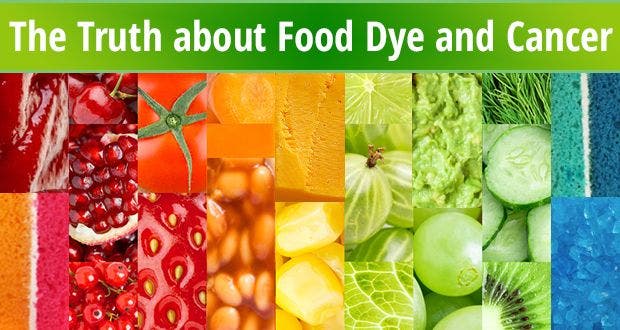
Many native tribes have used vegetable extracts as dyes for millennium.
We should try to consume fruits and vegetables of all the colors of the rainbow. These colors are made up of various phytonutrients. Red peppers and strawberries, orange carrots, yellow peppers and squash, green leafy vegetables, blue potatoes, purple grapes and eggplant all have various plant compounds that are excellent for us to consume.
These colors make food visually appealing, but so do artificial food dyes. We are attracted to food with our eyes, before anything goes into our mouths.
Find out what's happening in Ramseyfor free with the latest updates from Patch.
In the age of processed foods, it is all about appearance, smell, texture and taste. Artificial food dyes can be brighter and more attractive to many than the real thing.
Why Food Dyes are Used:
Find out what's happening in Ramseyfor free with the latest updates from Patch.
When food is mass-processed and artificially created, nutrients and natural colors are lost during the processing. In order to keep them appealing. Manufacturers add in artificial food dye, preservatives, and texturizers.
The natural beauty and the nutrition of foods are replaced with fake compounds, to make the food look, feel, smell and taste better.
Why Can’t the U.S. Follow the EU’s Lead?
In the United States, it continues to be big business to create these artificial foods, but the European Union decided to put a halt to potentially dangerous additives in 2010. The U.S. currently has no plans to ban food dye or alter any of the regulations concerning these additives. This is in spite of research that shows the danger food dyes pose to consumers, particularly children, who are also the primary demographic for most brightly colored foods. Rainbow cereals, blue energy drinks, electric-orange cheese and unnatural looking snacks are commonplace on your supermarket shelves.
In Britain, manufacturers were requested to replace artificial food colors and flavors with natural alternatives. At the very least, any foods containing artificial food dyes now have to carry a warning label.
Every single year, manufacturers dump over 15 million pounds of food dye into our food supply. These dyes can cause cancer in both lab animals and in humans. They have no nutritional value whatsoever, but continue to be used.
Food Dye Colors to Watch Out For - Some of the most dangerous color additives currently in use are:
Blue #1 (Brilliant Blue) – found primarily in baked goods, beverages, and cereals. It caused kidney tumors in laboratory mice.
Blue #2 (Indigo Carmine) – colorant in candies, pet food, and other items. Shown to cause brain tumors in rats.
Green #3 (Fast Green) – found in many cosmetics, candy, and drugs. Increases tumors of the bladder and testes in male rats.
Red #3 (Erythrosine) – colors maraschino cherries, baked goods, and candy. Banned by the FDA for causing thyroid tumors when used in externally applied cosmetics and topical drugs.
Red #40 (Allura Red) – the most widely used dye found in cereals, desserts, drugs, and cosmetics. Accelerates immune system tumors in mice and triggers allergic reactions and hyperactivity in children.
Yellow #5 (Tartrazine) – found in any number of baked goods, cereal, gelatin products, and dessert powders. Causes severe hypersensitivity and triggers hyperactivity disorders and other behavioral issues in children.
Yellow #6 (Sunset Yellow) – Used in beverages, desserts, gelatin, candy, and even sausage. Found to cause adrenal tumors and trigger severe hyperactivity in children.
Food Dye Made From Petroleum:
Petroleum-based food dyes are particularly dangerous. The dyes contain benzidine, proven to dramatically raise the risk of developing cancer. The Federal Food and Drug Administration (FDA) has stated that ingestion is typically under the “concern threshold.” Their routine tests are in question for not fully recognizing the true amount or levels that a body can store, therefore building up quantities in the body. They also don't take into consideration the increasing exposure of children to these substances. Some consider that less than 100 mg of food dye a day is the "acceptable" limit. Some children consume many times that amount. These dyes can radically change the brain chemistry and behavior of sensitive children, almost instantly.
Safer Food Color Options Do Exist:
The Center for Science in the Public Interest (CSPI) has accused the FDA of ignoring the evidence and failing to protect the public. With safer alternatives available, there is no reason to continue their use. Safe food dyes include those made from carrots, beets, berries, herbs, and spices such as saffron or paprika.
Orange soda in Britain is colored with pumpkin and carrot extracts, while in the U.S. it is made with Red40 and Yellow6. Cereal bars, thought by parents to be a healthier treat, use Red40, Yellow6, and Blue1 instead of beet, paprika, and annatto, which is made from seeds of the achiote tree.
Where to Find Natural Food Dyes in the U.S.:
Organic foods contain no food dyes. Some major health food chains, such as Whole Foods and Trader Joe’s, have banned items containing artificial dyes and even have natural food coloring available for home baking.
Avoiding food dyes for you and your family, is a great step towards an anti-cancer lifestyle.