Neighbor News
The Health Benefits of Ginger
Ginger is a very powerful spice with enough medicinal properties to fill several books.

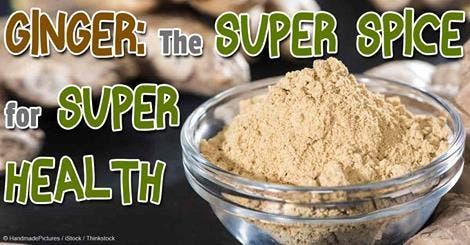
Ginger is a very powerful spice with enough medicinal properties to fill several books.
Fresh ginger root keeps well in your freezer. If you find yourself nauseous or with an upset stomach, mince up a small amount (about the size of your fingernail) and swallow it. You may surprised at the relief it provides. Ginger also works well treating motion sickness.
Therapeutic Benefits of Ginger Noted for Thousands of Years:
The medicinal uses of ginger have been known for at least 2,000 years in cultures all around the world. The origin of ginger is Asia, but ginger is valued in India, the Middle East, Africa and the Caribbean, among other areas.
Find out what's happening in Ramseyfor free with the latest updates from Patch.
The most commonly used medicinal part of the plant is the root-like stem that grows underground. It’s a rich source of antioxidants including gingerols, shogaols, zingerones. Ginger has broad-spectrum antibacterial, antiviral, antioxidant and anti-parasitic properties. Ginger possesses more than 40 pharmacological actions. Ginger’s anti-inflammatory properties rival non-steroidal anti-inflammatory drugs.
Research shows it has anti-tumor activity that may help treat difficult-types of cancer, including lung, ovarian, colon, breast, skin, and pancreatic.
Find out what's happening in Ramseyfor free with the latest updates from Patch.
As for diabetes, ginger appears to be useful both preventively and therapeutically via effects on insulin release and action and improved carbohydrate and lipid metabolism. Ginger also has also been established to have a protective effect against diabetes complications, including offering protection to the diabetic’s liver, kidneys, central nervous system and eyes.
12 More Uses for Ginger:
1. Improving cognitive function in middle-aged women
2. Protecting against respiratory viruses
3. Reducing vertigo
4. Enhancing fat digestion and absorption
5. Helping prevent heart attacks
6. Relieving arthritis pain
7. Preventing and treating nonalcoholic fatty liver disease (NAFLD)
8. Treating drug-resistant bacterial and fungal infections
9. Reducing damage and memory loss associated with a small stroke
10. Protecting against the DNA-damaging effects of radiation exposure
11. Fighting bacterial diarrhea
12. Protecting against toxic effects of environmental chemicals, such as parabens
For More Information: