Neighbor News
How To Naturally Avoid Poison Ivy
If you ever had poison ivy, you have to read this blog.

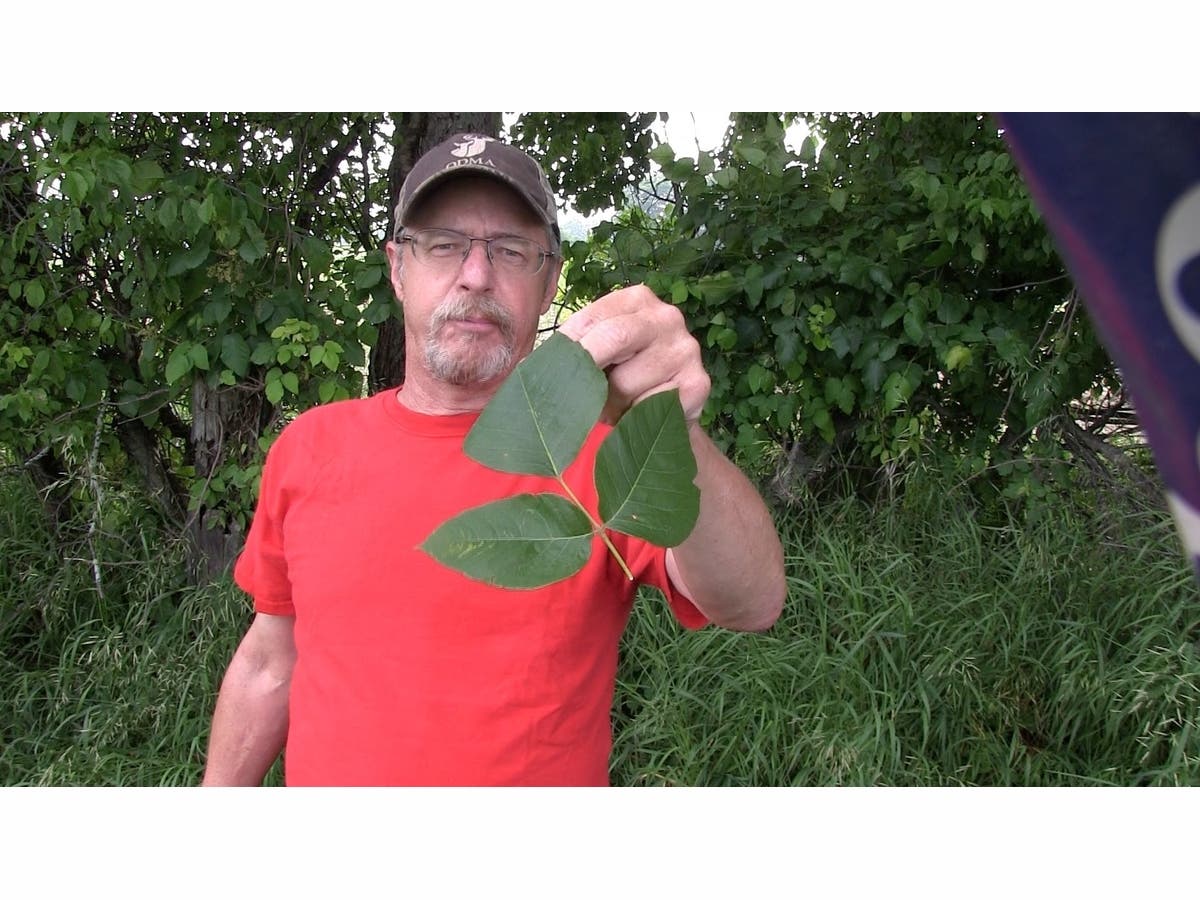
Nearly 75% of people will break out into a rash when exposed to poison ivy. About 25% appear to be resistant to the contact dermatitis that results from exposure to the oil in the plant, which is called urushiol.
Medically, steroids are commonly prescribed for poison ivy treatment, but if the poison ivy isn't severe, there are natural alternatives.
The rash typically begins in the first 12 to 72 hours after exposure to the urushiol oil. It is a good idea to refrain from scratching the rash as bacteria under your nails can infect the broken skin caused by the blisters.
Find out what's happening in Ramseyfor free with the latest updates from Patch.
Keep the area clean with soap and water to reduce the potential for infection.
If you know that you have breathed in plants that had been burned or you begin to have trouble breathing, you should seek immediate medical attention.
Find out what's happening in Ramseyfor free with the latest updates from Patch.
James Brauker, Ph.D., spent 25 years as a biomedical scientist studying skin inflammation. In the video link below, he explains the method he has used to reduce or eliminate outbreaks of contact dermatitis from the urushiol oil.
Tips From Mercola.com:
1. Remove the oil - Alcohol wipes may help to remove the oil from your skin if you don’t have immediate access to soap, water and a washcloth. Remove the oil as quickly as possible after exposure to reduce the severity of the rash and possibly eliminate the potential of getting it.
Remember to wipe every area of skin that may have contacted the plant or equipment that had touched the plant. Get between your fingers and use a brush to clean under your nails. Oil that remains under your nails may be spread when you touch other parts of your body. Use cool water and not hot to avoid irritating your skin or opening your pores, as this will allow the urushiol to be absorbed more quickly.
Another astringent you can use to remove the oil is the juice from a fresh lemon. Squeeze the juice onto a cotton pad and wipe the area. While this may remove much of the oil, it is important to also wash and use a washcloth to continue to remove the oil. Wash the washcloth in hot water through two cycles to ensure the oil has been removed.
2. Itching and inflammation - Cold compresses may help soothe the skin and reduce the discomfort. Soaking the area in a lukewarm oatmeal bath may help reduce the inflammation and soothe your skin. You may use oatmeal in a container that accommodates the entire area or take an oatmeal bath. Filter the water as it leaves the tub or pour the fluid down the garbage disposal from a small basin used to soak an area of your body, so it doesn’t clog your drain.
Baking soda in a lukewarm bath is recommended by the American Academy of Dermatology to soothe the skin and reduce the inflammation.24 The inside of a banana peel or watermelon rind may also help reduce the itch from the rash.
3. Do NOT scratch - The rash is very itchy, but you must refrain from scratching as much as possible. Bacteria under your nails may trigger a skin infection and scratching increases the damage to your skin and the potential for scarring. If the blisters from the rash do break open, leave them alone and cover them to prevent infection.
4. Reduce the reaction - A paste of bentonite clay and water covering the area where you first notice the contact dermatitis may reduce the reaction your skin experiences, and therefore your symptoms. Bentonite clay is a natural clay that may be purchased at your local health food store.
5. Speed healing - Soak a paper bag in apple cider vinegar and lay it across the rash. If you cool the apple cider vinegar first it will also help to reduce the itch as the vinegar helps to speed healing of the rash.
6. Cool the burning -One of the symptoms of contact dermatitis from poison ivy is a burning sensation over the rash area. The gel from an aloe vera plant may help to cool the burn from the rash in much the same way it helps soothe a sunburn.