Health & Fitness
How to Supercharge Your Salad
In general, our diets should include more plant-based nutrition, but we have to be careful as far as what plants we eat.

Lettuce Is a Top Source of Food Waste & Food Borne Illness:
Leafy greens, which includes lettuce, spinach, cabbage, etc., account for a surprisingly high 22% of all food borne illnesses from 1998 to 2008!
There are a few reasons for this, including contaminated water used to irrigate fields and manure that may be used for fertilizer or which contaminates the field from nearby farms.
Find out what's happening in Ramseyfor free with the latest updates from Patch.
Lettuce Isn’t That Nutritious Compared to Some Other Vegetables:
Just about every vegetable is mostly water, but lettuce is virtually all water, 96% for iceberg lettuce, for instance. Eating lettuce can fill you up and keep you from eating other less healthy foods and provides fiber, which many are lacking.
Find out what's happening in Ramseyfor free with the latest updates from Patch.
The lettuce in your salad really isn’t providing you with that much nutrition, especially if it’s iceberg. And if you’re on a budget, you want to make the vegetables you do buy count, nutritionally speaking.
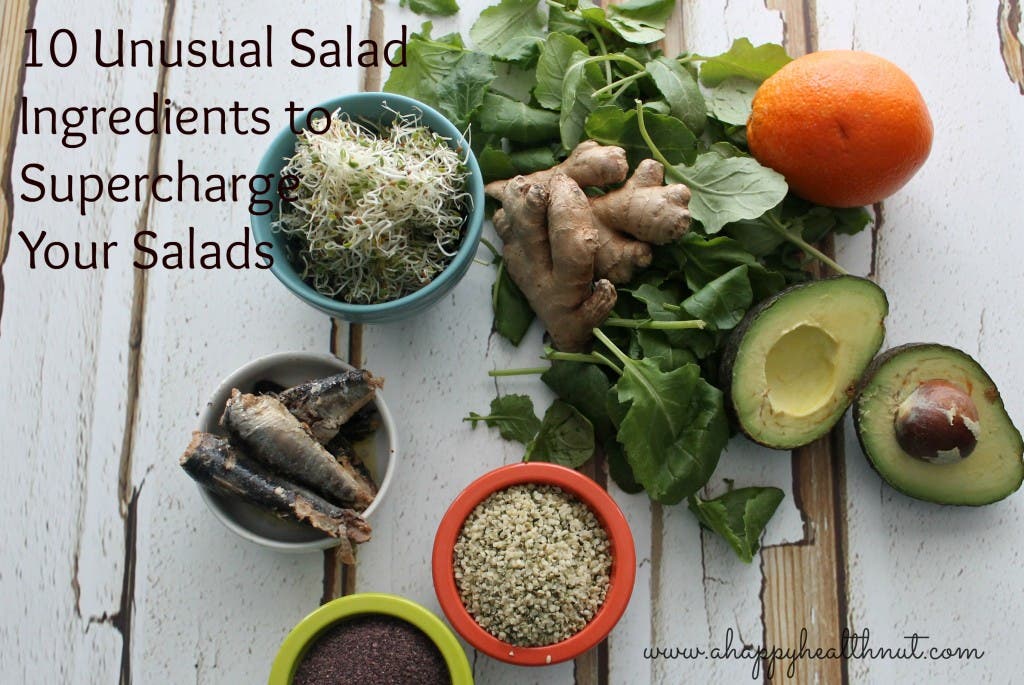
There are many other vegetables that are nutritionally superior than lettuce. Many are also less expensive and are also better for the environment than lettuce is:
1. Hemp Seeds - Hemp seeds are full of essential omega 6 and omega 3 fatty acids and they’re in the correct ratio! Due to their fatty acid content, hemp seeds can help keep your heart healthy by reducing inflammation. They may also help prevent Alzheimers, dementia and age-related memory loss. Another benefit is that they may aid in weight loss, since they are a natural appetite suppressant! Just one tablespoon added to your meal can help reduce food cravings significantly!
2. Fermented Vegetables - 80% of your immune system resides in your gut, right. One of the most important steps you can take to get your gut healthy is to populate it with good bacteria and a fantastic way to do that is by consuming fermented vegetables, such as kimchi and sauerkraut. A few tablespoons a day, goes a long way to improve gut health.
3. Dulse, Kelp or Spirulina - Sea vegetables, such as dulse, kelp, spirulina, wakame and arame are great sources of both iron and iodine because they’re highly bio available. Iodine is essential for proper functioning of the thyroid, which plays a crucial role in regulating metabolism. Sprinkle some flavorful dulse or kelp over your salad and you’ll get your daily serving of iodine.
4. Beets - Roasted beets in coconut oil and seasoned with Himalayan salt and pepper are delicious. You can then refrigerate them, chop the up and throw them on a salad. Beets aid in detoxification and help to reduce the chances of getting cancer.
5. Avocado - The fat in avocados can help you to better absorb the phytonutrients in plant food up to 15-fold! You can simply slice or dice it up and toss it on top of your salad or you can stir it up in the salad with a squeeze of lemon juice to create a creamy dressing. Avocados also have a tremendous amount of healthy fat and nutrients on their own.
6. Citrus Zest - Your body does not produce its own vitamin C and you therefore need to get it from your diet daily! Vitamin C is good for immune support and is essential for collagen production. The peel of a lemon or orange contains a tremendous amount of vitamin C as well as bioflavonoids. Make some citrus zest with a microplane, or just use a vegetable peeler and chop it. Then sprinkle it over your salad for some added nutrition, added taste and a fresh, bright look.
7. Sprouts - When you sprout a fruit or vegetable, you concentrate the vitamin and mineral content. In fact, sprouted foods have an estimated 100 times more enzymes than their un-sprouted counterparts. Alfalfa sprout and broccoli sprouts have tremendous nutritional value and can be grown at home. See the Mercola link below for more information.
8. Herbs & Spices - Fresh and dried herbs alike come with a wide variety of health benefits. Some herbs such as cilantro and parsley are great chelating heavy metals out of the body. Dill is anti-inflammatory and may help curb sugar cravings. Fresh mint leaves are high in antioxidants. Don’t forget the spices! Red pepper flakes can help boost your metabolism and aid in weight loss, while cinnamon may help regulate blood sugar levels.
9. Pomegranate Seeds - Pomegranate seeds make an excellent salad topper! They’re colorful, crunchy and sweet. They contain high levels of flavanoids and polyphenols, two types of antioxidants that help prevent heart disease and cancer.
10. Roots Ginger, turmeric and burdock are 3 highly nutritious roots. You can stock up and store them in your freezer. They will last for months. When you want to use them, just pull them out and grate a bit over your salad. Ginger is a great digestive aid and anti-inflammatory. Turmeric is a very powerful anti-inflammatory and antioxidant. And burdock is great for detoxifying.
Don’t Ruin Your Salad:
Please don’t go though the trouble of making yourself a beautiful, nutritious, superfood-filled salad and then pour store-bought, chemical-filled dressing all over it.
It is way too easy to make your own salad dressing. It can be as simple as a squeeze of lemon and some olive oil. If you’re feeling a bit more adventurous you can try another healthy recipe for salad dressing.
Here are some healthy salad dressing recipes
Happy salad making!